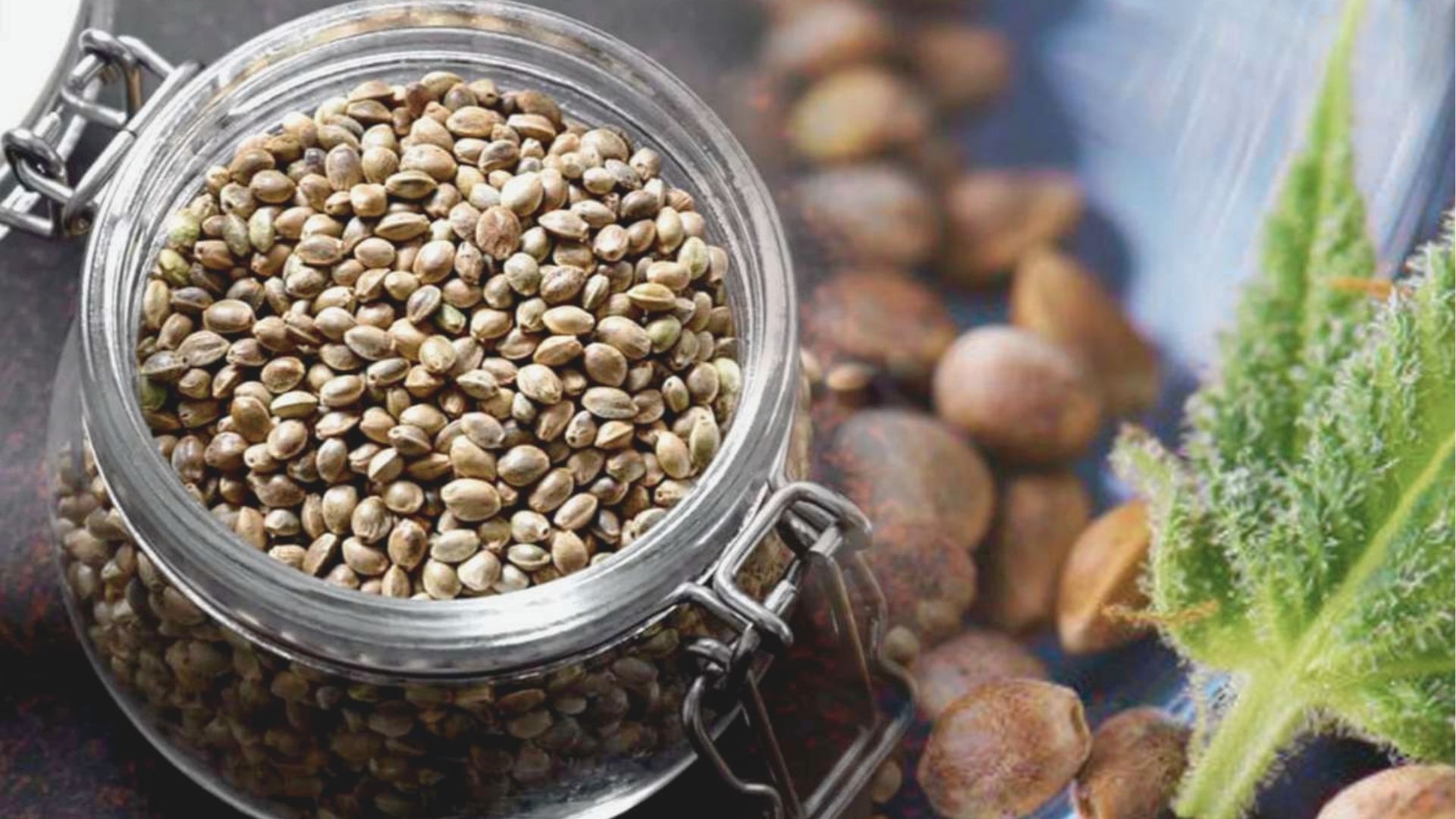
Storing cannabis seeds the right way can mean the difference between a healthy plant and a wasted seed. I’ve seen too many growers lose good genetics because of bad storage habits.
In this article, I’ll show you exactly how to keep your seeds alive and ready to grow. You’ll learn the best conditions, containers, and step-by-step methods for short and long-term storage.
We’ll also cover common mistakes and how to test if seeds are still viable. With over a decade of growing experience, this guide is built on real results, not guesswork.
Why Proper Cannabis Seed Storage Matters
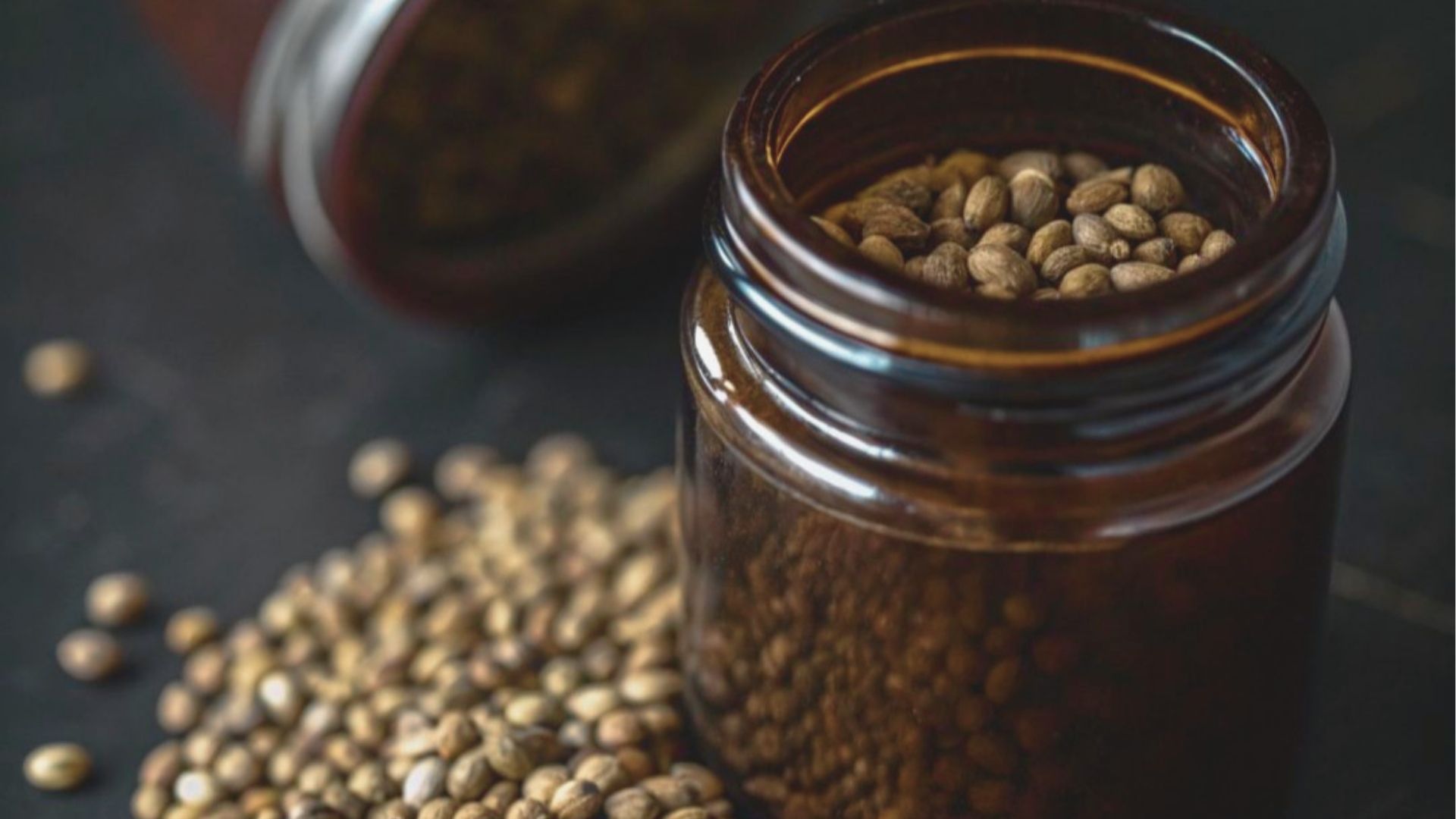
Storing seeds correctly protects your investment and keeps germination rates high for years to come.
Cannabis seeds are living organisms. Inside each one is a plant in a resting state called dormancy. Heat, moisture, and light can damage the embryo inside, making it impossible to germinate.
Bad storage kills seeds slowly. High temperatures drain their energy reserves. Moisture causes swelling, cracking, and mold. Even small humidity changes can cut germination rates by 50% or more within a single year.
Some genetics are rare and hard to replace. Breeders spend years developing certain strains. Good storage keeps those genetics safe for future grows.
Long-term storage also saves money. You won’t need to buy new seeds every season. Properly stored seeds can stay viable for 5 to 10 years, giving you a reliable backup whenever you need it.
Best Conditions for Storing Cannabis Seeds
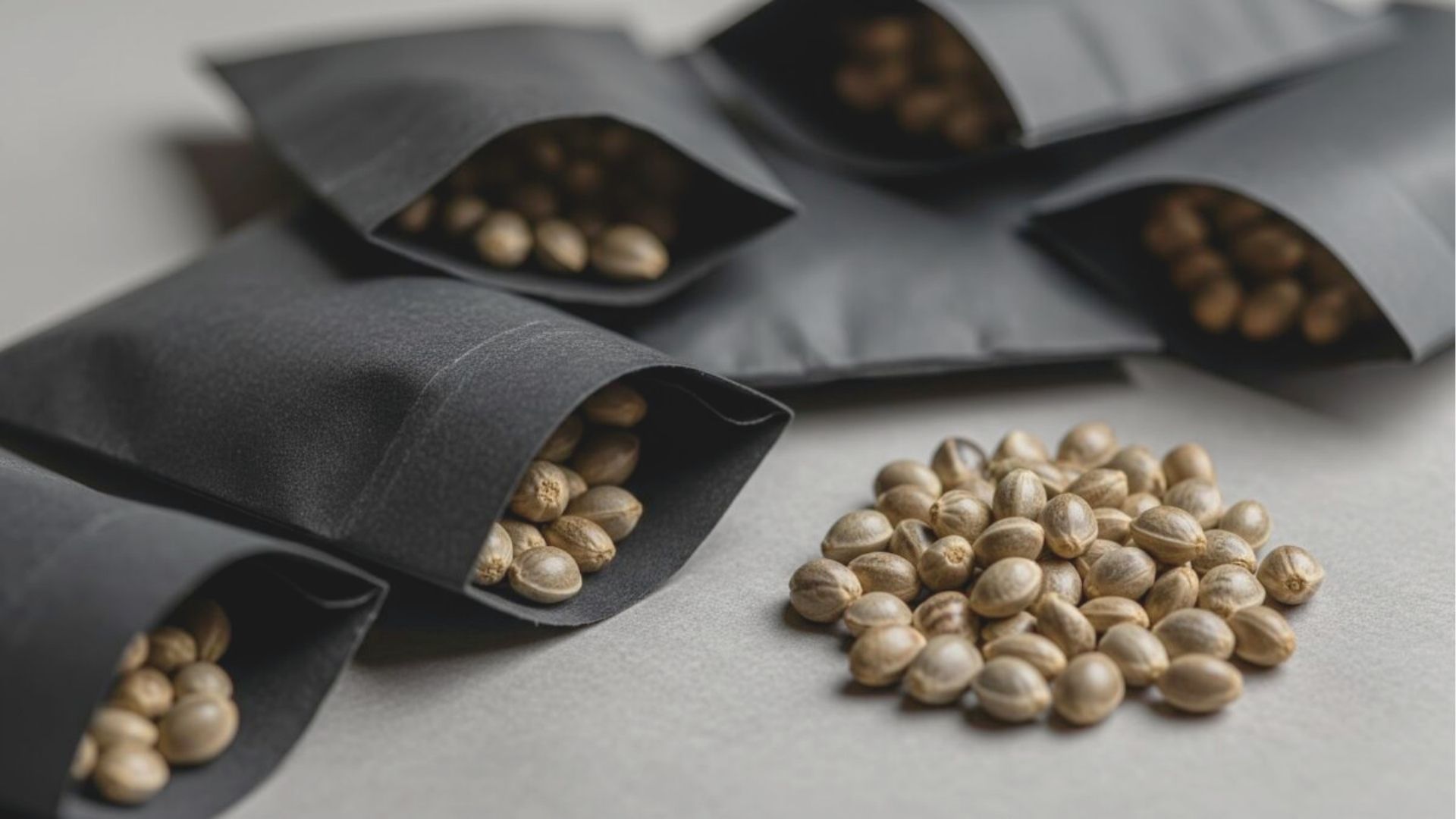
The right environment is the foundation of good seed storage. Get these four factors right first.
Ideal Temperature Range for Seed Storage
Keep seeds between 6°C and 8°C (42°F to 46°F). This slows metabolism without freezing them. Room temperature is too warm for long-term storage.
Even short heat spikes cause damage. A consistent refrigerator works best.
Safe Humidity Levels for Maximum Viability
Target relative humidity between 6% and 9%. Above 10%, seeds burn stored energy. Above 20%, they may sprout inside the container.
High moisture also breeds mold. Use a small hygrometer inside your container to monitor levels.
Why Seeds Must Be Kept Away From Light
Light signals seeds to grow. Without soil or water, that wastes their energy. UV light is especially damaging to the seed coat and embryo.
Always store seeds in a dark, closed space away from windows and artificial light.
Reducing Oxygen Exposure During Storage
Oxygen speeds up seed aging. An airtight container works for short-term storage. For long-term, vacuum sealing is better.
Add an oxygen absorber pack alongside silica gel for extra protection, just like professional seed banks do.
Best Containers for Cannabis Seed Storage
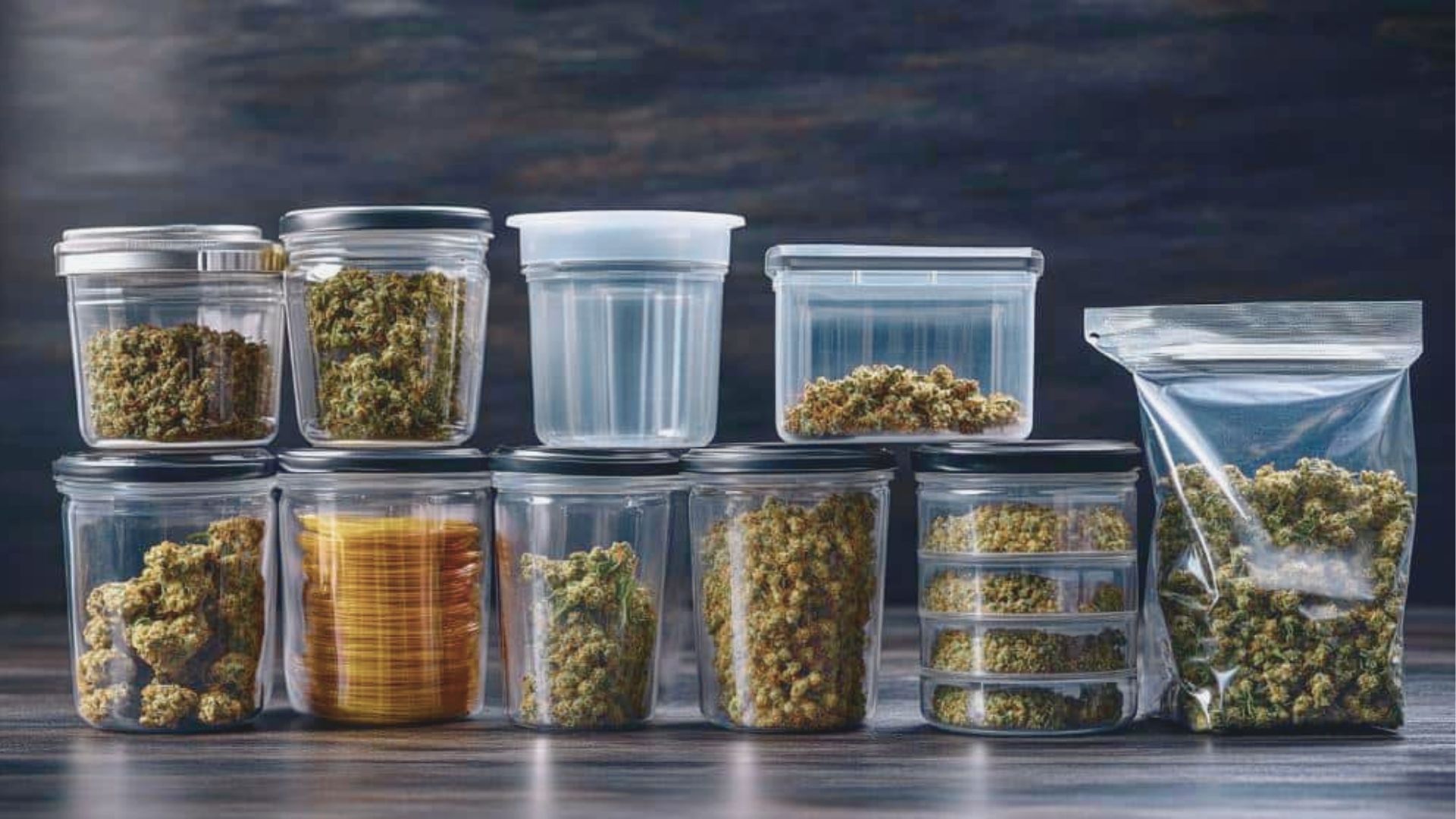
The container you choose plays a big role in how long your seeds survive.
Airtight Glass Containers vs Plastic Bags
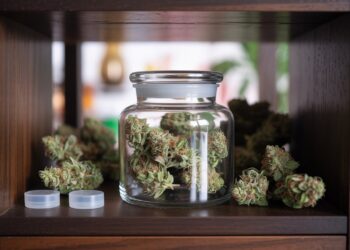
Glass is the better choice. It seals tightly, resists moisture, and releases no chemicals. Zip-lock bags let air and humidity through over time.
If you must use plastic, choose thick food-grade containers. Mason jars with rubber-sealed lids are a simple and reliable option.
When to Use Vacuum-Sealed Packaging
Vacuum sealing suits storage of six months or longer. It removes almost all air and cuts oxidation significantly.
A basic home vacuum sealer is worth the cost for larger collections. Avoid repeated opening and resealing as it lets in fresh air each time.
Using Silica Gel Packs Correctly
Use food-grade silica gel packs only. One 1-gram pack is enough for a small jar. Replace or recharge packs every 6 to 12 months by drying them on low oven heat.
Stick to one or two packs per container. Too many will over-dry your seeds and cause damage.
Why Dark or Opaque Containers Work Best
Amber glass jars block light and filter UV rays well. Dark tins and opaque plastic also work. If you only have a clear jar, wrap it in foil or store it inside a closed box.
It takes seconds and protects your seeds long-term.
How to Store Cannabis Seeds Short Term
Short-term storage is for seeds you plan to use within the next few weeks or months.
Best Storage Spots Inside Your Home
You don’t need special equipment. Good spots include a cool dark drawer, a medicine cabinet away from steam, a dry basement, or a dark shelf in a cool room.
Avoid kitchens, bathrooms, and spots near heat-producing appliances. A stable and dry location every day matters more than a perfect one.
How to Prevent Heat and Moisture Exposure
Keep seeds away from windows, heating vents, and radiators. Seal the container tightly after every use. Every time you open it, humidity gets in. Add a silica gel pack inside.
In humid climates, a small room dehumidifier helps keep conditions steady.
Tips for Seeds You Plan to Use Soon
For seeds you’ll use within one to four weeks, keep it simple. An airtight glass jar in a cool dark drawer is enough. No fridge or vacuum sealer needed.
Label the container with the strain name and date. Always make sure seeds are fully dry before sealing to prevent mold.
How to Store Cannabis Seeds Long Term
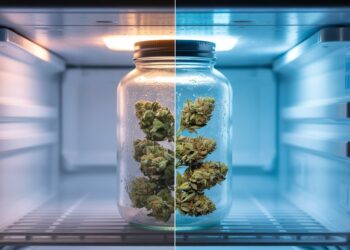
A refrigerator set between 6°C and 8°C is the best option for most home growers. Use an airtight container with silica gel packs inside. Keep seeds away from fruits and vegetables as they release ethylene gas, which ages seeds faster.
A no-frost fridge keeps temperatures more stable than a standard fridge. If you only have a standard fridge, store seeds at the back and avoid the door shelves.
For seeds you won’t use for 5 or more years, vacuum-seal them completely dry before freezing. Any moisture inside will expand and damage the embryo.
Done right, fridge-stored seeds can last 5 or more years. Frozen seeds can stay viable for 10 or more years.
Step-by-Step Guide to Storing Cannabis Seeds
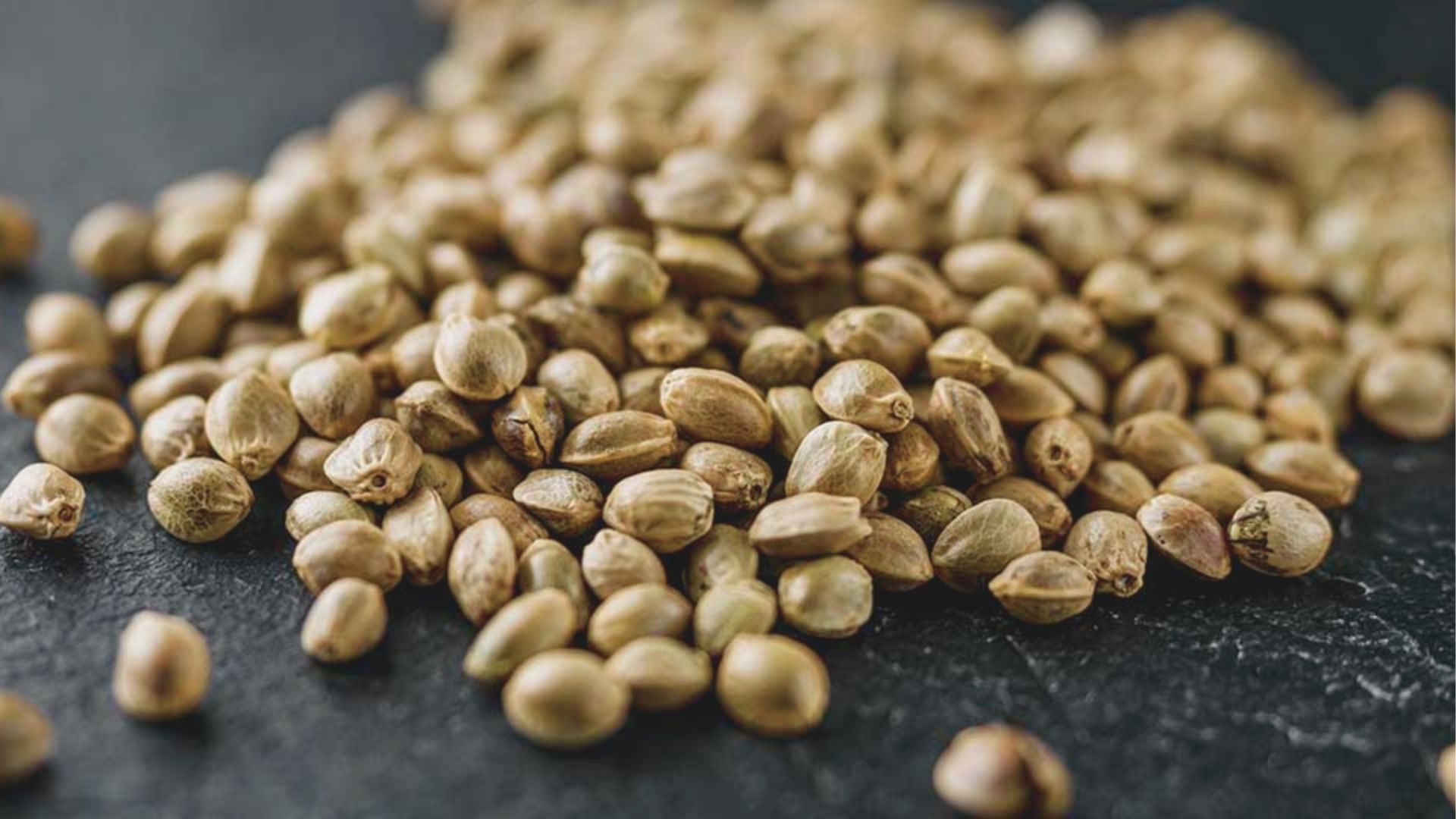
Follow these steps to store your seeds correctly every time.
Inspecting Seeds Before Storage
Before storing anything, look at each seed closely.
Healthy seeds for storage should be:
- Dark brown or tan with a slightly glossy coat
- Hard when pressed gently
- Free of cracks or holes
- Uniform in size and shape
Remove any seeds that look pale, green, white, or damaged. These seeds are unlikely to germinate and should not be mixed with your good seeds.
Immature seeds are pale or white. They haven’t finished developing and won’t survive storage or germination.
Preparing Containers and Moisture Packs
Choose a clean, dry glass container with an airtight lid. Wash it with warm water and let it dry completely before use.
Place one or two silica gel packs at the bottom of the container. These will absorb any residual moisture.
If you’re vacuum sealing, lay out your bags and have the sealer ready. Work quickly to minimize air exposure.
Label everything before you seal it. Once a bag is sealed, opening it to add a label defeats the purpose.
Sealing and Labeling Seed Packs
Good labeling saves a lot of confusion later.
Write the following on each pack:
- Strain name
- Date of storage
- Number of seeds
- Source or breeder (optional but helpful)
Use a waterproof marker or printed label. Ink can smear in a cold fridge.
Seal your container or bag tightly. Double-check that no air gaps are present. For vacuum bags, run the sealer twice to be sure.
Placing Seeds in the Right Environment
Now place your sealed container in your chosen storage spot.
For short-term storage, a cool dark drawer works.
For long-term storage, place the container in the back of your refrigerator. Keep it away from fruits, vegetables, and strong-smelling foods.
Do not move the container frequently. Every time it’s moved, it may be exposed to warmth, light, or humidity.
Set a reminder to check humidity levels inside the container every 3 to 6 months. Replace silica gel packs if they’ve absorbed too much moisture.
Common Mistakes That Ruin Cannabis Seeds
Avoid these five storage mistakes to keep your seeds healthy and ready to grow.
- Storing Seeds in Warm Areas: Heat above 20°C slowly kills seeds over time. Keep them away from shelves, kitchen cupboards, and desk drawers near computers.
- Exposure to Direct Light: Even indirect light breaks down seed quality over weeks and months. Always use dark or opaque containers stored in a closed, covered space.
- Excess Moisture and Humidity Problems: High humidity leads to mold, rot, and seeds trying to germinate too early. Check your silica gel packs regularly as they change color when full and need replacing.
- Overdrying Seeds With Too Much Silica Gel: Seeds need a little moisture to stay alive inside. Stick to one or two small packs per container, as too many packs can crack the shell and damage the embryo.
- Frequent Temperature Changes: Seeds stored near heaters or in constantly opened fridges suffer from repeated temperature swings. Pick one stable, cool spot and leave your seeds undisturbed as much as possible.
How to Check if Cannabis Seeds Are Still Viable
Before germinating old seeds, it’s worth checking if they’re still alive.
Healthy seeds are dark brown or grey, hard, slightly shiny, and plump. They often have tiger stripes or spots on the shell.
Damaged or dead seeds look pale, white, or green. They may feel soft, show cracks, or have visible mold. Tap one on a hard surface. A hollow sound is a bad sign.
To test viability, try the paper towel method. Dampen a paper towel, place seeds inside, fold it over, and keep it in a warm dark spot around 22°C to 25°C. Check daily for up to 10 days. If most seeds show a taproot within 5 to 7 days, they’re good to go.
Tips for Germinating Older Cannabis Seeds
Old seeds need a little extra help, but the right techniques can bring them back to life.
- Pre-soak seeds in room-temperature water for 12 to 24 hours before planting. This softens the shell and helps moisture reach the embryo inside.
- Scarify hard shells by lightly rubbing them with fine sandpaper a few times. Small scratches on the surface help water get through more easily.
- Soak seeds in a diluted hydrogen peroxide solution for 30 minutes before germinating. This removes surface bacteria and mold while softening the outer coat.
- Add a small amount of fulvic acid to your germination water for older seeds. It helps moisture and nutrients move through the seed coat faster.
- If no taproot appears after 10 to 14 days, the seeds are likely no longer usable. Hollow shells, crumbling coats, or visible mold are clear signs to move on.
Conclusion
I hope this guide helps you feel more confident about storing your cannabis seeds. I’ve made the mistake of losing good genetics from careless storage before, and I know how frustrating that feels.
But with the right setup, it’s easy to keep seeds healthy for years. Store them cool, keep them dry, and protect them from light. That’s really the heart of it.
If this post helped you, leave a comment below or share it with a fellow grower who needs it. I’d love to hear how your seeds turn out!
Frequently Asked Questions
How long can cannabis seeds last in storage?
With proper storage in a cool, dark, and dry place, seeds can stay viable for 5 to 10 years. A refrigerator with silica gel packs can extend this even further.
Can I store cannabis seeds at room temperature?
Yes, but only for a few weeks. Heat and humidity will reduce viability over time, so a cool, controlled spot is always better for longer storage.
Do I need a refrigerator to store cannabis seeds?
Not for short-term use. A cool, dark drawer with an airtight container and silica gel pack works fine for seeds you plan to plant within a few months.
How do I know if my cannabis seeds are still good?
Healthy seeds are dark brown, hard, and slightly shiny. Test them using the paper towel method. Most viable seeds show a taproot within 5 to 7 days.
Is it safe to freeze cannabis seeds?
Yes, if seeds are fully dry and vacuum-sealed first. But freezer temperature changes can cause stress. A refrigerator is a safer and easier option for most growers.