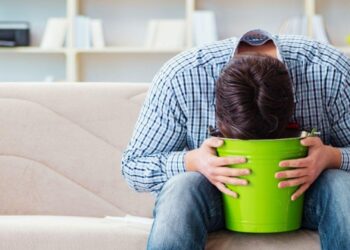
One moment you're fine. Next, your heart is racing and your mind is spinning out of control.
Cannabis anxiety hits fast. And it can feel like it will never stop.
I know that feeling personally. The panic, the confusion, the desperate need to know when it ends.
That's exactly what this blog is for. I'll walk you through how long does cannabis-induced anxiety last, what factors make it worse, and what actually helps.
Every answer here is simple, clear, and something you can trust completely. No overthinking. No complicated terms.
Stick with me and you'll leave with real answers and a solid plan.
What Is Cannabis-Induced Anxiety?
Cannabis-induced anxiety happens when THC overloads the parts of your brain that control fear and stress.
This is not the same as simply feeling high. Normal intoxication can feel calm or relaxed. Anxiety feels sharp and fast.
Common symptoms include a rapid heartbeat, chest tightness, panic attacks, intrusive thoughts, dizziness, and strong fear or paranoia.
THC binds to receptors in the amygdala, which is the brain's fear center. When those receptors get flooded, your nervous system kicks into high alert.
Higher THC potency and larger doses make this more likely to happen and much harder to shake off quickly.
How Long Does Cannabis-Induced Anxiety Last?
The answer depends on how you used it, but most people start to feel better within a few hours.
Smoking or Vaping Cannabis
Smoking or vaping cannabis starts within minutes, peaks in 30–90 minutes, and anxiety usually clears within 2–4 hours.
- Symptoms start within minutes
- Effects peak between 30 and 90 minutes
- Anxiety usually clears up within 2 to 4 hours
Anxiety From Edibles
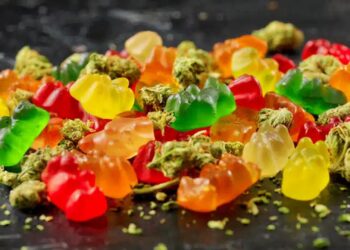
Edibles take longer to kick in, but when they do, the effects hit harder and the anxiety can stick around much longer than you'd expect.
- Onset is delayed by 30 to 120 minutes
- Effects are stronger and hit harder
- Symptoms can continue for 6 to 12 hours
Lingering Symptoms After the High
Some people feel off even after the main high fades. This can include:
- Mild anxiety
- Brain fog
- Sleep disruption
- Symptoms lasting up to 24 to 48 hours in sensitive people
Factors That Affect How Long Cannabis Anxiety Lasts
Several things can make anxiety from cannabis shorter or much longer than expected.
THC Potency and Dosage
Higher THC levels and larger doses make anxiety more intense and longer-lasting. Strong strains and high-dose edibles can keep symptoms going for several hours.
Without CBD to balance the THC, effects hit harder and take longer to fade.
Lower-potency products usually cause milder, shorter-lasting anxiety that clears up faster.
Method of Consumption
Smoking or vaping causes faster onset, so anxiety usually peaks and fades within a few hours. Edibles work differently.
They take 30 minutes to 2 hours to kick in, but the effects are stronger and last much longer.
Some people feel anxious for 6 to 12 hours after eating an edible, especially with a high dose.
Personal Tolerance and Mental Health
People who rarely use cannabis tend to feel its effects much more strongly. If you already deal with anxiety or other mental health challenges, cannabis can make those feelings worse.
Your brain reacts more intensely when it is already in a heightened state.
This makes symptoms last longer and harder to manage compared to someone with regular tolerance.
Environment, Stress, and Sleep
Using cannabis when you are already stressed, in an unfamiliar place, or running on little sleep can make anxiety much worse.
Your brain is already on edge, so THC pushes it further. A calm, familiar setting and being well-rested gives your nervous system a better chance of staying steady.
Sleep deprivation alone can extend how long anxiety hangs around.
How to Calm Cannabis-Induced Anxiety
Cannabis-induced anxiety is temporary, and these simple steps can help you feel better faster.
- Move to a quiet, familiar space and sit down until the feeling passes.
- Breathe slowly and focus on each inhale and exhale to bring your heart rate down.
- Drink cold water or eat something light like crackers or fruit to feel more grounded.
- Skip caffeine since it will only make your heart race more.
- Try grounding yourself by naming five things you can see or feel around you.
These small steps make a real difference. You will feel like yourself again sooner than you think.
Can Cannabis-Induced Anxiety Be Prevented?
Yes, it can, and it starts with being smart about how you use cannabis. Start with a low dose, especially with edibles.
Choose products with balanced THC and CBD levels. Avoid using cannabis when you are already stressed, tired, or in a new setting.
Know your tolerance before trying something stronger. If you are new to it, go slow. Wait to feel the full effect before taking more.
Staying hydrated, being in a space where you feel comfortable, and using it with people you trust all lower the risk. Prevention comes down to pace and self-awareness.
Conclusion
I know how scary it feels when cannabis anxiety hits and you have no idea when it will stop.
I've been there, heart racing, mind spinning, just waiting for it to pass. And it always does.
Knowing how long does cannabis-induced anxiety last and what makes it worse puts you back in control.Start low. Go slow. Make smart choices.
If this helped you, drop a comment below or share it with someone who needs to read this.
Frequently Asked Questions
How long does cannabis-induced anxiety last for first-time users?
First-time users may feel anxiety for 2 to 6 hours, depending on the dose and how they used it.
Can drinking water help with cannabis anxiety?
Yes, sipping cold water can help you feel more grounded and slightly ease anxiety symptoms.
Do edibles cause longer-lasting anxiety than smoking?
Yes, edibles take longer to kick in and can cause anxiety that lasts anywhere from 6 to 12 hours.
Can CBD help reduce cannabis-induced anxiety?
CBD can soften the effects of THC and may help calm anxiety when taken during or after cannabis use.
Is cannabis-induced anxiety dangerous?
It is not usually dangerous, but it can feel very intense. It typically fades on its own without medical treatment.