
I used to think the same thing everyone else does. Water filters the smoke, so it must be cleaner. Right?
That assumption stuck with me for a long time. Then I started looking at what the smoke actually does inside your body, and things got a lot more interesting.
The question are bongs healthier than joints sounds simple. But the answer is anything but.
Many discussions around are bongs healthier than joints focus on how hits feel, not what they actually do to your lungs. I want to change that.
This post breaks down the real differences: toxins, lung impact, smoke exposure, and what actually matters for your health.
What Determines Whether a Smoking Method Is More Harmful?
The biggest issue with any smoking method is combustion. When plant material burns, it creates thousands of chemicals. Many of those are harmful to your lungs and airways.
Smoke temperature plays a role too. Hotter smoke irritates your throat and airway lining more. Cooler smoke feels gentler, but it still carries the same toxins.
Inhalation depth matters just as much. The deeper you breathe in, the longer smoke stays in contact with your lung tissue. That means more exposure to harmful particles.
Smoother smoke can actually be misleading. It feels less harsh, but your body is still absorbing the same combustion byproducts. Comfort and safety are two very different things.
How Bongs and Joints Affect the Body Differently
Both bongs and joints burn the same plant material, so they share many of the same risks. But the way smoke is filtered and how you inhale does create some real differences.
| Factor | Bong | Joint |
|---|---|---|
| Smoke temperature | Cooler (water-filtered) | Hotter, more direct |
| Filtration | Partial (water removes some particles) | None |
| Inhalation depth | Often deeper | Usually shallower |
| Throat irritation | Less immediate | More noticeable |
| Session length | Often shorter (fewer hits needed) | Can stretch longer |
| Additive exposure | Lower | Rolling paper chemicals present |
Are Bongs Healthier Than Joints for Your Lungs?
So, are bongs healthier than joints when it comes to your lungs?
The short answer is: not really. Bongs do cool and partially filter smoke, which can ease throat irritation. But that does not mean your lungs are getting a clean hit.
With bongs, people often inhale more deeply and hold the smoke in longer. This pushes smoke further into lung tissue. That actually increases the time your lungs are exposed to fine particles.
Joints irritate the throat more right away. The smoke is hotter and more direct. But most people take smaller, shallower hits compared to bong users.
Both methods still force combustion smoke deep into your lungs. The difference is mostly about how the irritation feels, not whether damage is happening.
What Harmful Substances Are Still Present?
No matter which method you use, combustion creates harmful substances. Bong water does not change that basic fact.
Tar builds up in your lungs over time with either method. Bong water catches some tar, but a large portion still passes through. Your lungs absorb what the water misses.
Carbon monoxide is released every time plant material burns. It gets into your bloodstream and reduces oxygen levels. Bong water does not filter this out at all.
Fine particles and carcinogens are present in every smoke session. These particles get deep into lung tissue. Water filtration only removes a portion of them, never all.
Hidden Risks People Often Ignore

Dirty bong water is a real problem. Bacteria and mold grow fast in standing water. If you are not cleaning your bong regularly, you are inhaling more than just smoke.
Rolling papers carry their own risks too. Many contain bleach, chlorine, or added chemicals. When burned, those chemicals go straight into your lungs along with the smoke.
Flavored wraps are even more concerning. The added sugars and flavorings produce extra harmful byproducts when they burn. Most people don't stop to think about this.
Bongs also make it easy to overdo it. The hit feels smoother, so you take more of them. More hits mean more smoke in your lungs, which cancels out any mild benefit the water might offer.
What Research Says About Bongs vs Joints
Scientific research on this topic is still limited, partly due to long-standing legal restrictions around cannabis studies.
But the available data points in one consistent direction: smoother does not mean healthier.
| Claim | What Research Shows |
| Bong water filters all toxins | False. Many still pass through |
| Cooler smoke is safer | No strong evidence supports this |
| Bongs reduce cancer risk | Not supported by current research |
| Joints are always worse for lungs | Mixed results, inhalation depth matters more |
| Smoother smoke equals healthier | False. Comfort and health are not the same |
Are There Safer Alternatives to Smoking?
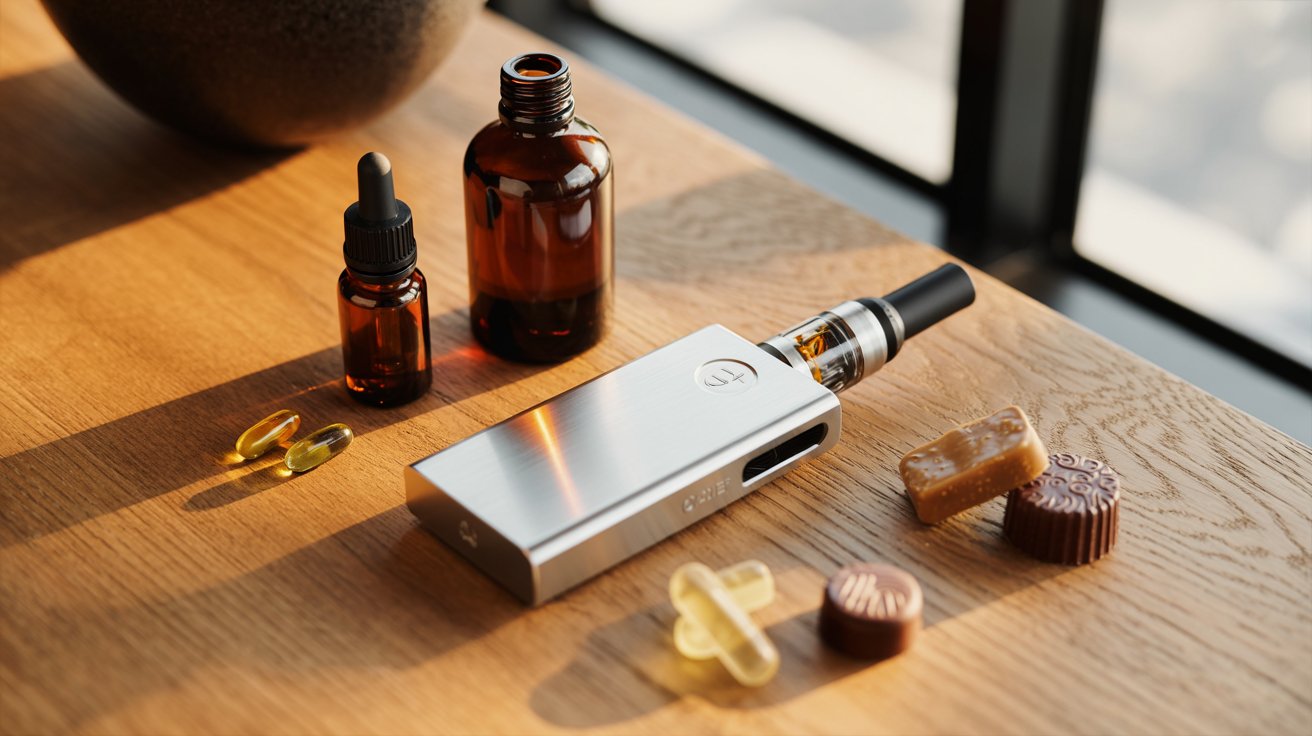
If cutting down on harm is your goal, the best step is to move away from combustion entirely.
Burning any plant material and inhaling it carries risk. There are alternatives worth knowing about.
- Vaporizers: These heat cannabis without burning it. You inhale vapor instead of smoke, which means fewer combustion byproducts reach your lungs.
- Edibles: No smoke involved at all. Effects take longer to kick in but last much longer. A solid option if lung health is your main concern.
- Tinctures: These are liquid cannabis extracts placed under the tongue or mixed into food. They work relatively fast and involve no smoke at all.
- Capsules: Similar to edibles in effect. Easy to dose consistently and completely smoke-free.
None of these options are without their own things to think about. But removing combustion from the process does reduce the stress placed on your lungs in a meaningful way.
Bong vs Joint: Which Makes More Sense for You?
This comes down to what matters most to you personally. Both have real trade-offs, and neither wins on health grounds. Here's a straightforward comparison.
| Factor | Bong | Joint |
| Convenience | Requires setup and regular cleaning | Easy to carry and use anywhere |
| Harshness | Smoother on throat | More immediate irritation |
| Maintenance | Needs frequent cleaning | No maintenance needed |
| Smoke intake per session | Often higher per hit | Usually lower per hit |
| Portability | Less portable | Highly portable |
| Additive risk | Lower | Present from rolling papers |
If portability and simplicity matter, joints are easier. If you prefer a cooler hit and don't mind the upkeep, a bong fits that preference better. Just know that neither choice is the "healthy" one.
Conclusion
At the end of the day, are bongs healthier than joints is not really the right question.
The better question is: how do I reduce the harm? Both methods have real costs to your health. The method that feels easier on your throat is not necessarily easier on your body.
You deserve clear information, not just popular opinion.
So tell me:are you thinking about making a switch or cutting back?
Drop your thoughts in the comments. And if this helped, share it with someone who's been asking the same question.
Frequently Asked Questions
Are Bongs Healthier Than Joints for Regular Smokers?
Not significantly. Both expose your lungs to harmful combustion byproducts. Bongs may feel smoother, but that does not translate to less damage over time.
Does Bong Water Filter Harmful Chemicals?
It filters some tar and fine particles, but many toxins like carbon monoxide still pass through completely. Bong water is not a full or reliable filter.
Why Do Bong Hits Feel Smoother Than Joints?
The water cools the smoke before it reaches your throat. Cooler smoke feels less harsh, but it still carries the same harmful substances as any combustion-based smoke.
Are Rolling Papers Harmful to Inhale?
Many rolling papers contain bleach, dyes, or added chemicals. When burned, these release byproducts that you end up inhaling along with the cannabis smoke.
What Is the Least Harmful Way to Consume Cannabis?
Non-combustion methods like vaporizers, edibles, or tinctures are generally considered less harmful because they avoid the byproducts that come from burning plant material.