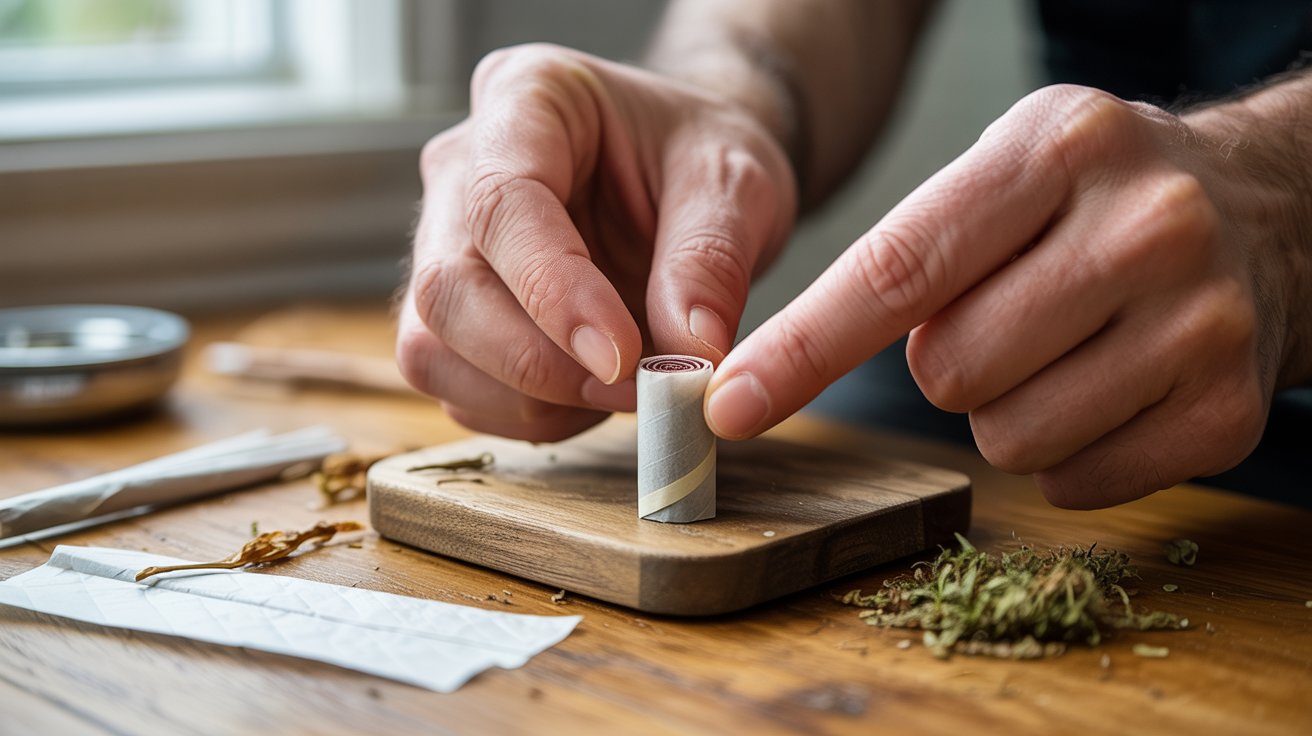
I never thought a tiny rolled-up piece of cardstock could make such a big difference. Then I started using filters and wondered how I ever rolled without them.
The first time I figured out how to make a filter for a joint using just a torn business card, something clicked. The joint held its shape. Nothing fell into my mouth. The whole experience felt cleaner and easier to manage.
Most people assume you need special materials or store-bought tips. You really do not.
Knowing how to make a filter for a joint at home opens up something simple but genuinely useful. This guide shows you exactly what works and what to avoid.
Why Joint Filters Matter

A filter gives your joint a solid base. Without one, the end collapses and your roll loses its shape before you even light it.
It also protects your fingers and lips from heat. As the joint burns down, a filter creates distance so you can smoke it all the way without discomfort.
Loose bits of cannabis in your mouth are another problem filters fix. The filter acts as a stop that keeps everything where it belongs.
For beginners, a filter also makes rolling easier. It gives you something firm to shape the joint around, leading to a cleaner roll every time.
How to Make a Filter for a Joint (5 Easy Techniques)
Most of these methods take under two minutes. The one you pick depends on what materials you have and what kind of draw you prefer.
1. Make a Classic Cardboard Filter
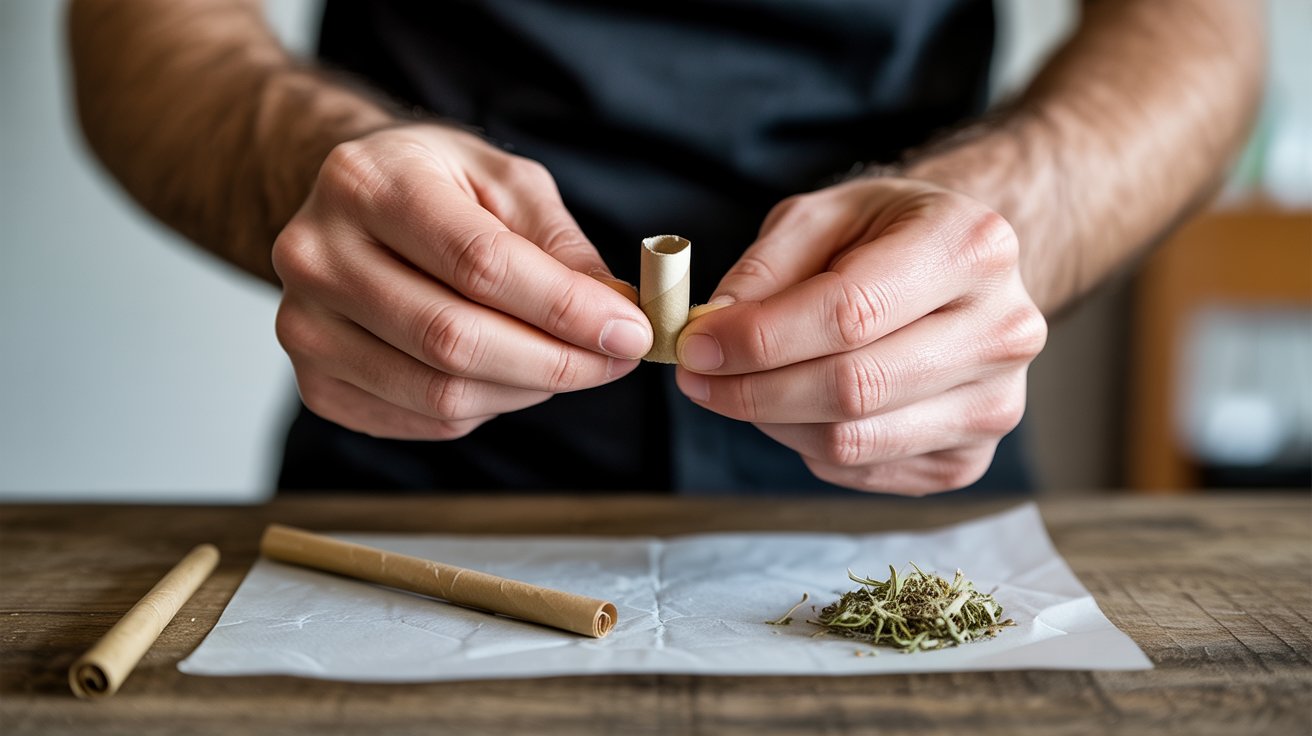
Business cards, index cards, or plain rolling tips work best here. Avoid anything glossy or printed with heavy ink.
Cut a small strip about the width of your joint. Fold a few small accordion folds at one end, then roll the rest of the strip around those folds. The accordion section keeps the airway open.
Roll it firm enough to hold its shape, but loose enough to blow air through easily. If you have to force air through, it is too tight.
2. Use Thick Paper at Home
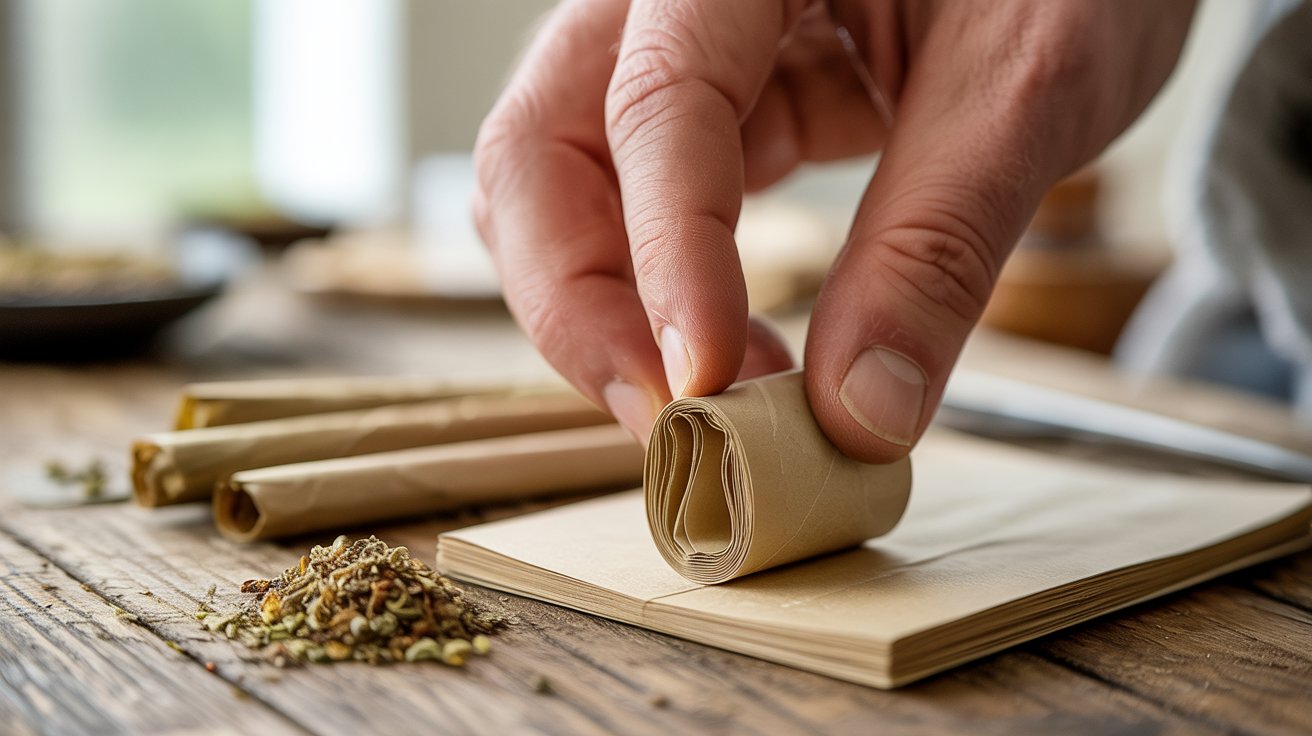
Notebook covers, cereal box cardboard, or notepad backing all work. The key is uncoated paper.
Cut a strip roughly 2cm wide and 5 to 6cm long, then fold and roll it the same way as a cardstock filter. If the paper bends too easily, double it over for more structure.
Never use receipts, waxed paper, or anything plastic-coated. These release harmful chemicals when heated.
3. Create a Spiral or "W" Filter
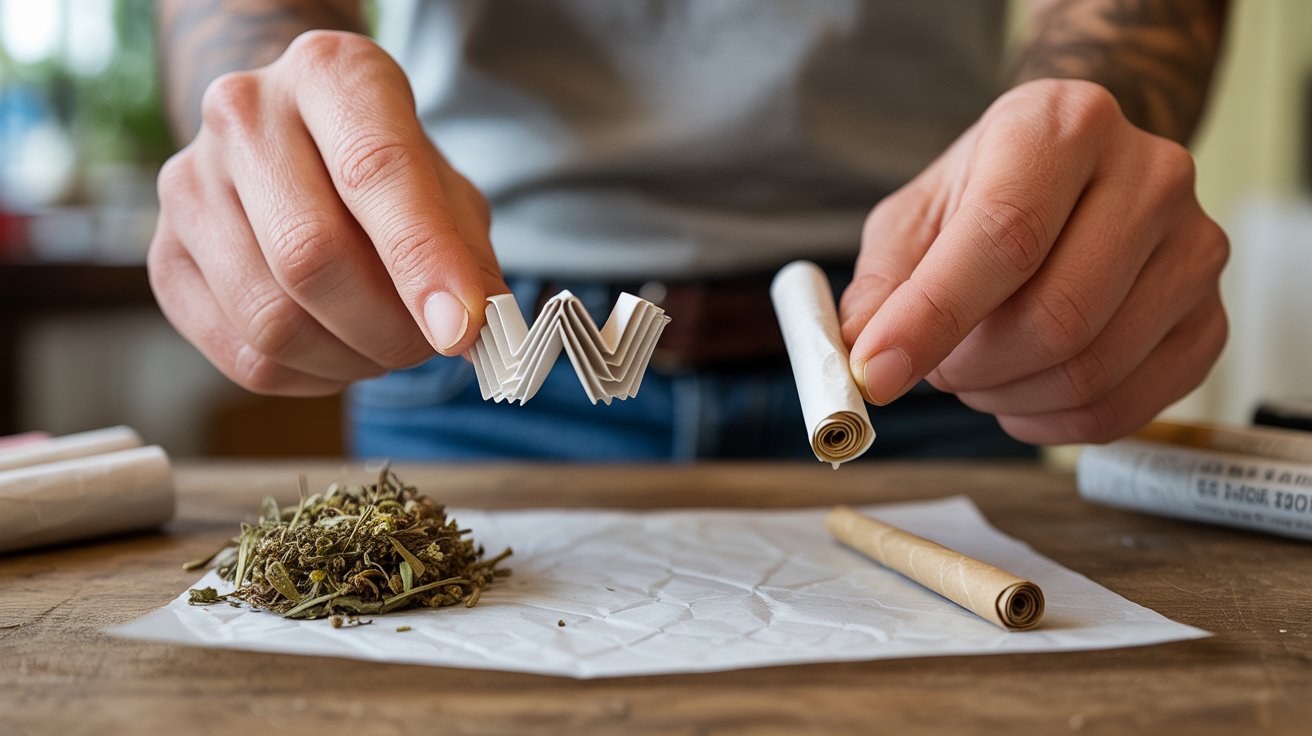
The W-style is the most popular shape. Fold the strip in a tight zigzag three or four times, then roll the remaining paper around it. The zigzag keeps a natural airway open under pressure.
The spiral is simpler. Just roll the strip into a tight coil with no folds. It works well but compresses more easily than the W-style.
Beginners do well starting with the spiral. The W-style gives better airflow once you get comfortable.
4. Make a Filter Using Natural Materials
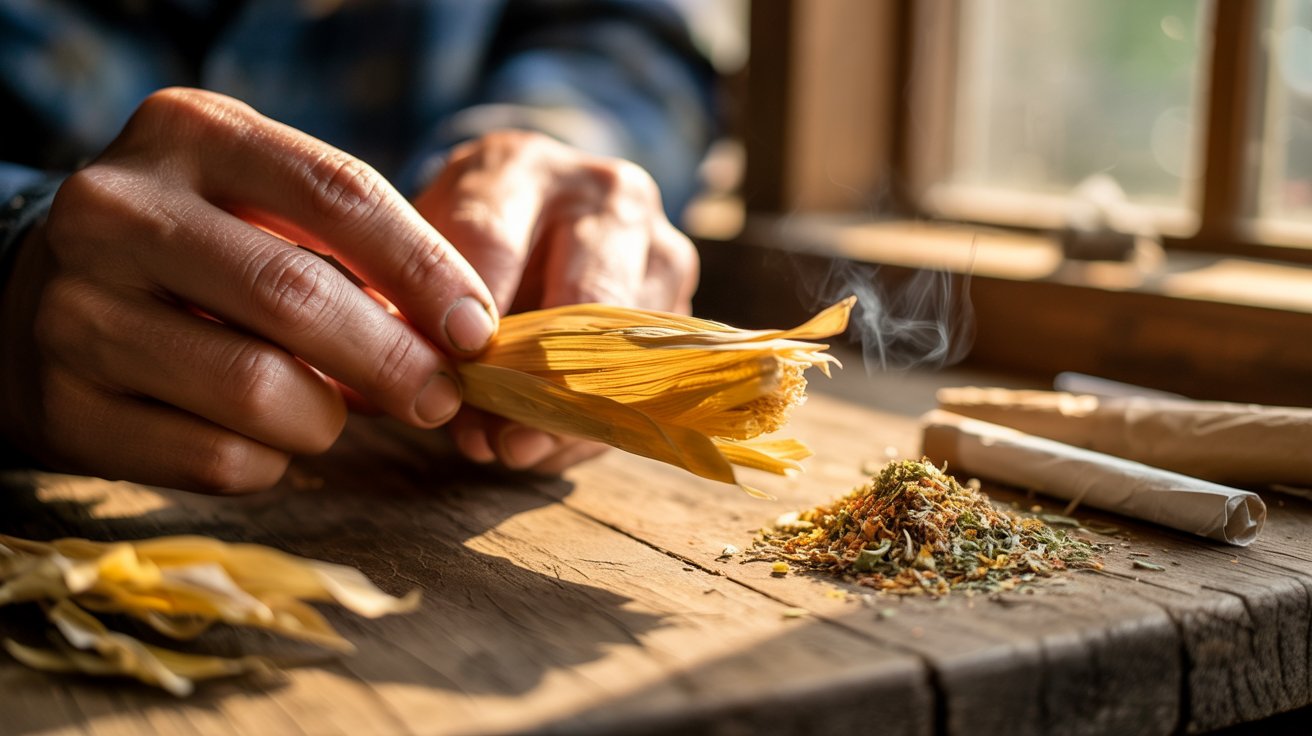
Corn husk is a traditional option that burns cleanly and is easy to find. Untreated cardstock made from natural fibers is another solid choice.
Natural filters need to be dry and firm before rolling. Anything damp will compress and block airflow.
Some natural materials have a faint taste on the first few hits. It usually fades quickly, but worth knowing beforehand.
5. DIY Reusable Filter Options
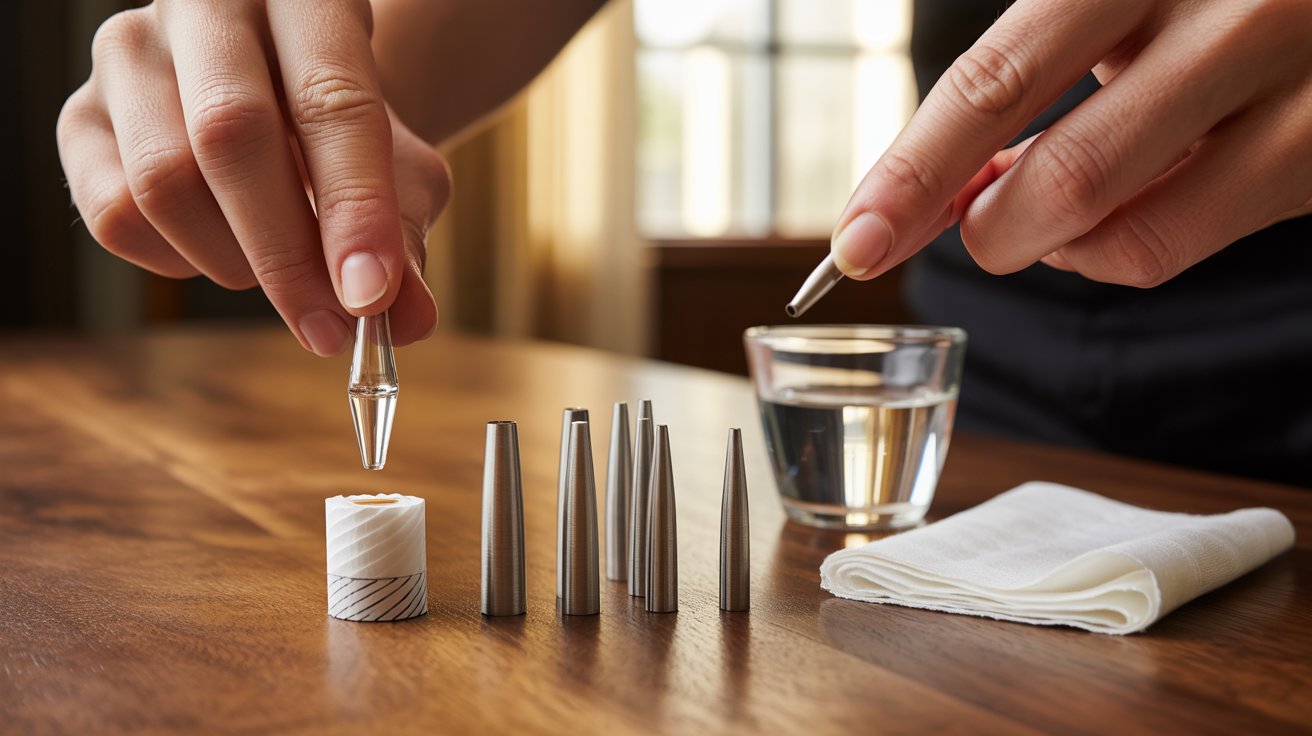
Glass tips are the top reusable choice. They do not absorb flavor, clean easily, and last a long time. Just slip one into the end before rolling.
Metal tips are more durable for travel. They can warm up during a long session but most people find them comfortable enough.
To clean either type, soak in isopropyl alcohol, rinse well, and let dry fully before reuse.
Best Materials to Use for Homemade Joint Filters
Stick to clean, uncoated, untreated materials. Using the wrong thing means inhaling chemicals you do not want near your lungs.
Safe Materials
When figuring out how to make a filter for a joint at home, these are your safest options.
- Uncoated cardstock from plain packaging or index cards
- Rolling tip cards included with some paper brands
- Thick plain paper with no printing or coating
- Raw filter tips from most smoke shops
Each of these holds shape well, allows good airflow, and burns cleanly if they catch heat.
Materials You Should Avoid
Some materials look usable but should never go near a joint filter.
- Glossy paper or magazine pages coated with dyes and chemicals
- Ink-heavy cardboard with dark or metallic printing
- Plastic-coated materials that release toxic fumes when heated
- Receipts and chemically treated paper
If you are unsure whether something is safe, do not use it. Plain and uncoated is always the right call.
Step-by-Step Tips to Roll a Better Filter
Technique matters just as much as material. A poorly rolled filter ruins an otherwise good joint.
Step 1: Choose the Right Size
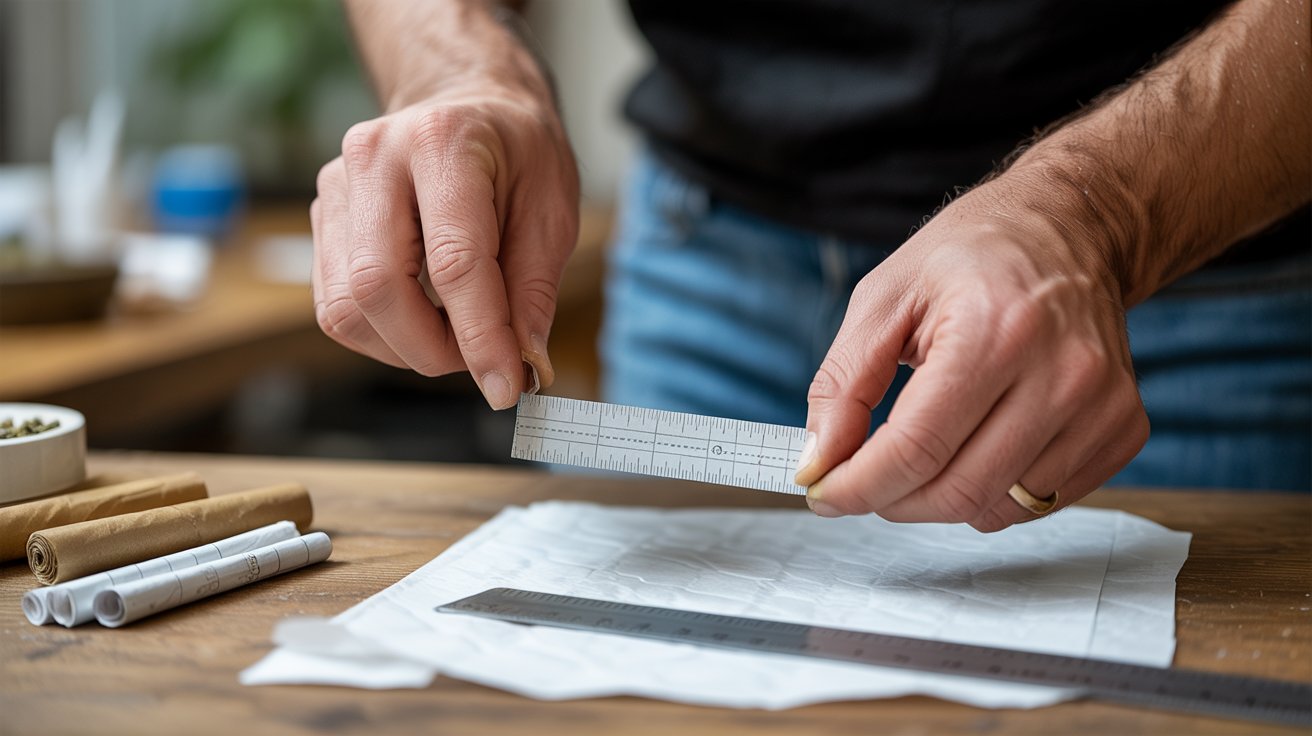
The filter width should match your joint width. Too narrow and it shifts around. Too wide and it distorts the roll.
For a standard joint, a 2cm wide strip works well. King-size joints need a slightly wider strip.
Step 2: Keep the Shape Consistent
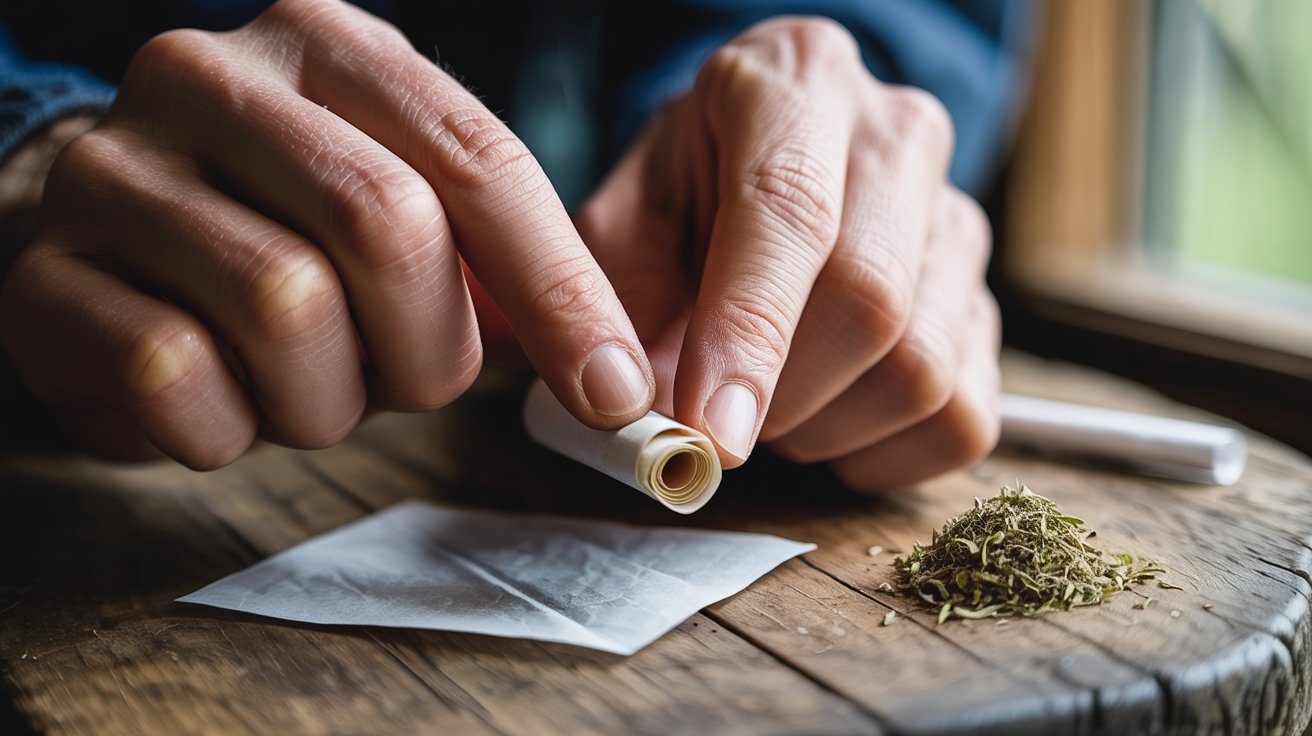
An uneven filter throws off the entire joint. If one side is tighter than the other, airflow gets disrupted and rolling becomes harder.
Roll slowly with even pressure on both ends. Check both sides before locking the shape in.
Step 3: Avoid Rolling Too Tight
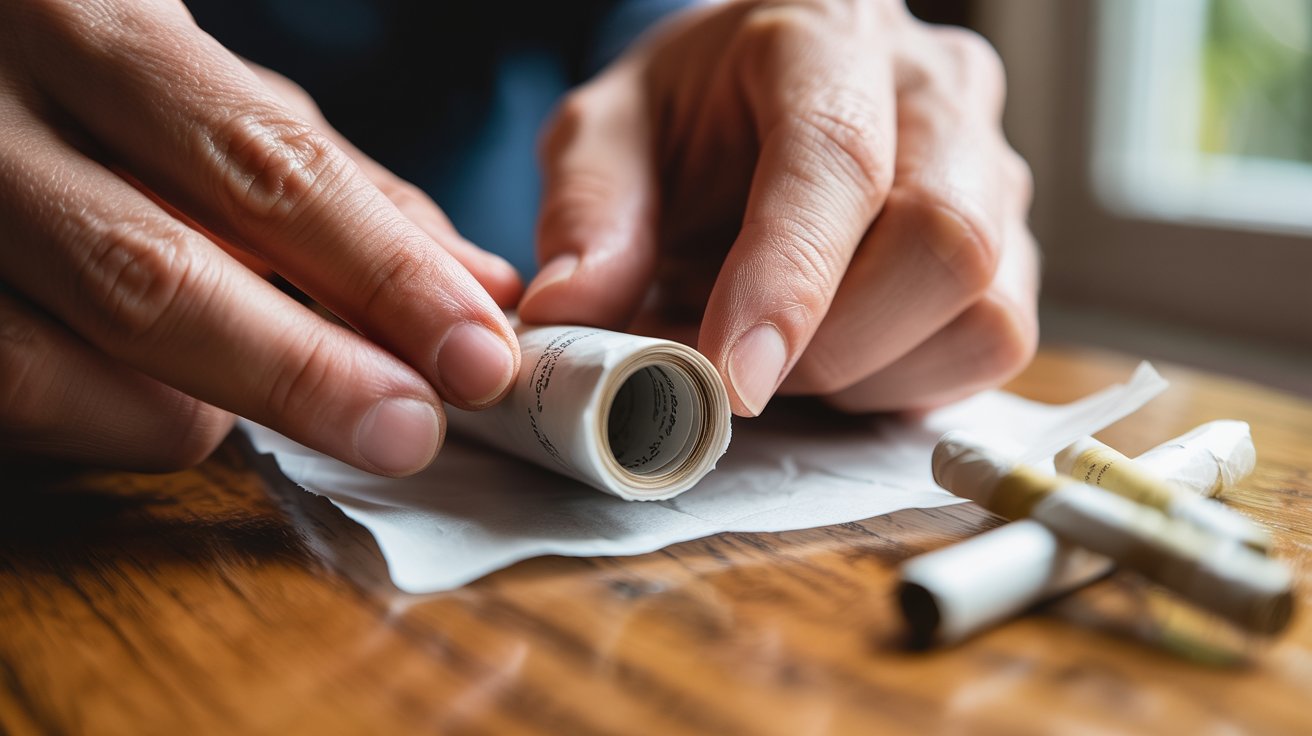
A filter that is too tight kills airflow. You end up pulling hard for very little smoke.
Always blow through the filter before putting it in the joint. If air moves freely, it is ready. If not, loosen it slightly.
Step 4: Match the Filter to the Joint Size
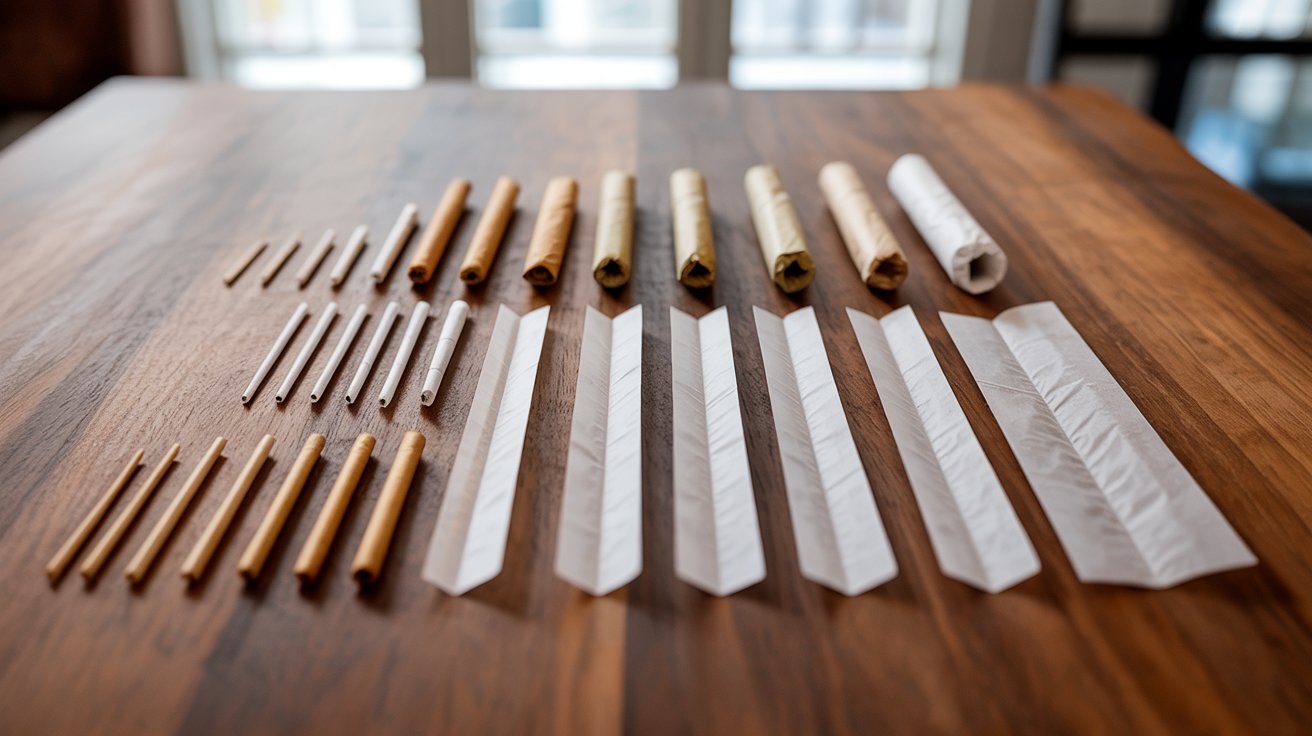
Thin joints need smaller, tighter filters. King-size joints need wider ones with more structure.
Mismatching the two leads to uneven burns or a joint that falls apart near the base.
Are Homemade Joint Filters Safe?
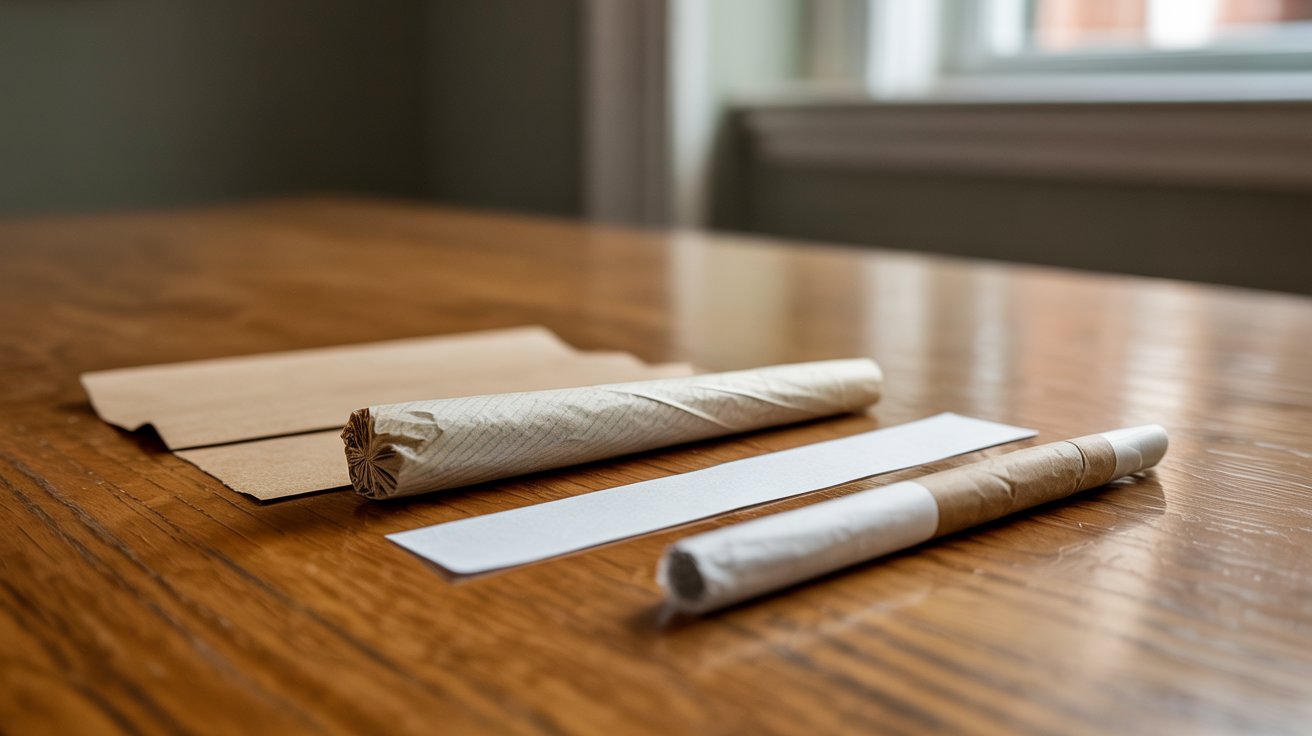
Yes, when you use the right materials. Plain, uncoated cardstock does not release harmful substances under normal smoking conditions. The filter rarely catches direct heat anyway.
The risk comes from coated or treated materials. Glossy paper and receipts contain compounds that can release toxic fumes when hot.
Untreated paper is always the standard to aim for. If the material has any shine, heavy printing, or unknown coating, skip it.
A well-made homemade filter performs very close to a store-bought tip. Pre-made options offer more consistency, but careful DIY technique closes that gap quickly.
Homemade Filters vs Pre-Made Rolling Tips
Both get the job done, but they each come with real trade-offs worth knowing before you choose.
| Factor | Homemade Filter | Pre-Made Rolling Tip |
|---|---|---|
| Cost | Free or near-free | Small ongoing cost |
| Convenience | Needs materials and time | Ready to use instantly |
| Airflow | Depends on technique | Consistent |
| Safety | Safe with right materials | Designed for safe use |
| Availability | Uses household items | Requires a shop visit |
Common Mistakes People Make When Making Joint Filters
A few habits cause most filter problems. Knowing them upfront saves you the frustration of fixing them mid-session.
- Rolling too tight and cutting off airflow completely
- Using glossy or coated paper that is not safe to smoke through
- Cutting the strip too narrow, causing it to collapse under pressure
- Skipping the airflow test before putting the filter in
- Making the filter too short, leaving it sitting too deep in the roll
- Using damp or soft materials that compress immediately
Slow down, check your materials, and always test before rolling. Those three habits alone fix most problems before they start.
Conclusion
Here is what I know after rolling with and without filters. The difference is not small. It changes the entire experience.
Knowing how to make a filter for a joint is one of those skills that sounds minor until you actually use it. Then it just becomes part of how you roll.
You do not need a shop run or special tools. You just need a little practice and the right materials.
So try it tonight. Roll one with a homemade filter and see how it feels.
Have a method that works well for you? Share it in the comments below.
Frequently Asked Questions
What Can I Use if I Don't Have Joint Filters?
Plain cardstock, thick index cards, or uncoated notepad backing all work well. Cut a strip, fold and roll it, and you have a working filter in under a minute.
How Do You Make a Joint Filter at Home Quickly?
Cut a 2cm wide strip of uncoated cardstock, fold a small accordion section at one end, then roll the rest around it. The whole process takes about 60 seconds once you have done it a few times.
Are Cardboard Joint Filters Safe?
Plain, uncoated cardboard is generally safe. Avoid glossy, heavily printed, or treated cardboard, as those can release harmful compounds when heated.
Which Joint Filter Shape Works Best?
The W-fold gives the most consistent airflow because the zigzag keeps the center open under pressure. The spiral is easier for beginners but compresses more easily during smoking.
Can Reusable Filters Improve Airflow?
Glass and metal tips have a fixed opening that does not compress like paper filters. They provide more consistent airflow across an entire session.