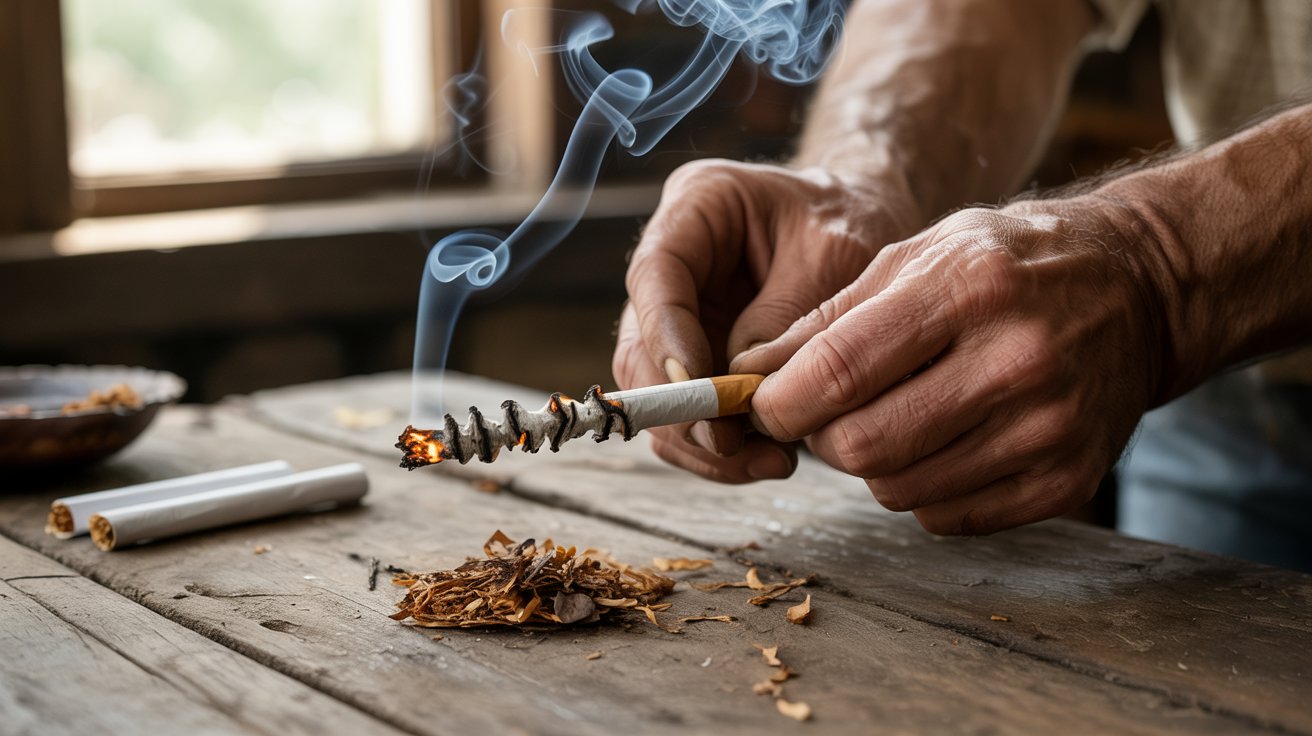
I used to think canoeing was just bad luck. Roll after roll, one side would burn ahead and there was nothing I could do about it. I just accepted it as part of smoking.
Then I started paying attention to what was actually happening, and everything made sense.
Canoeing is not random. It has causes, and once you know them, it is almost always preventable.
Knowing how to stop canoeing joint from ruining your session is not about rolling perfectly every time. It is about understanding a few small habits that most people never think to change.
This post shows you exactly what those habits are and how to fix them fast.
What Does It Mean When a Joint Canoes?
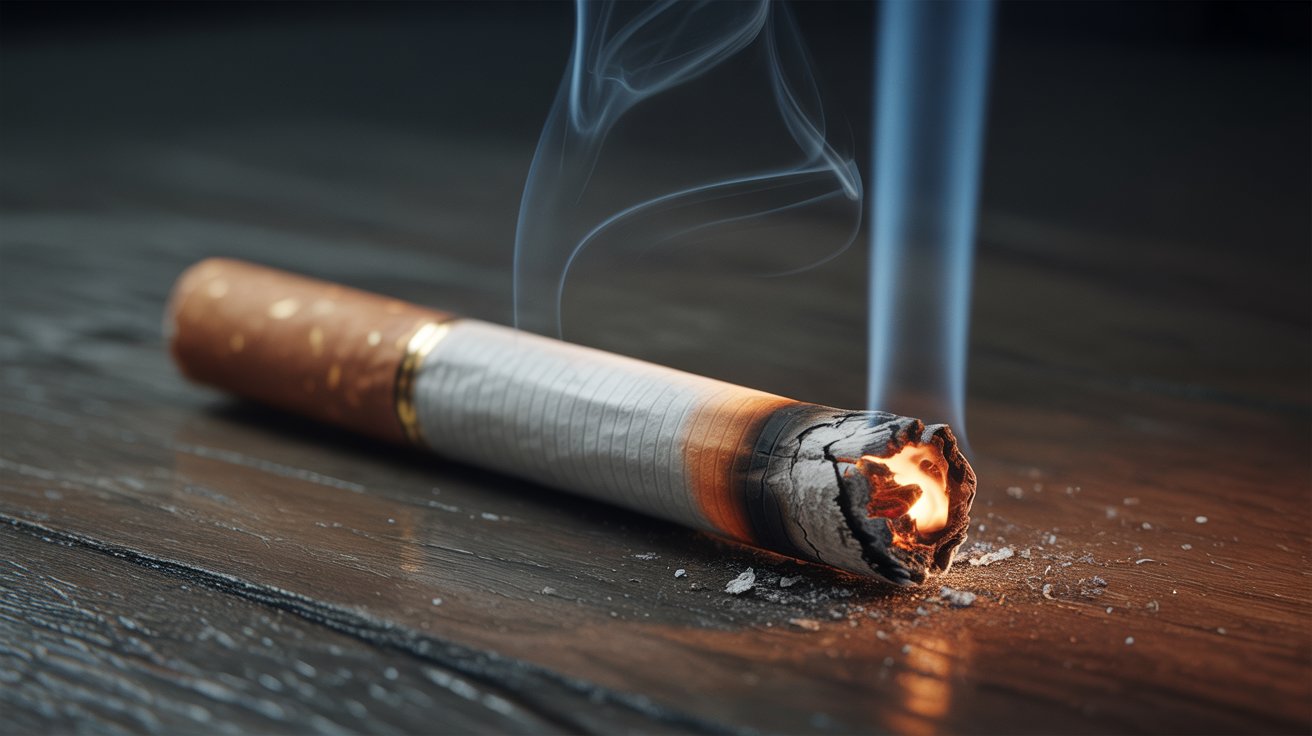
Canoeing, sometimes called running, is when one side of a joint burns faster than the other.
Instead of a clean, round cherry moving evenly down the joint, you get an uneven burn that resembles the shape of a canoe.
The faster side keeps going while the slower side lags behind. That gap widens quickly if you do not catch it early.
This wastes cannabis, disrupts airflow, and changes the flavor. The longer you ignore it, the worse it gets.
Why Joints Canoe in the First Place
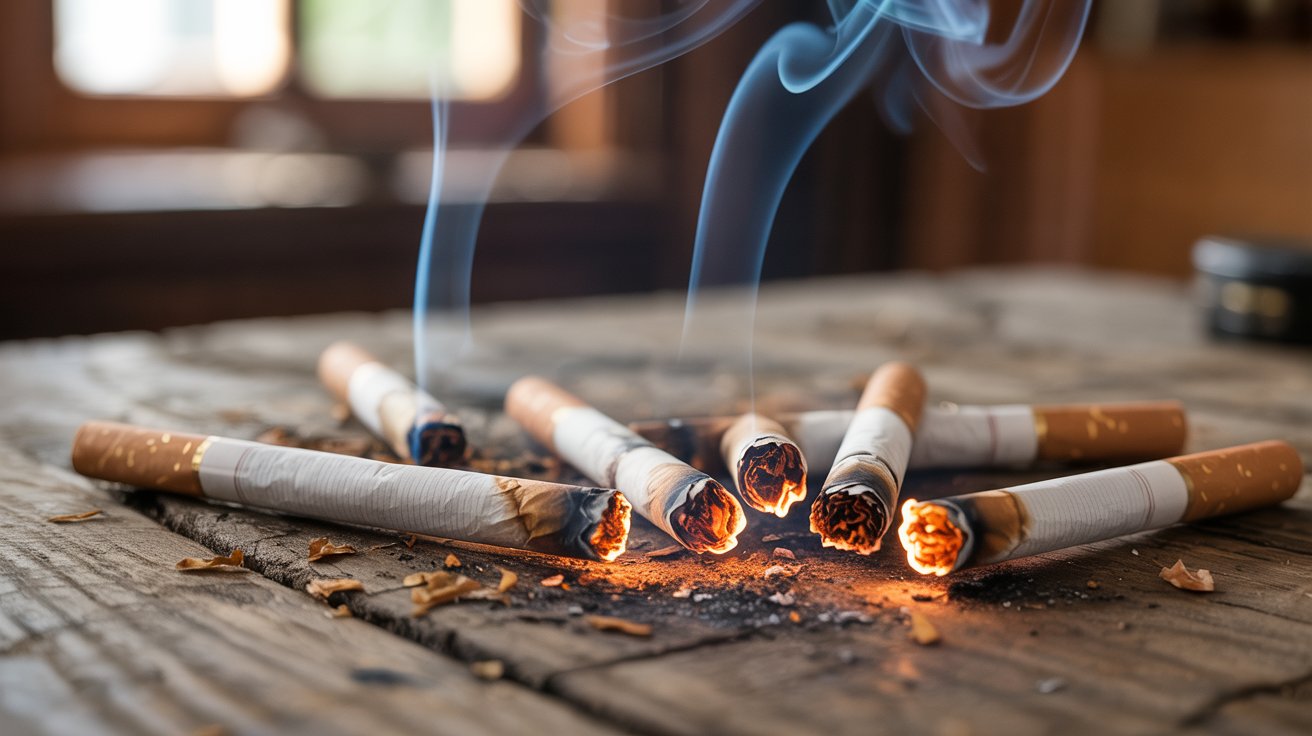
Uneven packing is the most common cause. When cannabis is denser in some spots, the lighter areas burn faster because air moves through them more easily.
Poor rolling technique creates the same problem. Inconsistent paper tension, soft spots, or overpacked ends all set up an uneven burn before the joint is even lit.
Moisture levels in the flower matter too. Dry cannabis burns faster and less predictably. Damp flower creates airflow resistance in certain spots and throws the burn off balance.
Lighting habits and wind play a role as well. Lighting only one side or taking fast, aggressive puffs pushes the burn in one direction and makes canoeing far more likely.
How to Stop Canoeing Joint While Smoking
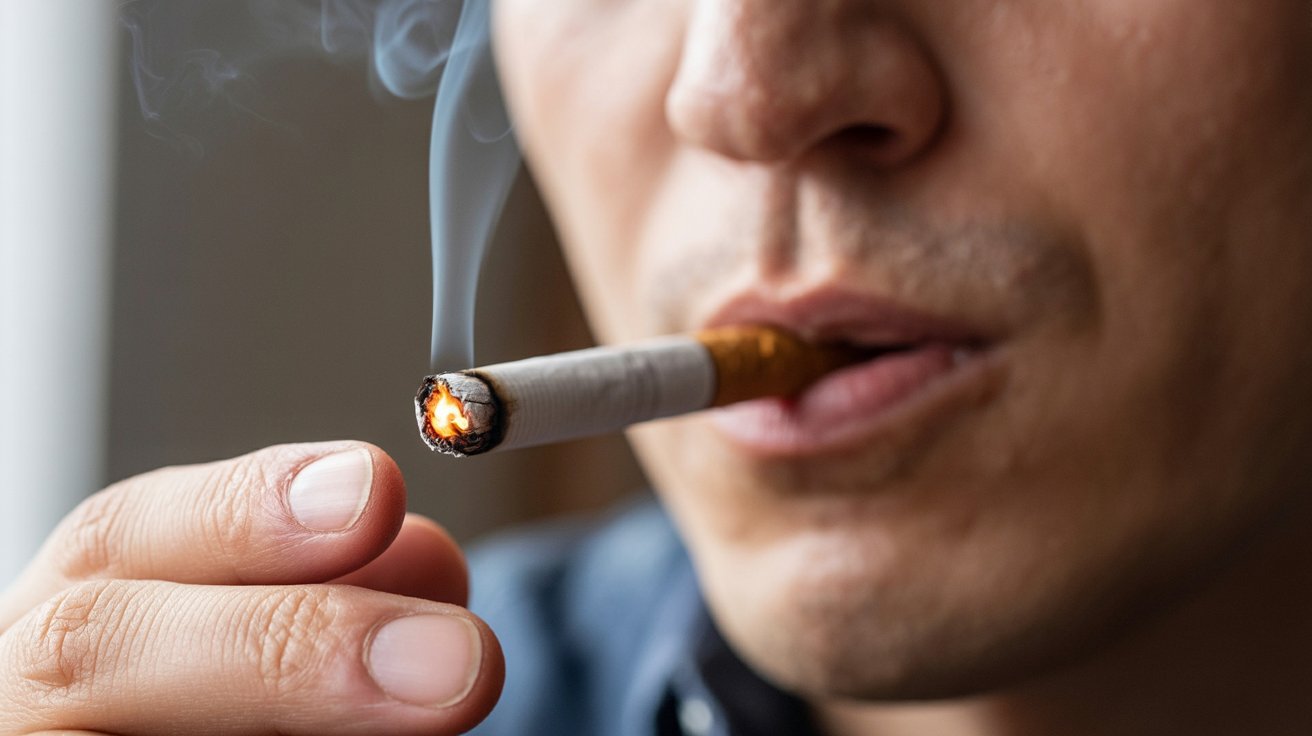
Once a joint starts canoeing, you have a short window to fix it. These three habits give you the best chance of correcting it fast.
Rotate the Joint as You Smoke
Rotating the joint slowly distributes heat across the whole tip instead of letting it concentrate on one side.
Give it a quarter turn every few hits. You do not need to be precise. Just keep it moving so no single side stays facing up for too long.
Most people hold a joint in the same position the entire time without thinking about it. That habit alone causes a lot of avoidable canoeing.
Slow Down Your Puffs
Hard, fast drags pull air through the joint unevenly. The side with less resistance burns ahead while the denser side struggles to keep up.
Slow, steady pulls give the cherry time to spread evenly across the tip between hits. Give the joint a few seconds to settle before pulling again.
This simple rhythm prevents most canoeing before it even has a chance to start.
Fix the Canoe Early
As soon as you notice one side running ahead, stop and address it. The longer you wait, the harder it is to correct.
Lightly moisten your finger and dab it on the fast-burning side. This slows it down and gives the other side a chance to catch up.
For a more significant canoe, carefully touch the flame to the slower-burning side only until the cherry evens out. Then slow your pace and keep rotating.
The Best Way to Roll a Joint That Burns Evenly
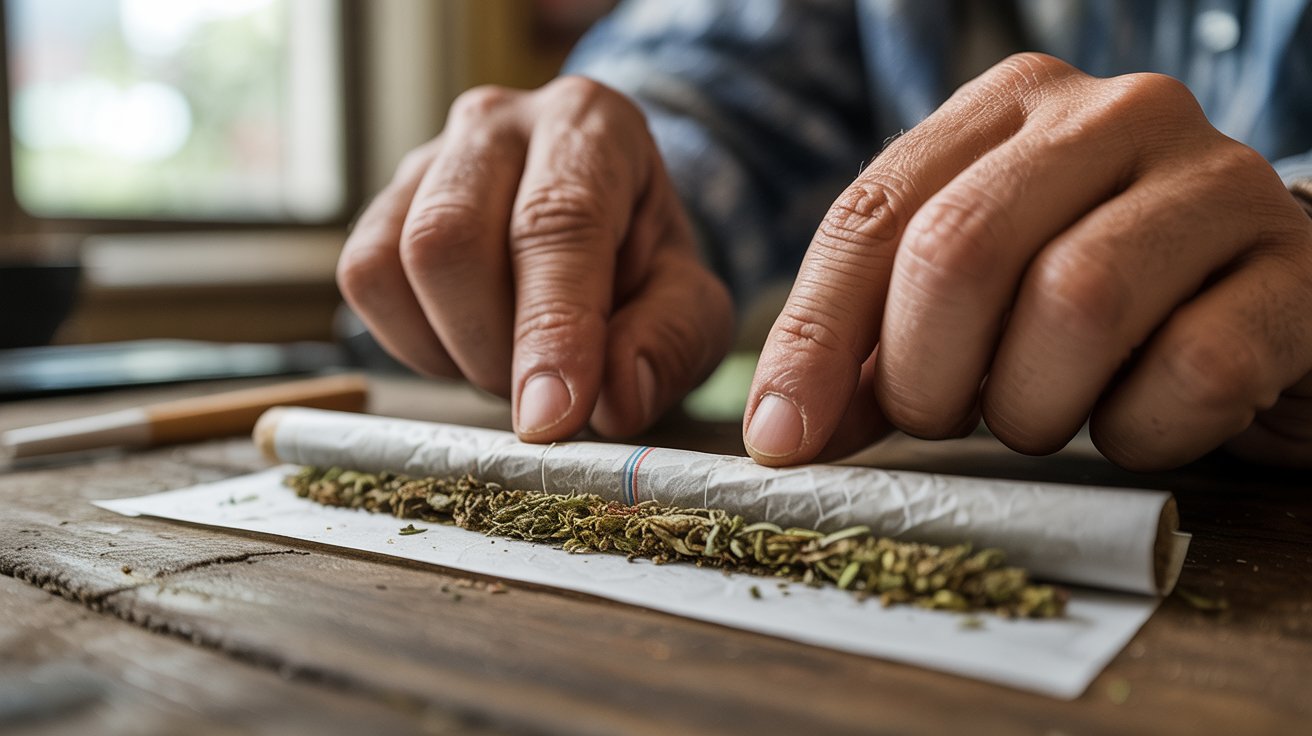
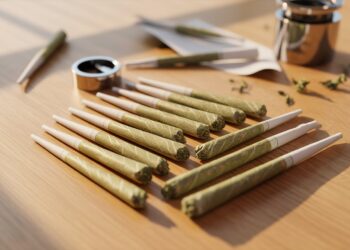
Even flower distribution is the foundation of a good burn. Spread your ground cannabis evenly along the full length of the paper with no obvious thick or thin spots.
Watch for soft spots. If any section feels less firm than the rest, press gently to even it out. Soft spots burn faster and almost always lead to a canoe.
Keep paper tension consistent from one end to the other as you roll. Loose sections and tight sections burn at different rates.
Cone-shaped joints can canoe near the wider end if that section is overpacked. Fill the wider end a little more loosely to keep the burn balanced.
How to Light a Joint Properly to Prevent Canoeing
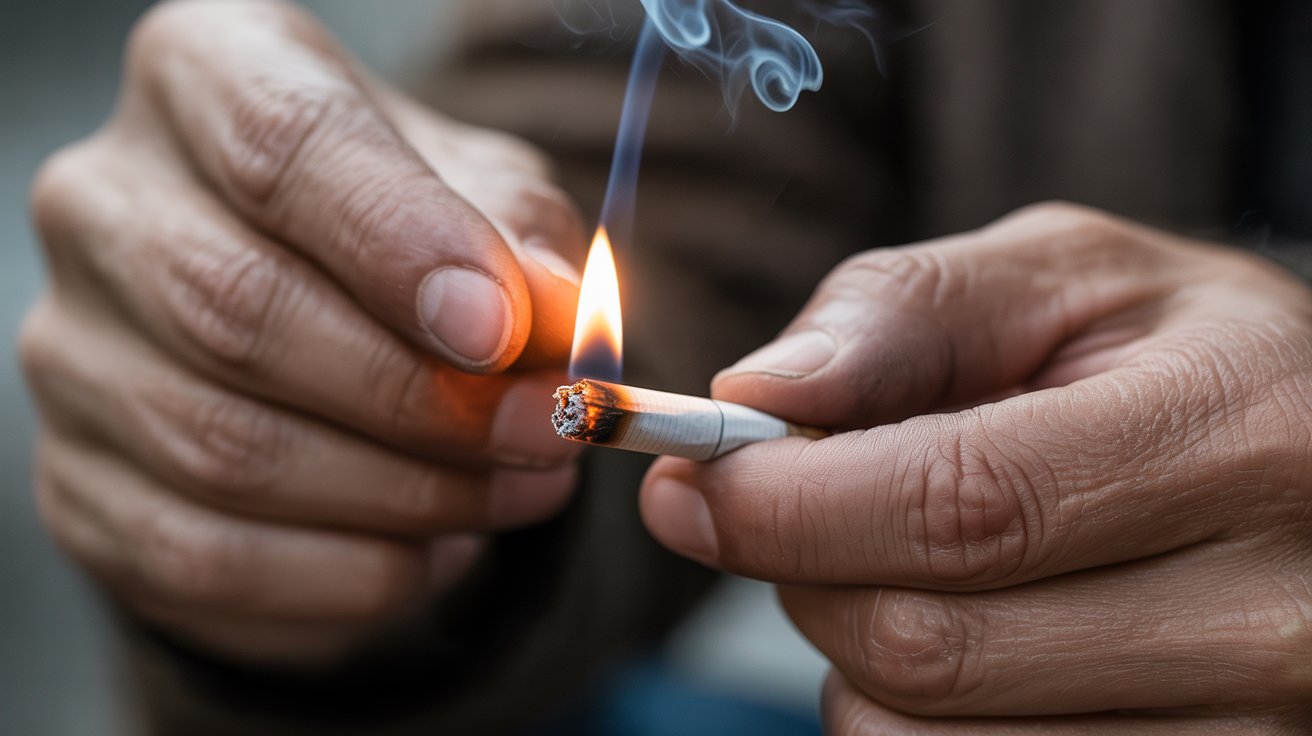
Toasting the tip before inhaling is the most effective lighting habit you can build. Hold the flame near the tip without touching it and let the heat warm the cannabis evenly before you start pulling.
Rotate the joint slowly during lighting. This spreads heat all the way around the tip and stops one side from getting a head start.
Avoid torch lighters. They apply too much heat too fast and almost always light one area harder than the rest.
Patience during lighting pays off for the entire session. Those first ten seconds set the cherry, and getting them right is a big part of knowing how to stop canoeing joint before it starts.
Moisture Levels Can Make or Break Your Burn
Overdry cannabis burns too fast and too hot. It ignites unevenly, flares up on the looser side first, and canoes almost immediately.
Wet or damp flower creates the opposite problem. Dense, moist spots resist airflow and burn slower than the drier areas around them. Still an uneven burn, just for a different reason.
The ideal flower feels slightly springy when pressed, not brittle and not sticky.
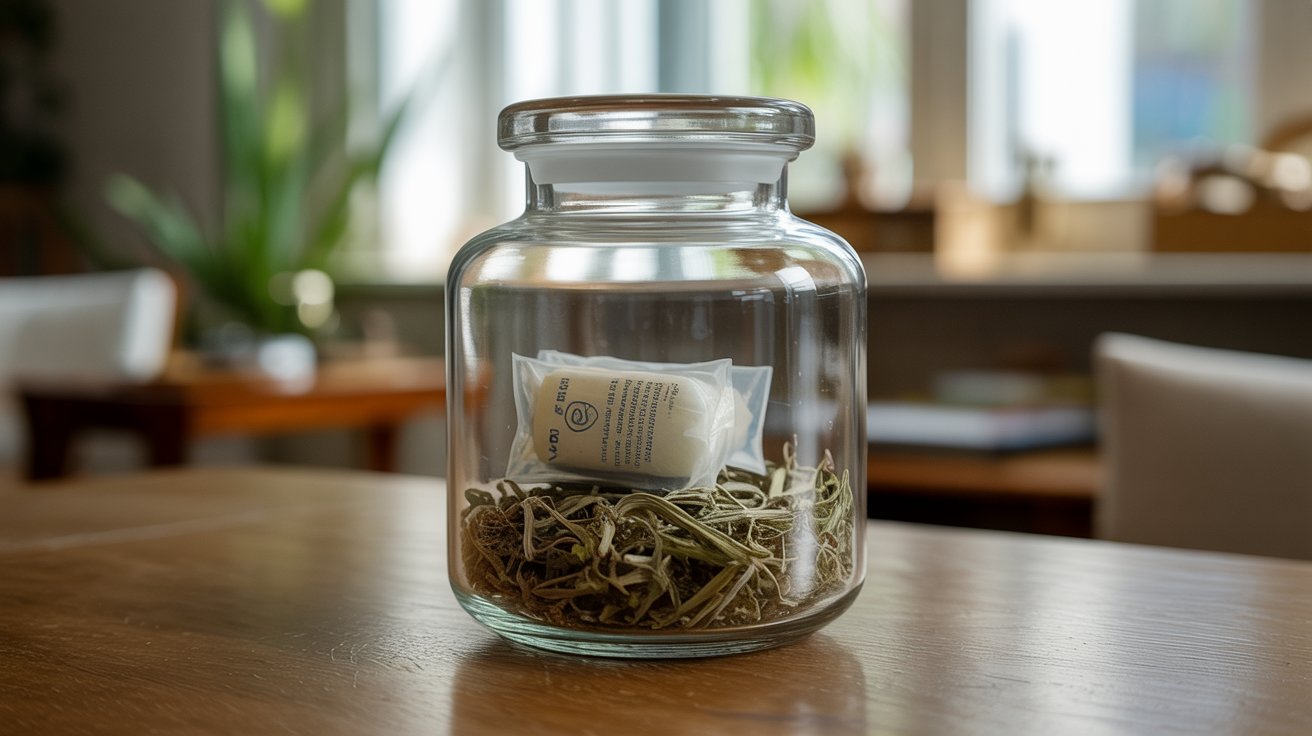
Store cannabis in an airtight glass jar with a humidity pack. A 58 to 62 percent relative humidity range is widely considered the sweet spot for a clean, even burn.
Common Mistakes That Cause Canoeing
Most canoeing problems are habits in disguise. Once you spot them, they are easy to correct.
- Holding the flame on the tip too long, which overheats one spot
- Smoking in wind that pushes the burn in a single direction
- Using low-quality rolling papers that burn at inconsistent rates
- Packing the tip too tightly, restricting airflow unevenly from the start
- Passing the joint without correcting a run first, letting it get worse with each person
Catching one or two of these in your own habits is usually enough to see an immediate improvement.
Best Rolling Papers for an Even Burn
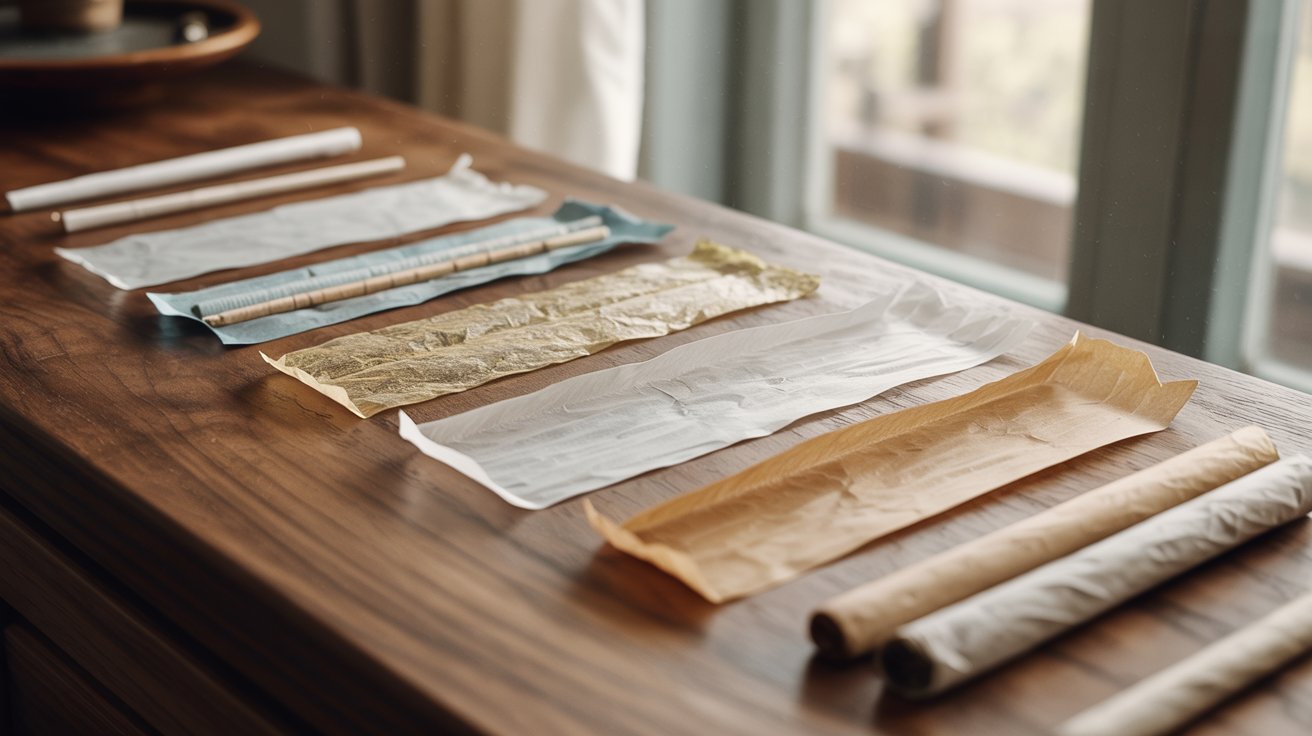
The paper you choose has a real effect on burn consistency. Switching to a better option often solves canoeing problems that technique alone could not fix.
- Rice papers burn the slowest and most evenly. Thin and clean with minimal interference
- Hemp papers burn steadily and are a solid middle-ground option for most smokers
- Wood pulp papers are the most common but burn faster and less evenly
- Slow-burn papers are worth trying if consistent burn is your main priority
Match the paper to your smoking pace too. Slower smokers do well with thinner papers. Faster smokers benefit from a slightly thicker slow-burn option.
Quick Fixes if Your Joint Starts Canoeing
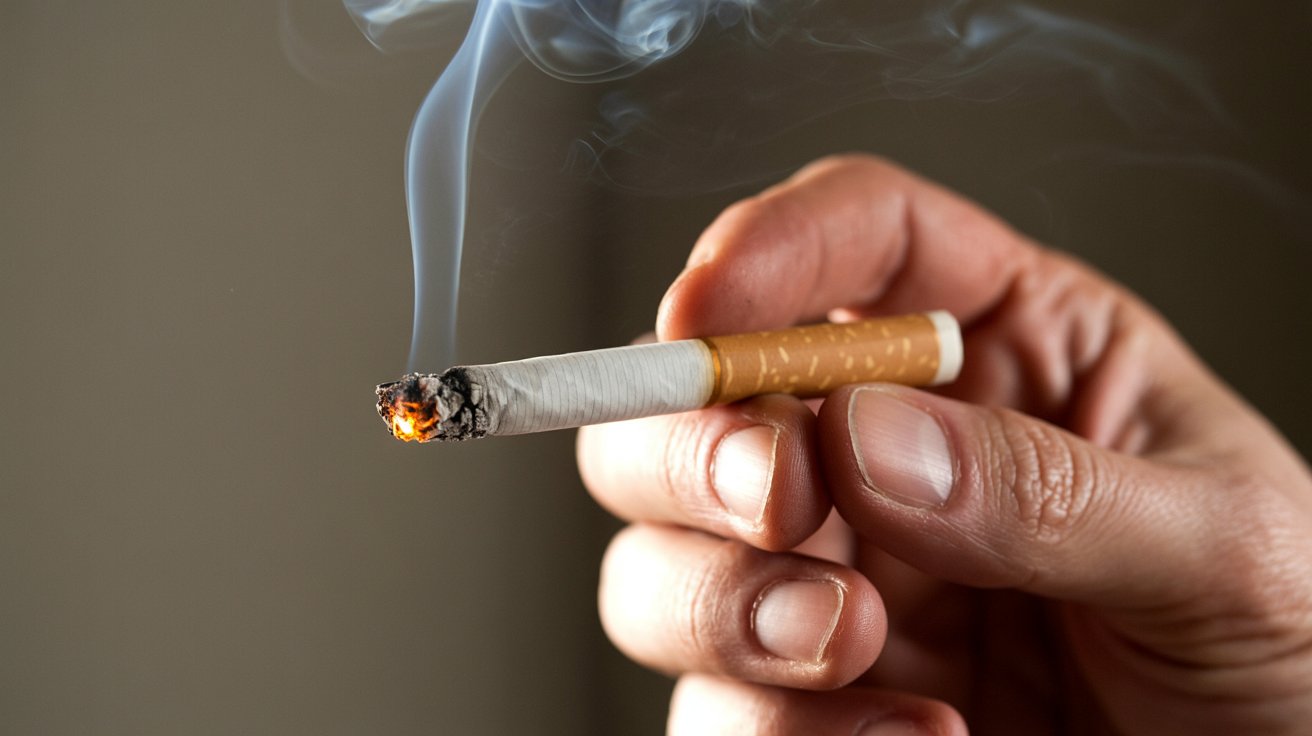
Relight the slower side first. Hold the flame just to that edge until the cherry catches up, then continue smoking at a slower pace.
Dampening the fast-burning side slightly also works. A moistened fingertip pressed lightly against that edge slows it down enough for the other side to even out.
Letting the cherry reset is worth trying for minor canoeing. Set the joint down for 30 seconds and let it cool. The burn is often more even when you return.
If the canoe is severe, rerolling is sometimes the smarter call. A badly canoeing joint one-third of the way down is often not worth fighting.
Pro Tips to Keep a Joint Burning Evenly Every Time
Small consistent habits separate joints that burn well from ones that constantly need correcting.
- Roll with consistent pressure from one end of the paper to the other
- Always use a quality grinder for uniform material before it goes into the paper
- Do not overfill the joint, especially at the tip
- Smoke at a steady, relaxed pace rather than alternating between hard drags and long pauses
- Store flower in an airtight container with a humidity pack between sessions
- Practice rolling regularly. Consistency in the roll is the biggest factor in how a joint burns
Knowing how to stop canoeing joint gets easier the more you roll. These habits just need to become automatic.
Conclusion
Here is the thing nobody tells you about canoeing. It is almost always preventable, not just fixable.
Once you understand why it happens, knowing how to stop canoeing joint from ruining your session becomes second nature. The habits are simple. The results show up immediately.
You do not need to be an expert roller to get an even burn every time. You just need to know what to pay attention to.
Try one change tonight and see what happens. Then drop a comment and tell me which fix made the biggest difference. And if this helped, share it with someone who needs it.
Frequently Asked Questions
Why Does My Joint Canoe Even When I Roll It Tightly?
Tight rolling can cause canoeing if it creates uneven density inside the joint. Make sure the cannabis is distributed evenly before rolling, not just packed firmly.
Can Wet Weed Cause a Joint to Burn Unevenly?
Yes, damp cannabis creates areas of resistance that burn slower than the drier surrounding material. Storing flower at the right humidity level before rolling helps prevent this.
How Do You Fix a Canoeing Joint Without Rerolling It?
Dampen the fast-burning side lightly and use a flame to carefully touch the slower side until the cherry evens out. Slowing your puffs and rotating while smoking helps keep it on track after that.
Do Certain Rolling Papers Prevent Canoeing Better?
Rice and hemp papers tend to burn more evenly than standard wood pulp papers. Slow-burn papers are worth trying if canoeing is a recurring problem.
Is Canoeing More Common With Cones or Hand-Rolled Joints?
Cones can be slightly more prone to canoeing near the wider end if overpacked. Hand-rolled joints canoe more often from uneven rolling tension, but both are equally fixable with the right technique.