I've sat with people who thought they were fine, until they weren't. One minute everything felt normal. The next, something was clearly off. No one warned them.
No one told them what laced weed actually is or what it can do. That's the gap I want to fill with this guide.
I've spent time researching this carefully because bad information on this topic can cost someone their health. You deserve straight facts, not scare tactics.
So if you've ever wondered how contamination happens, what to watch for, or what to do when things go wrong, you're in the right place.
Let's get into it.
Understanding Laced Weed
Laced weed is cannabis that has been mixed or contaminated with another substance.
That substance is usually something the person consuming it never agreed to take. It may be added intentionally or end up in the product by accident.
What is laced weed, exactly? It's not just strong cannabis. It's cannabis that contains something else entirely.
That something else could be a chemical, a drug, or even a non-drug material like a powder or residue.
Sometimes lacing happens on purpose. Suppliers may add substances to make the product feel stronger or more addictive.
Other times it's accidental, the result of poor storage or cross-contamination during handling.
Either way, the person using it has no idea. That's the core problem.
Why Cannabis Gets Laced in the First Place
The most common reason is money. Illegal suppliers sometimes add cheaper substances to stretch their supply further. It costs less and still sells at the same price.
Some suppliers lace cannabis to change how it feels.
A stronger or more intense effect can keep buyers coming back. It creates repeat customers, even if those customers don't fully understand why the product hits differently.
There's also the issue of misrepresentation. Low-quality cannabis gets doctored to look, smell, or feel like something better. Buyers don't always have the experience or tools to tell the difference.
Illegal markets have no safety checks. No oversight, no testing, no accountability. That environment makes contamination far easier and far more common.
Common Substances Found in Laced Weed
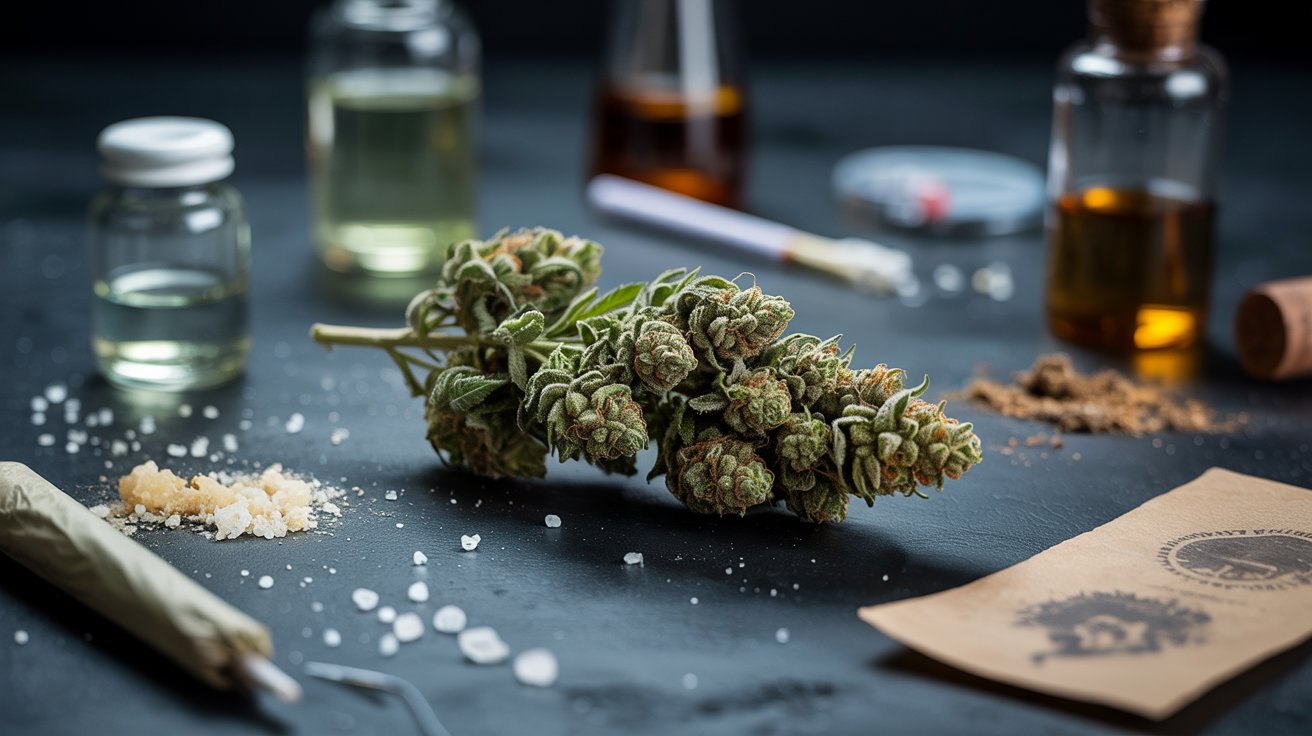
The substances used to lace cannabis vary widely. Some are other drugs. Some are plain chemicals. Here's a breakdown of the most commonly reported ones.
Synthetic Cannabinoids
Synthetic cannabinoids are lab-made chemicals that mimic the effects of THC. They're often sprayed directly onto dried plant material. To the eye, it looks like regular cannabis.
The effects can be much stronger and far less predictable than natural cannabis. Some people experience severe anxiety, vomiting, or loss of consciousness after using it. There's no way to dose it safely because the concentration varies widely.
These substances are sometimes sold under street names and marketed as legal alternatives. That doesn't make them safer. In many cases, they're significantly more dangerous.
Opioids or Sedatives (Rare but Dangerous)
Opioids in cannabis are rare, but the risk is real. Even a small amount of an opioid like fentanyl can cause a fatal overdose in someone who isn't tolerant to it.
Sedatives can slow breathing and heart rate to dangerous levels. A person may feel unusually drowsy or confused and not connect it to what they consumed. That delay in recognizing the problem makes the situation worse.
This type of contamination is the most medically serious. It has been linked to deaths in multiple countries.
Other Additives and Chemicals
PCP, a powerful dissociative drug, has been found in laced cannabis samples. It causes hallucinations, paranoia, and extreme disorientation. People often describe the experience as completely losing touch with reality.
Pesticides and industrial chemicals sometimes make their way into supply chains. This happens when cannabis is grown or stored without care. Inhaling those chemicals puts serious stress on the lungs and nervous system.
Non-drug materials like glass particles, talc, or sand have also been found in laced cannabis. These don't create a high. They cause physical damage to the airways over time.
Effects and Warning Signs of Laced Weed
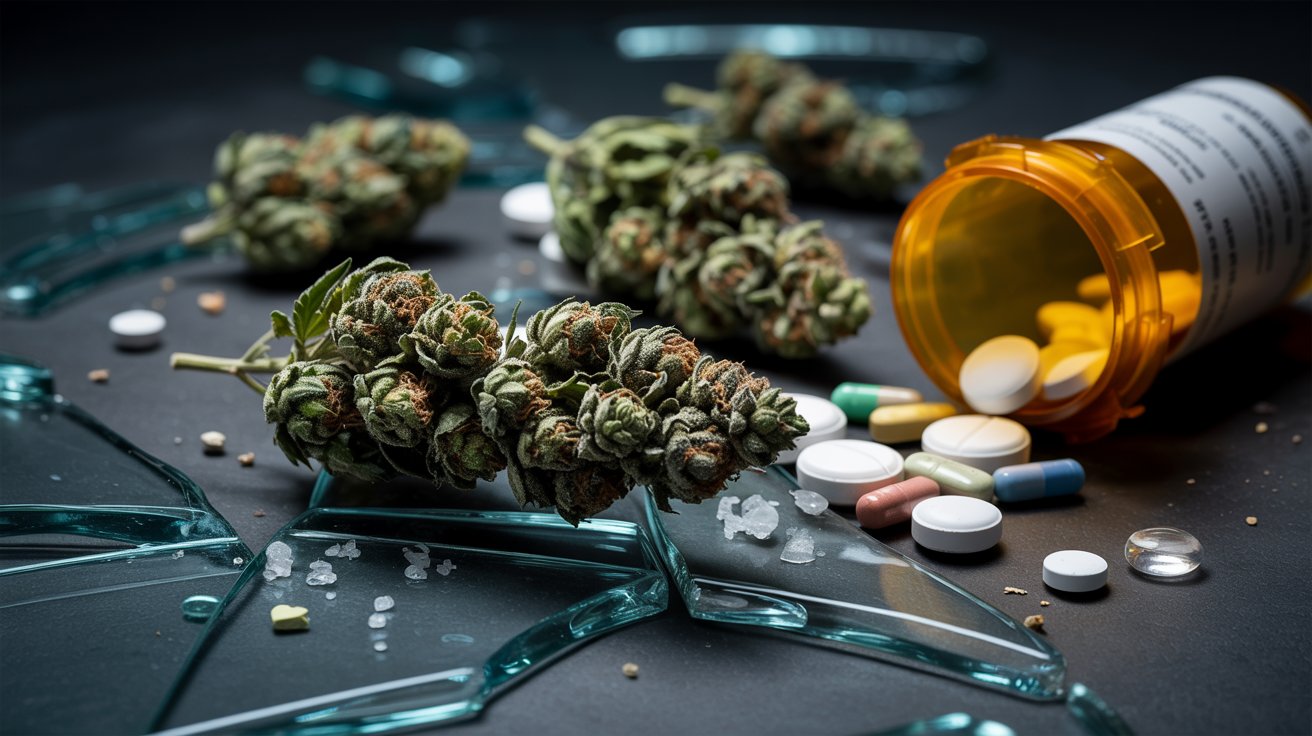
Regular cannabis has a fairly predictable range of effects for most people. Laced weed does not. The effects depend entirely on what was added, how much, and how it interacts with your body. That unpredictability is what makes it so risky.
Watch for these warning signs after consuming cannabis:
- Sudden and extreme anxiety or panic that feels out of proportion
- Rapid or irregular heartbeat
- Confusion or difficulty recognizing where you are
- Nausea and vomiting that doesn't settle
- Unusual drowsiness or difficulty staying awake
- Hallucinations or paranoia that feel severe and uncontrollable
- Numbness or tingling in the hands, face, or feet
- Chest tightness or trouble breathing
- Loss of coordination or trouble speaking clearly
These symptoms are not typical of cannabis alone. If you or someone around you experiences several of these at once, take it seriously. The body is usually telling you something is wrong. Don't wait to see if it passes on its own.
Health Risks and Dangers
Laced weed is significantly more dangerous than regular cannabis because you don't know what you're actually consuming. A substance your body has never encountered can cause a toxic reaction quickly. There's no safe amount to test with.
Overdose risk goes up sharply when opioids or synthetic cannabinoids are involved. These substances have narrow margins between a strong effect and a life-threatening one. Cannabis alone rarely causes overdose. The same cannot be said for what it might be mixed with.
Long-term effects depend on the substance involved. Repeated exposure to synthetic cannabinoids has been linked to neurological damage and lasting mental health changes. Some users report lasting anxiety disorders or memory issues.
People with existing heart conditions, respiratory problems, or mental health diagnoses face even greater risk. A substance that causes manageable discomfort in one person can trigger a serious medical event in another.
How to Identify Laced Weed
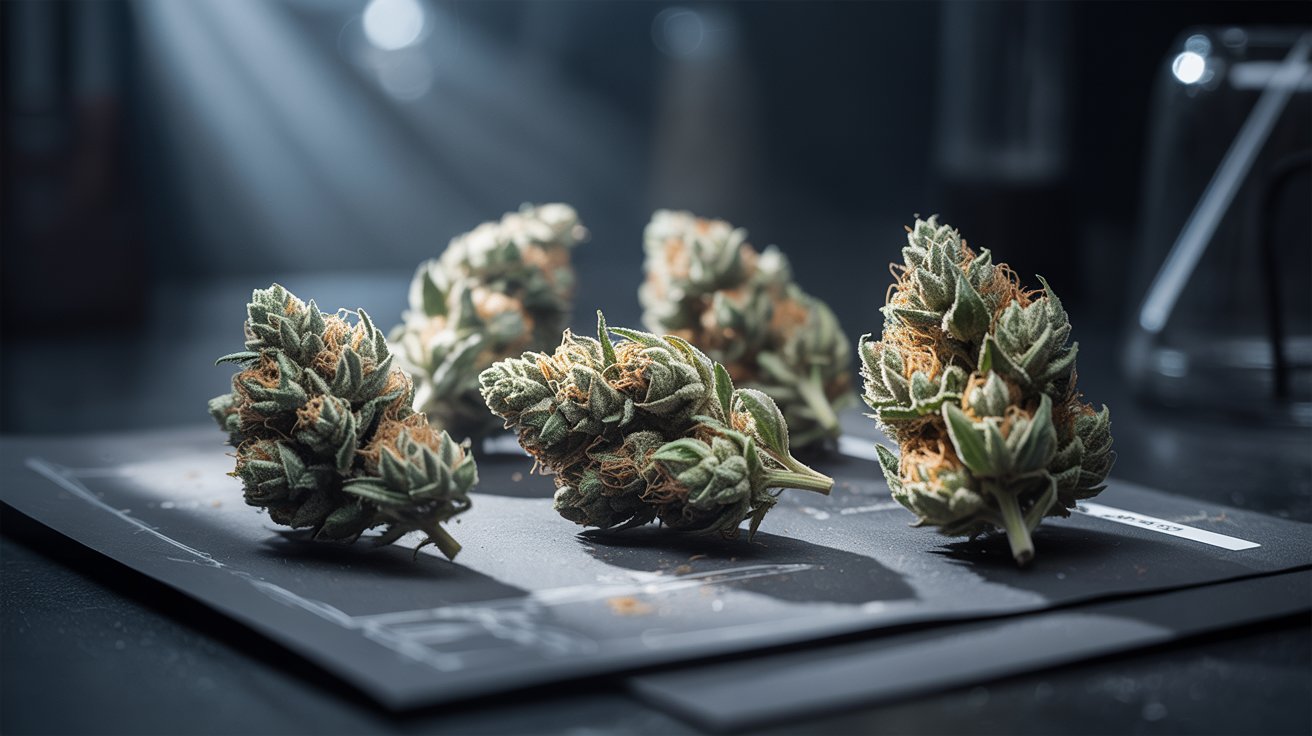
There is no reliable way to confirm laced weed without laboratory testing. Visual checks are not enough. But some warning signs are worth paying attention to.
An unusual smell is one of the first things to notice. Cannabis has a distinct odor. A chemical or synthetic smell that doesn't match is a red flag.
The smoke may feel harsher than usual. If it burns the throat more aggressively or leaves a strange aftertaste, that's worth questioning.
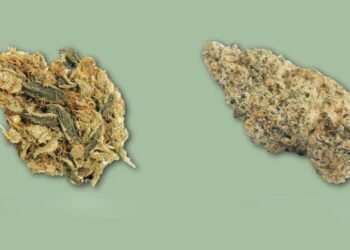
Look at the texture. Powdery residue, unusual coloring, or an oddly smooth surface on the buds can sometimes indicate something has been added. It's not definitive, but it's a signal.
Most importantly, pay attention to how it feels. Effects that seem far stronger than expected, or completely different from your previous experiences with cannabis, deserve serious attention. Your body often notices something is off before your mind does.
What to Do If Someone Consumes Suspected Laced Weed
Stop consuming immediately. This sounds obvious but it matters. More of the substance makes every risk worse.
Stay calm and keep the person still and comfortable. Panic raises the heart rate and can intensify certain symptoms. If someone is with you, let them take the lead on keeping things steady.
Watch for serious symptoms. Chest pain, severe confusion, loss of consciousness, or trouble breathing all require emergency medical care. Call for help without hesitation. Don't try to manage a medical emergency on your own.
Avoid mixing anything else into the situation. Alcohol, other drugs, or stimulants can interact badly with unknown substances already in the system.
If you seek medical help, be honest about what was consumed. Doctors need accurate information to treat effectively. They are there to help, not to judge.
Prevention and Harm Reduction
The safest starting point is knowing your source. Cannabis from unverified or unknown suppliers carries a much higher risk of contamination. The illegal market has no quality control.
Be cautious of anything that seems unusually cheap or unusually strong. Both can be signs that something has been added to cut costs or boost the perceived effect.
Drug checking services exist in some areas and can test substances for certain contaminants. Testing kits are also available in some places. These aren't foolproof, but they add a layer of information you otherwise wouldn't have.
Talk to people around you about this. Awareness is one of the most effective harm reduction tools available. Someone who knows the signs of laced weed is better positioned to respond quickly if something goes wrong.
Conclusion
The bottom line is simple. Laced weed puts you in a situation where you have no control over what enters your body. That's a risk no high is worth taking. Staying informed and staying cautious are the two best things you can do.
If this guide helped you see things more clearly, pass it on to someone who needs it. Knowledge shared is harm prevented. Have a question or a personal experience you'd like to add?
Drop it in the comments. I read every one, and your input might help someone else make a safer choice.
Frequently Asked Questions
What Is Laced Weed?
Laced weed is cannabis that has been mixed with another substance, usually without the consumer's knowledge. That added substance can be another drug, a chemical, or a non-drug material.
Is Laced Weed Common?
It's more common in illegal and unregulated markets where there is no product testing or oversight. Legal and regulated cannabis markets significantly reduce this risk.
Can You Tell If Weed Is Laced Just by Looking at It?
Visual inspection is not a reliable way to confirm contamination. Lab testing is the only method that provides accurate results.
What Are the Dangers of Laced Weed?
The effects are unpredictable and depend entirely on what was added. Risks include overdose, toxic reactions, severe mental health episodes, and in extreme cases, death.
What Should I Do If I Think I Consumed Laced Weed?
Stop consuming immediately and monitor symptoms closely. If you experience chest pain, severe confusion, or loss of consciousness, seek emergency medical help right away.