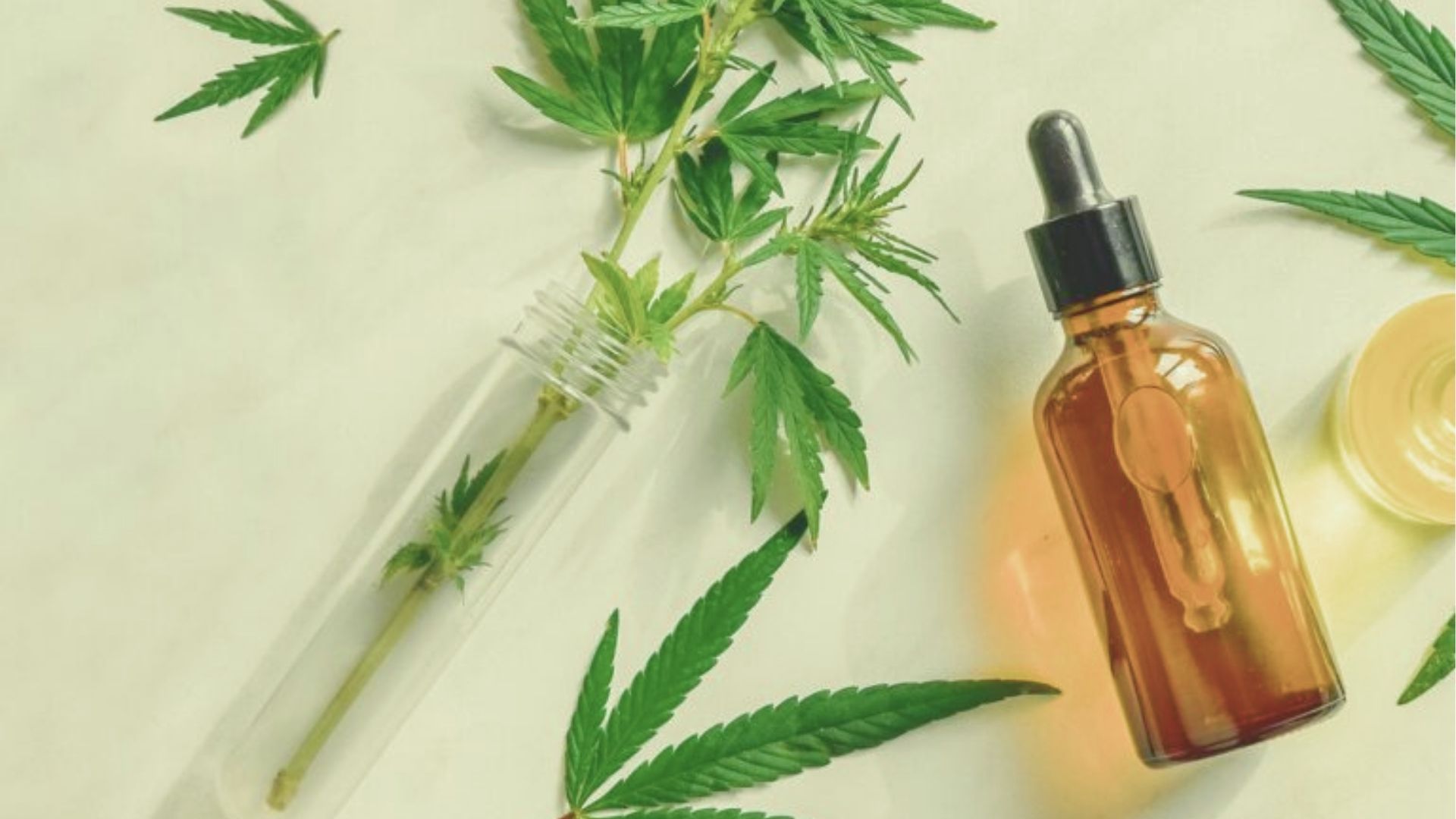
Confused about CBG vs CBD? You’re not alone. Most people have heard of CBD, but CBG is newer and less understood.
In this guide, I’ll break down exactly what each one is, how they work, and what makes them different. You’ll also learn which one might suit your needs best.
We’ll cover benefits, side effects, legality, and how to use them. I’ve spent time researching both cannabinoids to make this as clear as possible.
No complicated terms. No guesswork. Just simple, honest information to help you make a smart choice.
What Is CBG vs CBD?
CBG stands for cannabigerol. It comes from the hemp plant and is often called the “mother of all cannabinoids.” Most cannabinoids, including CBD and THC, actually start as CBG.
As the plant grows, CBG converts into other compounds, leaving very little behind by harvest time. That’s why CBG products tend to cost more.
CBD stands for cannabidiol. It’s the most well-known cannabinoid in hemp and has been on the market for years. Millions use it for stress, sleep, pain, and general wellness. It’s non-psychoactive and widely available in oils, gummies, capsules, topicals, and more.
Neither one gets you high. Both come from hemp and are driving a growing shift toward plant-based wellness. CBD caught on through early research on anxiety and pain.
CBG followed as scientists started looking deeper at lesser-known cannabinoids. As more research comes out, interest in both keeps growing.
Understanding Cannabinoids and the Endocannabinoid System
Learn how cannabinoids work in your body and why the endocannabinoid system plays such a key role.
What Are Cannabinoids?
Cannabinoids are natural compounds found in the hemp and cannabis plant. There are over 100 of them.
The most well-known are THC, CBD, and CBG. But there are others like CBN, CBC, and THCV.
Each cannabinoid has its own chemical shape. That shape determines how it interacts with your body.
Some cannabinoids are psychoactive, meaning they affect your mind. THC is the best example. Others like CBD and CBG are non-psychoactive. They don’t get you high.
How the Endocannabinoid System Works
Your body has a built-in system called the endocannabinoid system (ECS). It helps regulate many important functions.
This includes mood, sleep, pain response, appetite, and immune function. Your body naturally produces its own cannabinoids called endocannabinoids.
The ECS has two main receptors: CB1 and CB2.
- CB1 receptors are found mostly in the brain and nervous system.
- CB2 receptors are found in the immune system and throughout the body.
When something is out of balance, the ECS steps in to help bring it back to normal. This process is called homeostasis.
How CBG and CBD Interact With the Body
Both CBD and CBG interact with the ECS, but in slightly different ways.
CBD doesn’t bind directly to CB1 or CB2 receptors. Instead, it influences them indirectly. It also affects other receptors in the body, including serotonin receptors.
CBG binds more directly to both CB1 and CB2 receptors. Some researchers believe this gives it a more targeted effect.
Both may help the ECS work more efficiently. That’s why people often report feeling more balanced after using them.
Key Differences Between CBG and CBD
CBG and CBD come from the same plant but work differently. Here’s how they compare.
|
Category |
CBG |
CBD |
|
Chemical Structure |
Simpler structure: base compound for other cannabinoids |
More complex structure: interacts with a wider range of receptors |
|
Cannabinoid Type |
Minor cannabinoid |
Major cannabinoid |
|
Plant Content |
Less than 1% in hemp plants |
Found in large amounts in hemp plants |
|
Main Uses |
Focus, mental clarity, specific inflammation, neuroprotection, appetite |
Anxiety, stress, sleep, general inflammation, daily wellness |
|
Availability |
Harder to find: fewer brands carry it |
Widely available at pharmacies, health stores, and online |
|
Cost |
More expensive due to low plant yield |
More affordable with options for every budget |
|
Works Best For |
Daytime use, targeted relief |
General wellness, stress, and sleep support |
They’re not competing products. They work differently and can actually complement each other. Many people use both for a more well-rounded approach to wellness.
CBG vs CBD for Pain, Stress, and Sleep
Comparing both cannabinoids side by side for three of the most common wellness concerns.
Which Is Better for Pain Relief?
CBD works well for general pain and inflammation. CBG may be better for localized or nerve-related pain since it binds more directly to pain receptors.
Using both together may give the best results.
Which Is Better for Anxiety and Stress?
CBD is the stronger choice. It has more research behind it and more reported results. CBG is more focused on alertness, which isn’t ideal for everyone with anxiety.
Start with CBD, then add CBG if you want extra mental clarity.
Which Cannabinoid Supports Better Sleep?
CBD wins here. Its calming effects are well-documented. CBG is more energizing and may disrupt sleep if taken late in the day.
A simple approach: CBG in the morning, CBD at night.
Can You Use CBG and CBD Together?
Yes. Many people do. This is called the “entourage effect.” The idea is that cannabinoids work better as a team. Many products now combine both in one formula.
If you’re new, start with one first and add the other once you know how your body responds.
CBG vs CBD: Benefits Compared
A side-by-side look at what each cannabinoid may offer and how their benefits differ.
|
Benefit Area |
CBG |
CBD |
|
Inflammation |
Early research shows CBG may reduce inflammation directly, including in the gut. Animal studies on IBD showed promising results. |
CBD has strong anti-inflammatory potential backed by multiple studies. Widely used in topicals for sore muscles and joints. |
|
Focus and Mental Clarity |
Many users report a “clean focus” effect. CBG has an alert, uplifting quality. It may keep you sharp without causing jitteriness. |
CBD is not typically associated with focus. It leans more toward calming the mind rather than sharpening it. |
|
Pain Relief |
CBG binds directly to CB1 and CB2 receptors. Users report more targeted relief, especially for muscle tension and localized discomfort. |
CBD interacts with pain receptors in the nervous system. It works well for general body pain, arthritis, and sports injuries. |
|
Anxiety and Stress |
CBG does not directly target anxiety. Its alertness effect may not suit people with high stress levels. |
CBD is the go-to option for anxiety. A 2019 study showed 79% of users felt lower anxiety after one month of use. |
|
Sleep Support |
CBG is more energizing, so it may not support sleep. Taking it late in the day could make rest harder. |
CBD may calm the nervous system and reduce anxiety-related sleep disruption. It can help people fall asleep and stay asleep longer. |
|
Neuroprotection |
A 2015 study found CBG helped protect neurons in mice with Huntington’s disease. Researchers are exploring its role in Parkinson’s and Alzheimer’s. |
CBD has not been as directly studied for neuroprotection as CBG. Its strength lies more in mood and pain support. |
|
General Wellness |
CBG is best for targeted, specific benefits rather than broad daily use. |
CBD works well as a daily supplement. Think of it like a multivitamin for your ECS, supporting mood, sleep, and stress over time. |
|
Research Level |
Still emerging. Most studies are animal-based. Human trials are limited but growing. |
Well-researched. The FDA has even approved a CBD-based drug, Epidiolex, for epilepsy treatment. |
Quick takeaway: CBG is better suited for focus, targeted pain, and neuroprotection. CBD is the stronger choice for anxiety, sleep, and general daily wellness. Used together, they may cover a wider range of needs.
Different Ways to Take CBG and CBD
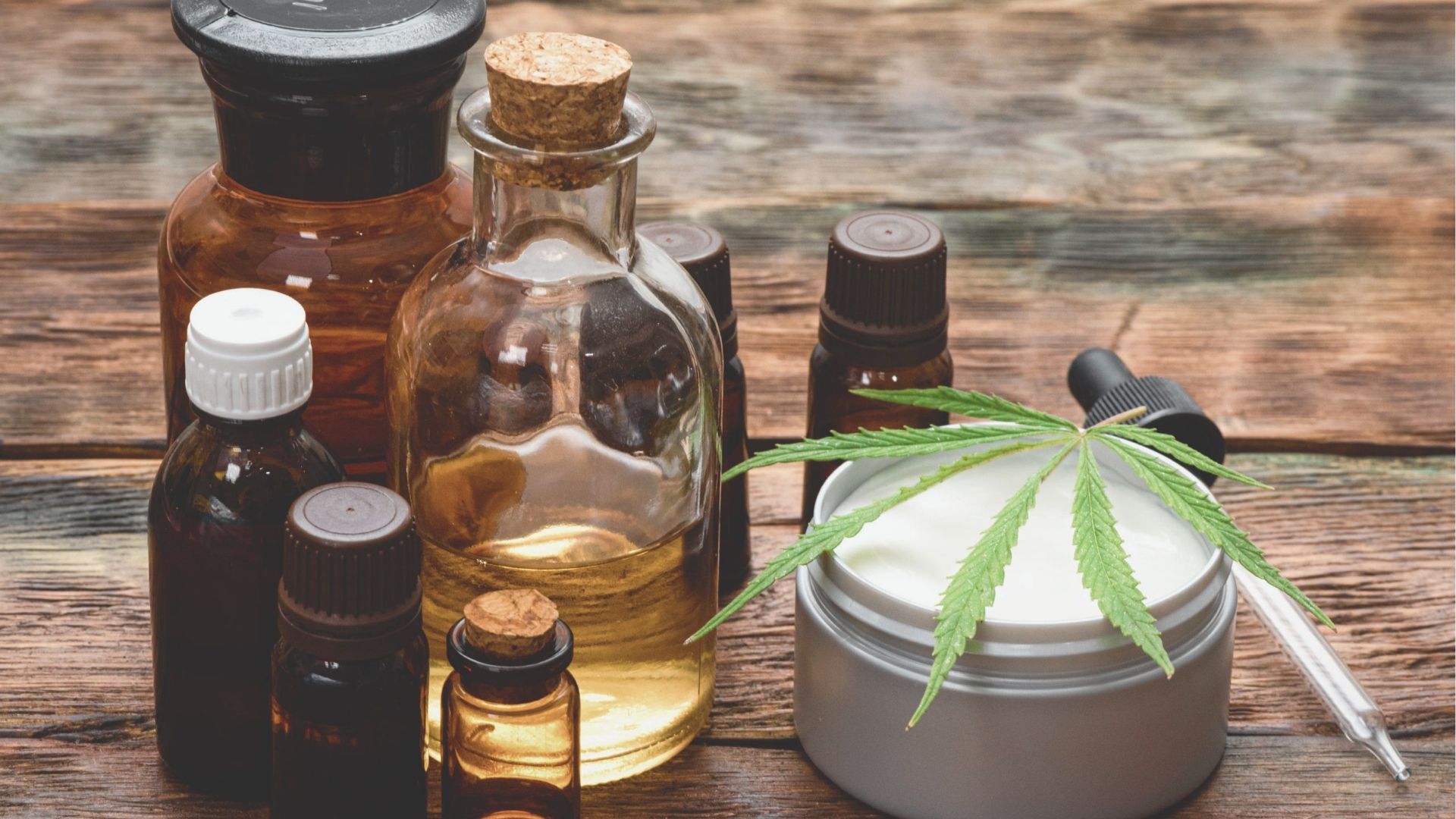
From oils to gummies, here’s a clear look at the most popular formats and what works best for each goal.
Oils and Tinctures
Place a few drops under your tongue and hold for 60 to 90 seconds. Effects kick in within 15 to 45 minutes. Easy to dose and great for beginners.
Gummies and Edibles
Pre-dosed and easy to carry. They take 30 minutes to 2 hours to work, but effects last longer. A solid choice for all-day support.
Capsules and Softgels
Simple and tasteless. Swallow like any supplement. The effects are slow but steady. Good for people who want a consistent daily routine.
Flower, Vapes, and Pre-Rolls
The fastest option. Effects hit within minutes. Best for acute pain or sudden anxiety. Not ideal for people with lung issues. Always buy from tested, reputable brands.
Topicals and Creams
Applied directly to the skin. Great for sore joints, tight muscles, or irritated skin. Nothing enters the bloodstream. Perfect for targeted, local relief.
Does CBG or CBD Get You High?
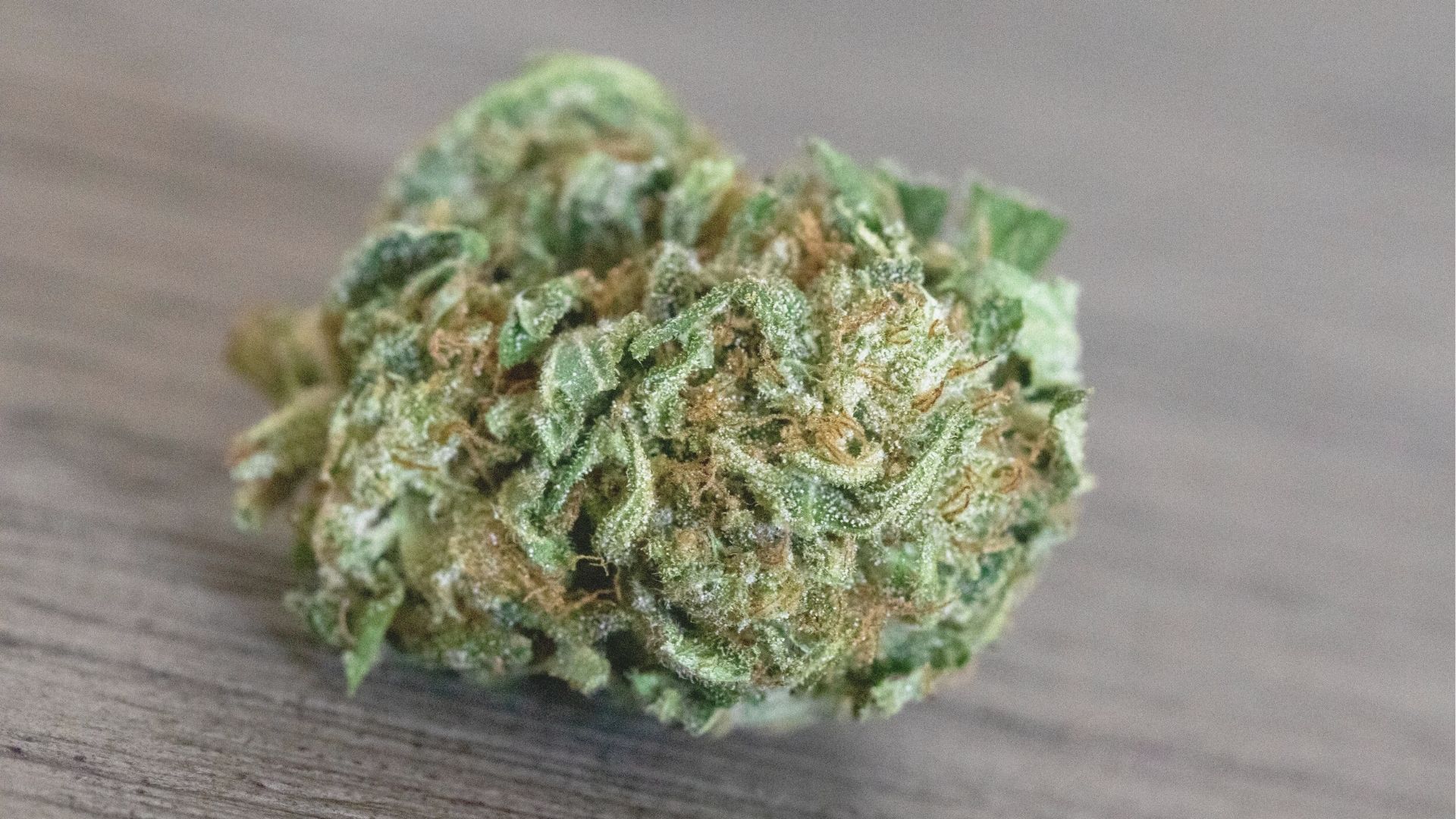
Both are non-psychoactive, but it’s worth understanding exactly why and how they differ from THC.
A psychoactive substance changes how your brain functions. THC does this by binding strongly to CB1 receptors, producing a “high.” CBD and CBG don’t work that way. They won’t alter your thinking or make you feel out of control.
Here’s a quick breakdown:
|
Cannabinoid |
Psychoactive? |
Main Use |
|
THC |
Yes |
Recreation, pain, appetite |
|
CBD |
No |
Anxiety, sleep, pain, wellness |
|
CBG |
No |
Focus, inflammation, pain |
Legal hemp products contain less than 0.3% THC. That’s too small to cause any mental effects.
For beginners, the shifts are subtle. CBD may leave you feeling calmer. CBG may sharpen your focus. Neither will make you feel high or impaired. Start with a low dose and pay attention to how your body responds.
Side Effects and Safety Considerations
Before you start, know what to expect. Both CBG and CBD are generally safe, but not risk-free.
Common Side Effects of CBG
CBG is considered well-tolerated by most people. Side effects are rare and usually mild.
Some users report:
- Dry mouth
- Increased appetite
- Mild fatigue at higher doses
Because CBG hasn’t been studied as extensively as CBD, we don’t have as complete a picture yet. That’s why starting slow is always a good idea.
If you’re pregnant, nursing, or managing a serious health condition, talk to your doctor before using CBG.
Common Side Effects of CBD
CBD has a longer safety record than CBG. It’s been studied more widely.
Possible side effects include:
- Dry mouth
- Drowsiness (especially at higher doses)
- Diarrhea (usually from oils with a carrier like MCT)
- Changes in appetite
- Mild dizziness
Most people tolerate CBD well. The key is starting with a low dose and increasing slowly over time.
The FDA notes that CBD can affect liver enzyme levels at high doses. If you’re on medication, speak with a healthcare provider first.
Possible Drug Interactions
Both CBD and CBG can interact with certain medications. This is an important point that many people overlook.
CBD is known to inhibit a group of liver enzymes called CYP450. These enzymes break down many common medications. If CBD slows this process, medications can build up in your system to higher levels than intended.
This is sometimes called the “grapefruit effect” because grapefruit does the same thing.
If your medication comes with a warning to avoid grapefruit, talk to your doctor before using CBD or CBG.
Tips for First-Time Users
Here are a few simple rules for getting started safely:
- Start low. Try 5 to 10 mg of CBD or CBG to see how your body reacts.
- Go slow. Wait at least a week before increasing your dose.
- Be consistent. Cannabinoids often work better with regular use.
- Choose quality products. Look for brands that provide third-party lab reports.
- Talk to your doctor if you take any medication or have a health condition.
There’s no need to rush. Give your body time to adjust.
Is CBG or CBD Legal?
Understanding the legal status of hemp-derived cannabinoids can feel confusing, but here’s what matters most.
The 2018 Farm Bill changed everything. It removed hemp from the Controlled Substances Act, making it legal to grow, process, and sell hemp and its derivatives across the country. As long as a product comes from hemp and contains less than 0.3% THC, it is federally legal.
Always look for a Certificate of Analysis (COA) from a third-party lab before buying. It confirms the THC content and proves the product meets legal limits. No COA is a red flag.
That said, federal law doesn’t override state law. Some states have stricter rules or added restrictions. Before buying, check your state’s current laws. Most U.S. states allow hemp-derived CBD and CBG, but staying informed is always a smart move.
Tips to Choose Between CBG and CBD
Choosing the right cannabinoid comes down to your specific wellness goals, not just what’s trending.
- Start by writing down your main goal. Is it sleep, pain, focus, or stress? That one answer will point you toward the right cannabinoid without any guesswork.
- CBG works well if you want daytime focus, targeted inflammation relief, or an energizing feeling. It’s also a good next step if you’ve already tried CBD and want to add something new.
- CBD is the better starting point if you deal with anxiety, poor sleep, or general discomfort. It has more research behind it and is easier to find at a lower price point.
- Don’t choose based on price or popularity alone. Choose based on what makes sense for your body and your daily routine right now.
- Many brands now offer products that combine both CBG and CBD in one formula. These full-spectrum or broad-spectrum blends let you experience both cannabinoids at once and see how your body responds.
Conclusion
I’ve been where you are. Reading about CBG and CBD for the first time can feel overwhelming. But once you understand the basics, it gets much simpler.
Both cannabinoids have real potential. CBD is the safer, more researched starting point. CBG is worth exploring once you’re ready.
Start small, be consistent, and pay attention to how your body responds.
If this guide helped you, I’d love to hear about it. Drop a comment below and share what you’re hoping to try. And if someone you know is curious about CBG vs CBD, share this post with them.
Frequently Asked Questions
Is CBG stronger than CBD?
Not exactly stronger, but different. CBG binds more directly to receptors in the body, which some users find more targeted. CBD has broader effects and more research behind it.
Can I take CBG and CBD at the same time?
Yes, many people do. Taking both together may produce stronger, more balanced effects. Start with low doses of each and adjust based on how you feel.
How long does it take for CBG or CBD to work?
It depends on the method. Oils and tinctures work in 15 to 45 minutes. Gummies and capsules can take 1 to 2 hours. Inhalation works within minutes.
Will CBG or CBD show up on a drug test?
Pure CBD and CBG should not trigger a positive drug test. However, full-spectrum products contain trace amounts of THC, which could show up. Use broad-spectrum or isolate products if this is a concern.
How much CBG or CBD should a beginner take?
Start with 5 to 10 mg per day and increase gradually. There is no universal dose. Your body weight, metabolism, and individual ECS all play a role in how you respond.