I have seen a lot of people get fooled by weed that looks great but delivers almost nothing.
Dense buds, bright colors, and a clean appearance. Sounds good, right? But if it was grown with synthetic plant growth regulators, you are not getting what you paid for.
PGR weed is all looks and very little substance. Worse, it can actually harm your health over time.
I put this guide together to help you spot the difference fast. You will learn what PGR weed really is, how it compares to naturally grown cannabis, and why it matters more than most people think.
Let us get into it.
What Is PGR Weed?
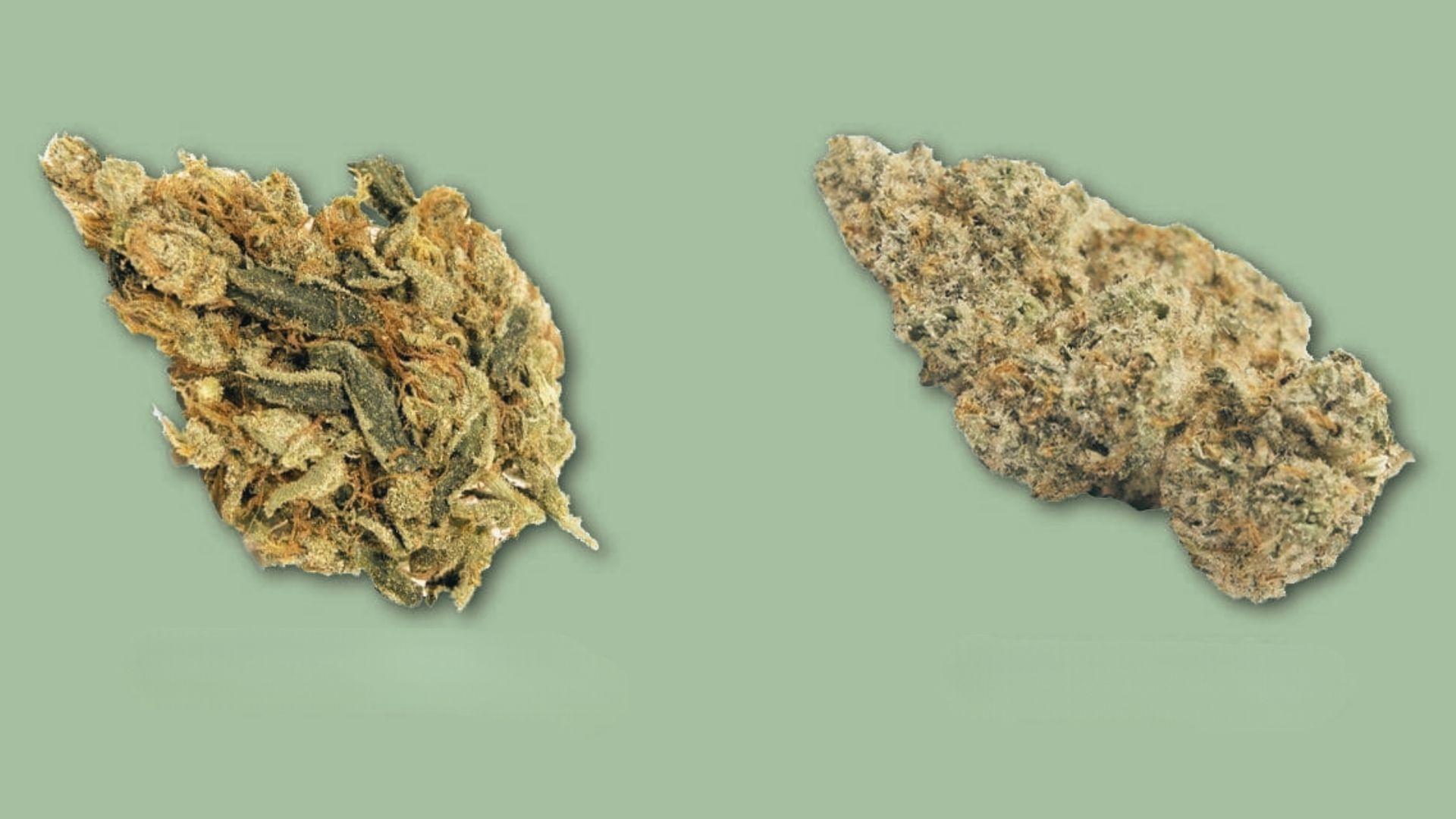
PGR weed is cannabis grown using synthetic plant growth regulators. These are chemical compounds that control how a plant grows, affecting its size, shape, and bud density.
Some growers use them to get bigger, denser buds in less time. It looks like high-quality weed, but it usually is not.
The most common PGRs found in cannabis are Daminozide, Paclobutrazol, and Chlormequat Chloride.
All three are linked to serious health risks and are not approved for use on food crops in many countries.
What Is Non-PGR Weed?
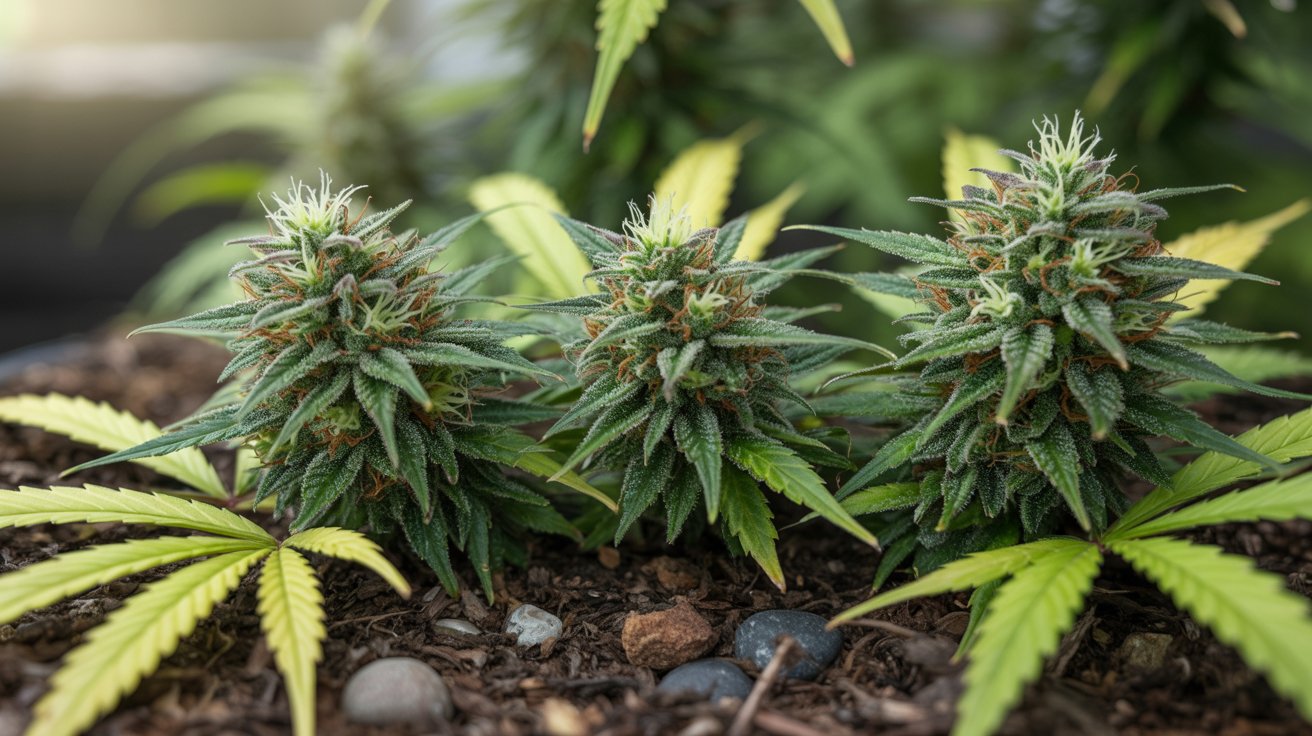
Non-PGR weed is cannabis grown without synthetic chemicals. It develops naturally, the way the plant is supposed to grow.
Most non-PGR growers use organic methods. They rely on natural soil, compost, and the plant's own hormones to drive growth. No shortcuts, no chemicals.
Consumers prefer it for a simple reason. It is cleaner. The high feels fuller, the smell is stronger, and the overall experience is better.
Plus, you are not putting unknown synthetic compounds into your body.
PGR Weed vs Non-PGR Weed: Quick Comparison
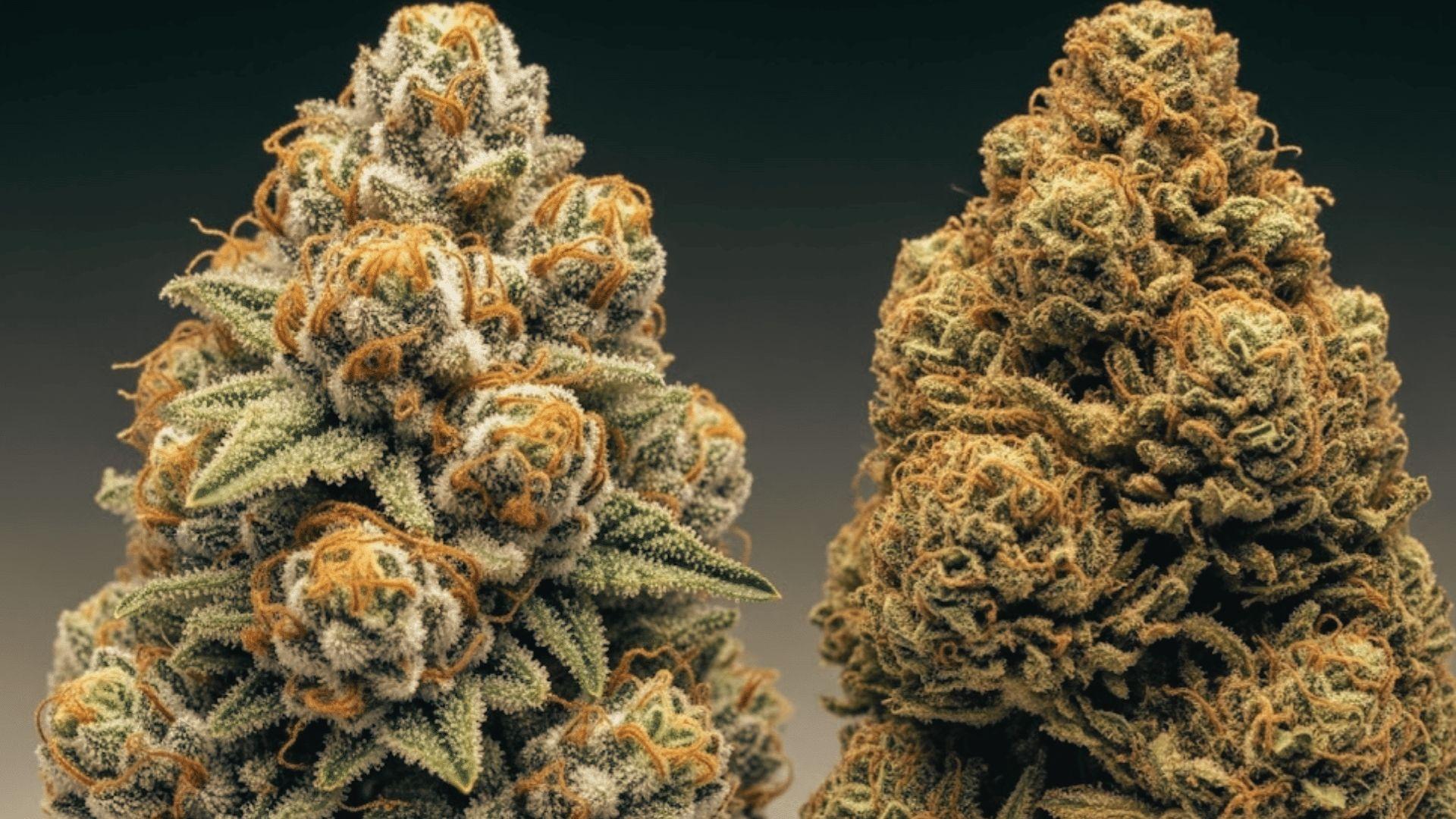
Here's the comparison table:
| Feature | PGR Weed | Non-PGR Weed |
|---|---|---|
| Appearance | Dense, overly packed, looks too perfect | Natural, airy structure with visible trichomes |
| Aroma | Little to no smell | Strong, complex scent with full terpene profile |
| Resin & Trichomes | Sparse, dull trichomes, very little resin | Sticky, shiny trichomes packed with cannabinoids |
| Texture | Hard and spongy, difficult to break apart | Dry but not brittle, grinds well |
| Potency | Low THC and CBD levels | Higher cannabinoid levels, full potency |
| Smoking Experience | Harsh, chemical taste, more coughing | Smooth burn, clean taste, better high |
Knowing the difference between PGR and non-PGR weed can save you from a bad experience. Here is a side-by-side look at what sets them apart.
Appearance and Bud Structure
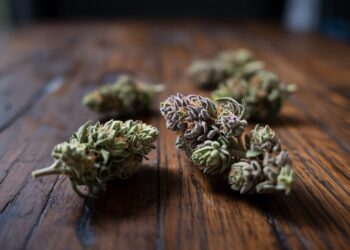
PGR buds look dense and tightly packed. They appear almost too perfect. Non-PGR buds have a more natural, airy structure with visible trichomes and a looser feel that shows real plant growth.
Aroma and Terpene Profile
PGR weed has little to no smell. The chemicals interfere with terpene production, leaving the bud flat and odorless. Non-PGR weed smells strong and complex because terpenes develop fully without any chemical interference.
Resin and Trichome Production
PGR weed produces very little resin. The trichomes are sparse and dull. Non-PGR weed is covered in sticky, shiny trichomes. That resin is where the cannabinoids and terpenes live, so more of it means a better product.
Texture and Density
PGR buds feel hard and spongy at the same time. They do not break apart easily. Non-PGR buds feel dry but not brittle. They grind well and have a natural texture that makes them easier to work with.
Potency and Cannabinoid Content
PGR weed is usually low in THC and CBD. The chemicals slow down cannabinoid development. Non-PGR weed has higher cannabinoid levels because the plant grows as it should, producing compounds at full capacity without interruption.
Overall Smoking Experience
PGR weed burns harsh and leaves a chemical taste. Many people cough more with it. Non-PGR weed burns smoother, tastes cleaner, and gives a more complete high. The difference in experience is clear from the very first hit.
What Does PGR Weed Look Like?
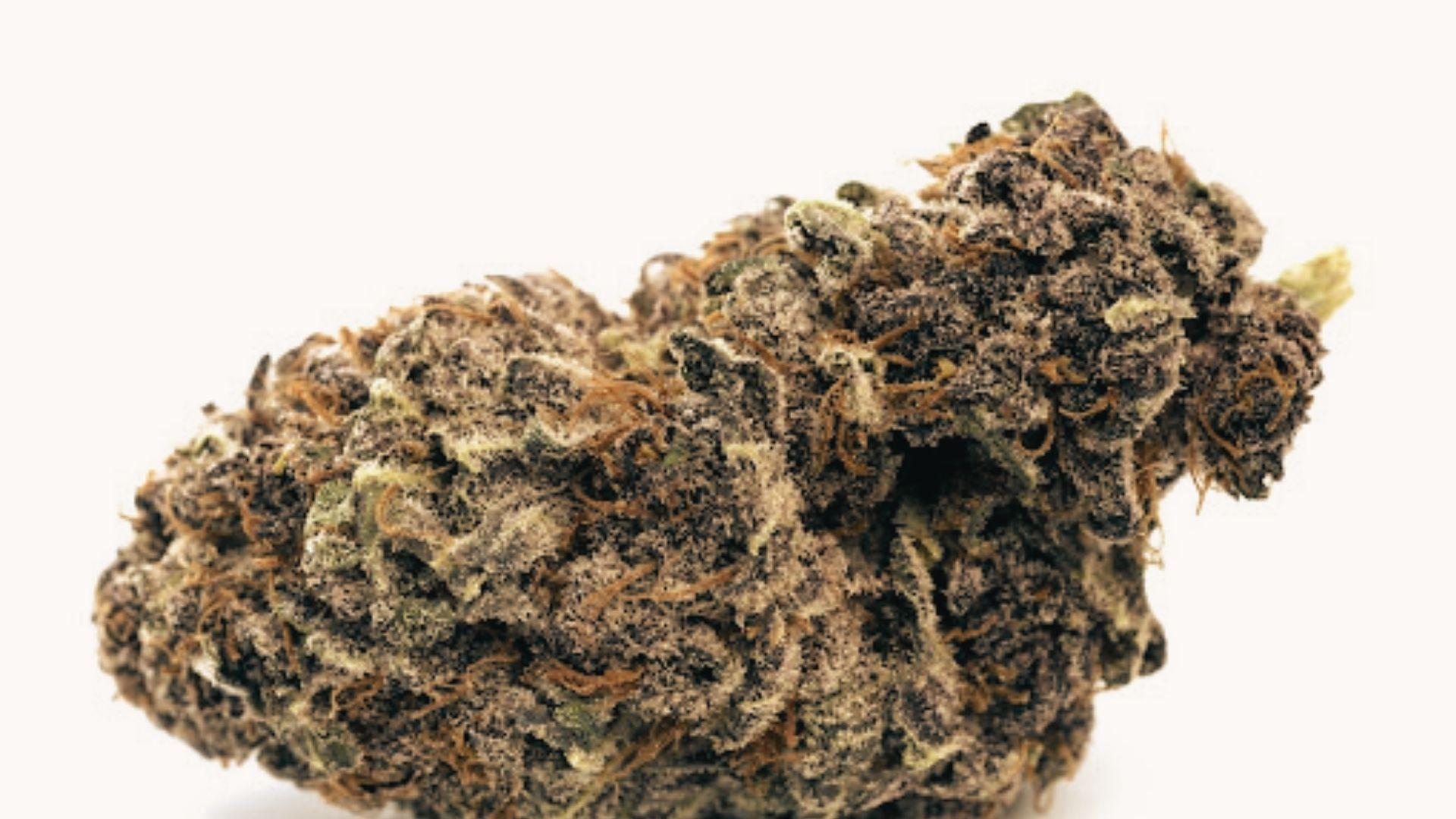
PGR weed has a very distinct look once you know what to check for.
The buds feel rock-hard and dense, almost like a compressed ball. They look rounded and unnaturally compact, nothing like a normally grown bud.
You will also notice an unusually high number of orange pistils covering the surface. Trichomes are barely visible, and the resin is almost nonexistent.
The smell is the biggest giveaway. It is either very weak or has a strange chemical odor to it.
What Does Non-PGR Weed Look Like?
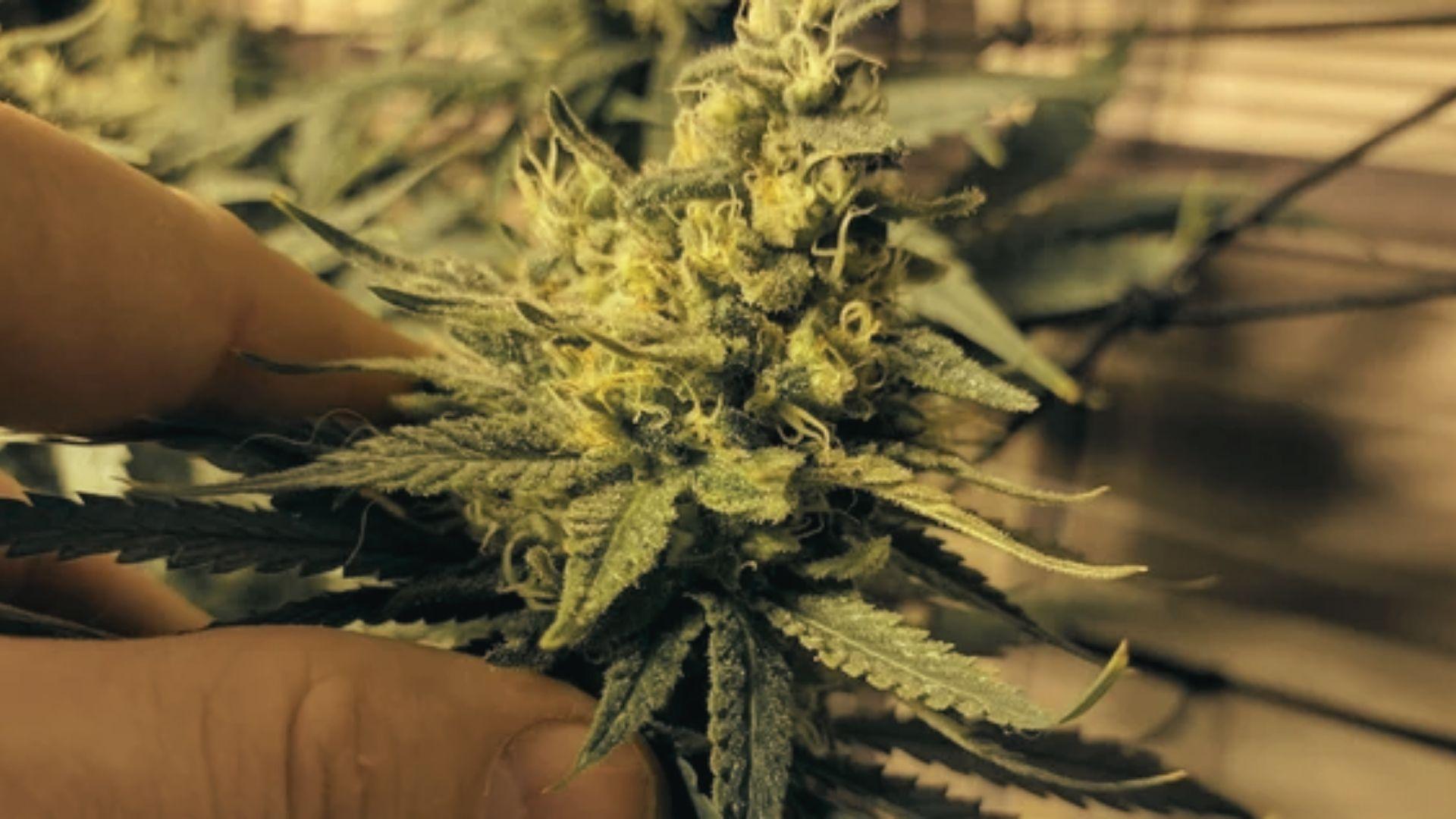
Non-PGR weed has a look and feel that is hard to fake.
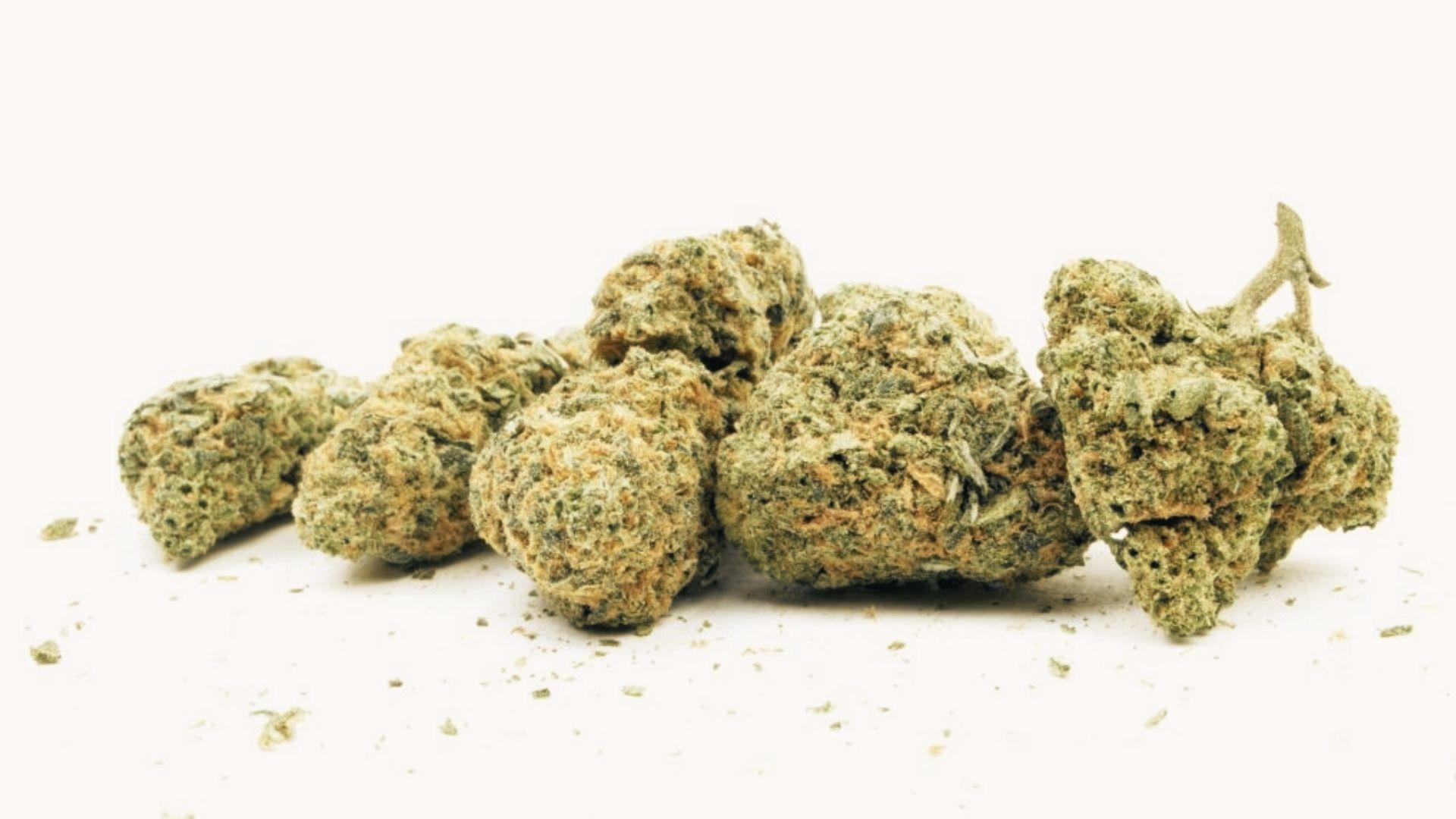
The buds grow in a natural conical shape, not perfectly round or compressed. When you touch them, they feel sticky. That stickiness comes from real resin built up over a proper grow cycle.
Look closely and you will see a frosty white coating. Those are trichomes, and they signal good cannabinoid content.
The smell is strong and layered. The density feels right, firm but not hard as a rock.
Effects of PGR Weed vs Natural Cannabis
- PGRs interfere with the plant's natural development, which cuts down terpene and cannabinoid production. You end up with weed that is chemically altered and biologically weaker.
- The smoke from PGR weed feels rough on the throat. The flavor is bland or chemical, nothing like what good cannabis should taste like.
- Many users say the high from PGR weed feels flat and short. There is no depth to it because the cannabinoids were never able to fully develop.
- Non-PGR cannabis gives a fuller, more layered experience. The terpenes and cannabinoids work together, which makes the high feel more natural and complete.
- Users report smoother hits, better taste, and a longer-lasting effect with non-PGR weed. The overall experience is noticeably cleaner from start to finish.
Is PGR Weed Dangerous?
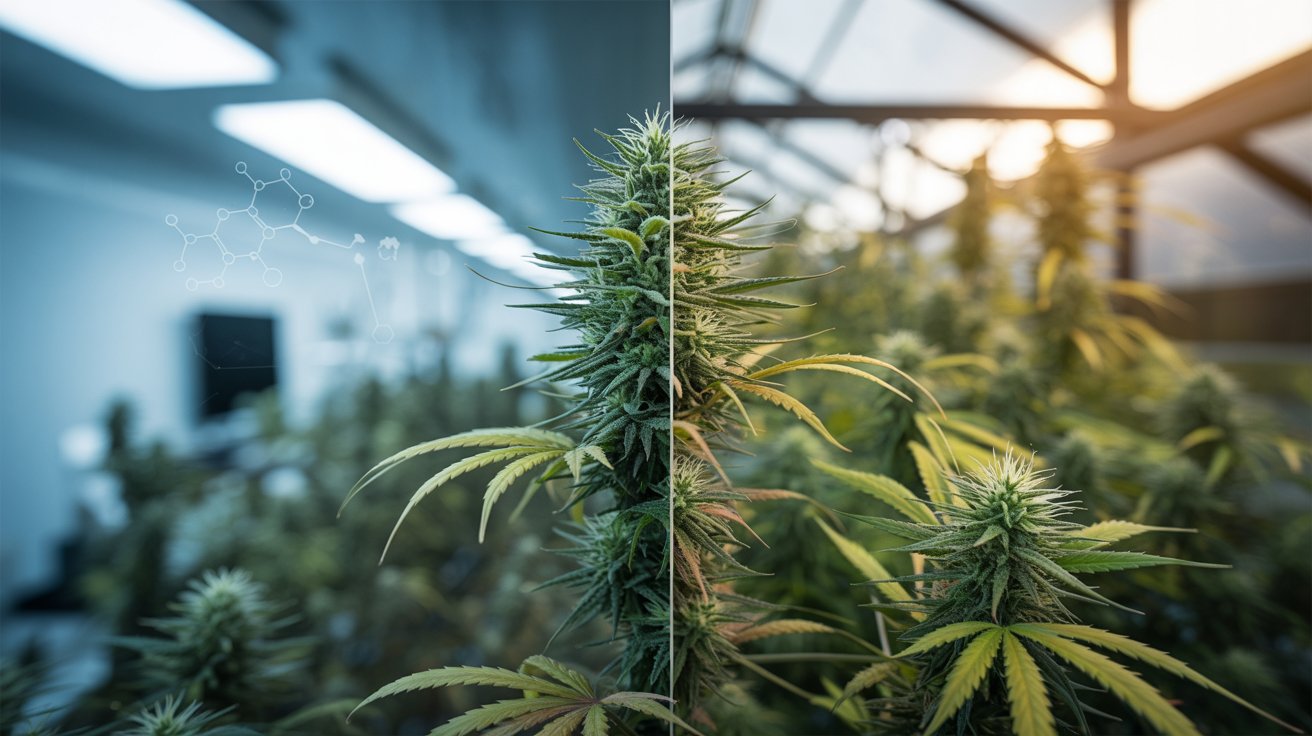
PGR weed carries real health risks that are worth taking seriously.
Synthetic PGRs like Paclobutrazol and Daminozide have been linked to liver damage, hormonal disruption, and even cancer in some studies. These chemicals leave residue on the bud that does not go away after drying or curing.
Several countries have banned or restricted these compounds on food crops for this exact reason.
Short-term, you may feel nausea or throat irritation. Long-term exposure raises much bigger concerns, especially with regular use.
Tips for Buying High-Quality Non-PGR Cannabis
- Always buy from brands that are open about their growing practices. If a brand cannot tell you how their cannabis was grown, that is a red flag worth paying attention to.
- Buds that look too perfect are often a warning sign. Real, naturally grown cannabis has slight variations in shape and size, not a uniform, compressed appearance.
- Learn what healthy cannabis looks like. Good flower has visible trichomes, a natural bud structure, and a color that ranges from green to deep purple with no brown patches.
- A strong, complex smell is one of the best signs of quality. If the weed has little to no aroma, the terpene profile is likely weak or chemically disrupted.
- Sticky resin on your fingers after handling the bud is a good indicator. It means trichome production was healthy and the plant was grown without growth-suppressing chemicals.
Conclusion
After looking at both sides, the choice is pretty clear to me. PGR weed might look good on the outside, but what is inside is not worth the risk.
From weak highs to chemical residue and health concerns, it just does not hold up.
Natural cannabis, grown the right way, gives you a cleaner and fuller experience every time. Always check what you are buying. Your health is worth more than a dense-looking bud.
What has your experience been with PGR vs non-PGR weed? Drop it in the comments below.
Conclusion
Is PGR weed safe to smoke?
No, it is not considered safe. Synthetic PGRs leave chemical residue on the bud that has been linked to liver damage, hormonal issues, and other health risks.
How can I tell if my weed is PGR?
Check for rock-hard buds, very little smell, sparse trichomes, and an unusually high number of orange pistils. These are the most common signs of PGR-grown cannabis.
Does PGR weed get you as high as natural weed?
No, it does not. PGRs slow down cannabinoid development, which means THC and CBD levels are much lower compared to naturally grown cannabis.
Why do some growers still use PGRs?
It comes down to money and speed. PGRs help produce bigger, denser-looking buds in a shorter time, which means higher yields and faster profits for the grower.
What is the safest way to buy non-PGR cannabis?
Buy from transparent brands that share details about their growing process. Look for strong aroma, sticky resin, and visible trichomes as signs of naturally grown, chemical-free cannabis.