Anxiety hits differently for everyone. And finding something that actually helps? That's where most people get stuck.
I spent a lot of time looking into natural options before I came across terpenes. The results surprised me.
In this blog, I'll walk you through the best terpenes for anxiety so you know exactly what to look for.
You'll learn what terpenes are, how they work with THC and CBD, and which ones cannabis communities recommend most.
I'll also cover what to avoid and share beginner tips that make starting out less confusing.
No guessing. No fluff.Just clear, simple information that helps you make a smarter choice.
What Are Terpenes and Why Do They Matter for Anxiety?
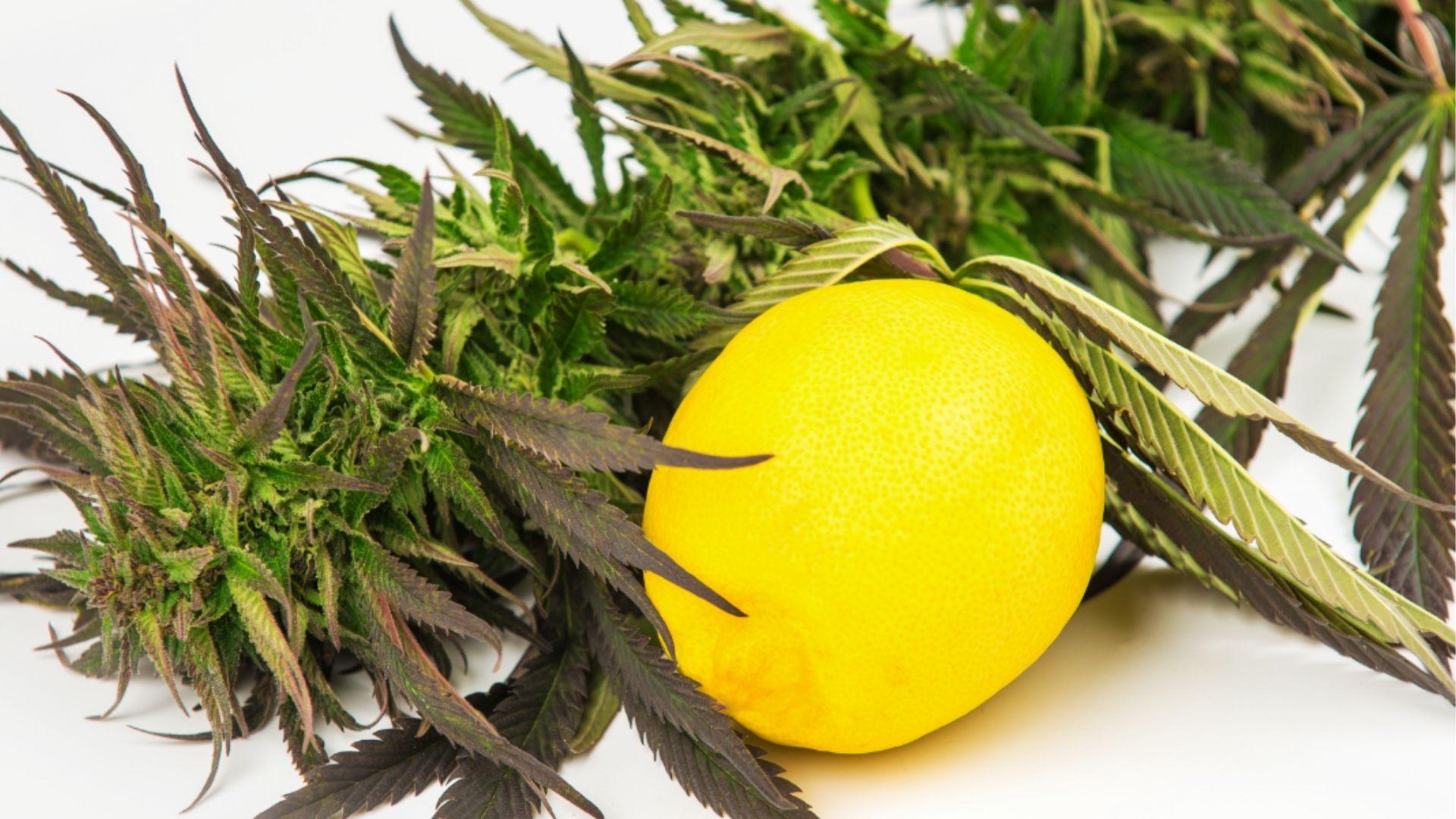
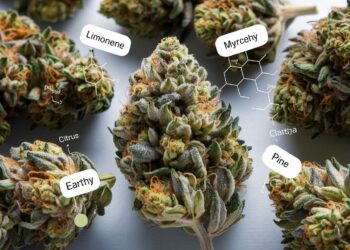
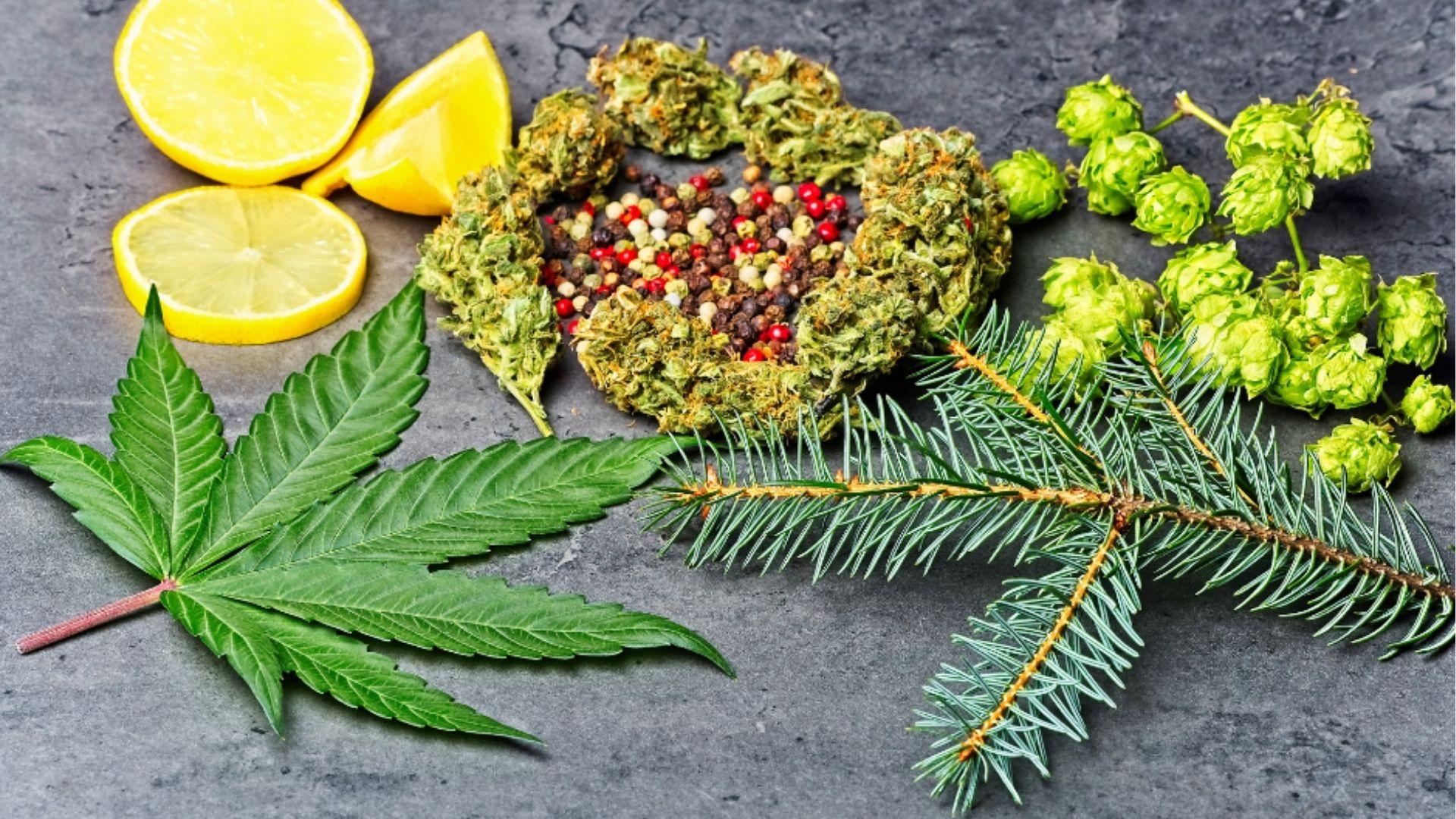
Terpenes are natural compounds found in plants, including cannabis. They give each strain its scent and flavor.
But they also shape how you feel. Terpenes work alongside THC and CBD to influence your mood and body. This is called the entourage effect.
It means the full mix of plant compounds works better together than any single one alone. That's why full-spectrum products get stronger feedback than isolates.
And here's what most beginners miss: the terpene profile of a product often tells you more than the strain name on the label. Names vary. Terpene profiles are more consistent.
List of 7 Best Terpenes for Anxiety Relief
Not all terpenes calm you down the same way. Here are the seven most talked-about ones for anxiety relief.
1. Linalool
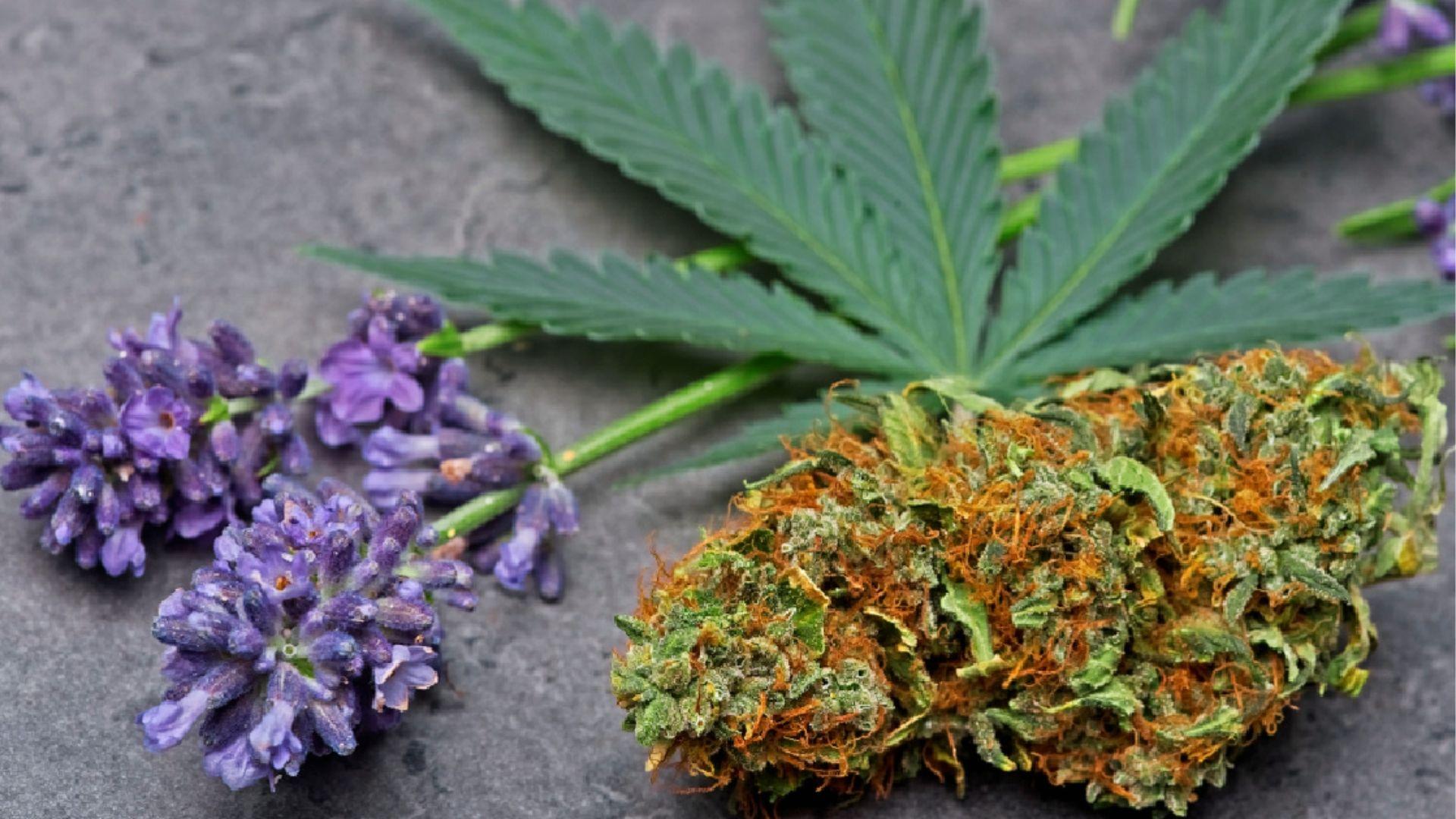
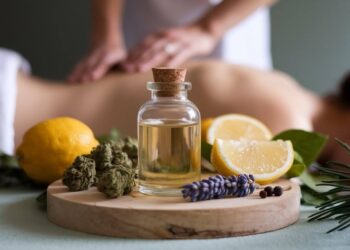
Linalool is a floral terpene most people know from lavender. It's linked to calming effects and nighttime relaxation.
If you struggle with stress or sleep issues tied to anxiety, linalool shows up in nearly every cannabis discussion on this topic.
You'll find it in indica-leaning strains. Many users say it's their go-to for winding down after a rough day.
2. Limonene
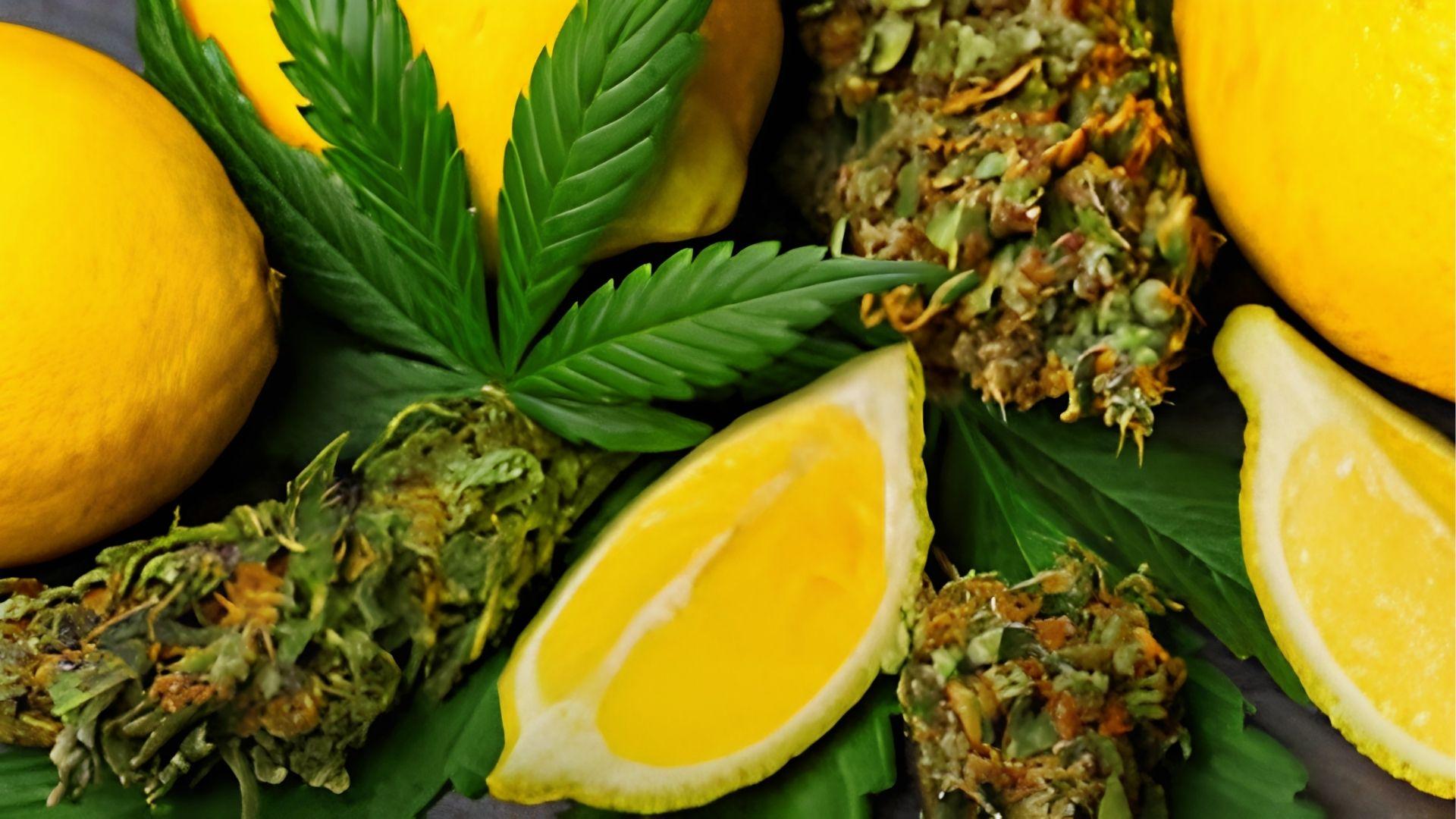
Limonene has a strong citrus scent and a reputation for mood support. It's a popular pick for daytime anxiety because it doesn't feel heavy or sedating.
Some users report that limonene-rich strains also reduce THC-related paranoia.
If you want anxiety relief without feeling couch-locked, limonene-heavy balanced hybrid strains are what cannabis communities recommend most.
3. Caryophyllene

Caryophyllene has a peppery, spicy scent. What makes it stand out is that it interacts with CB2 receptors in your body.
Users mention it often for stress-related tension and relaxation without heavy sedation. If you want to feel calmer but still functional, caryophyllene-rich strains are a solid option.
Earthy and spicy cannabis profiles are usually where you'll find it most.
4. Myrcene
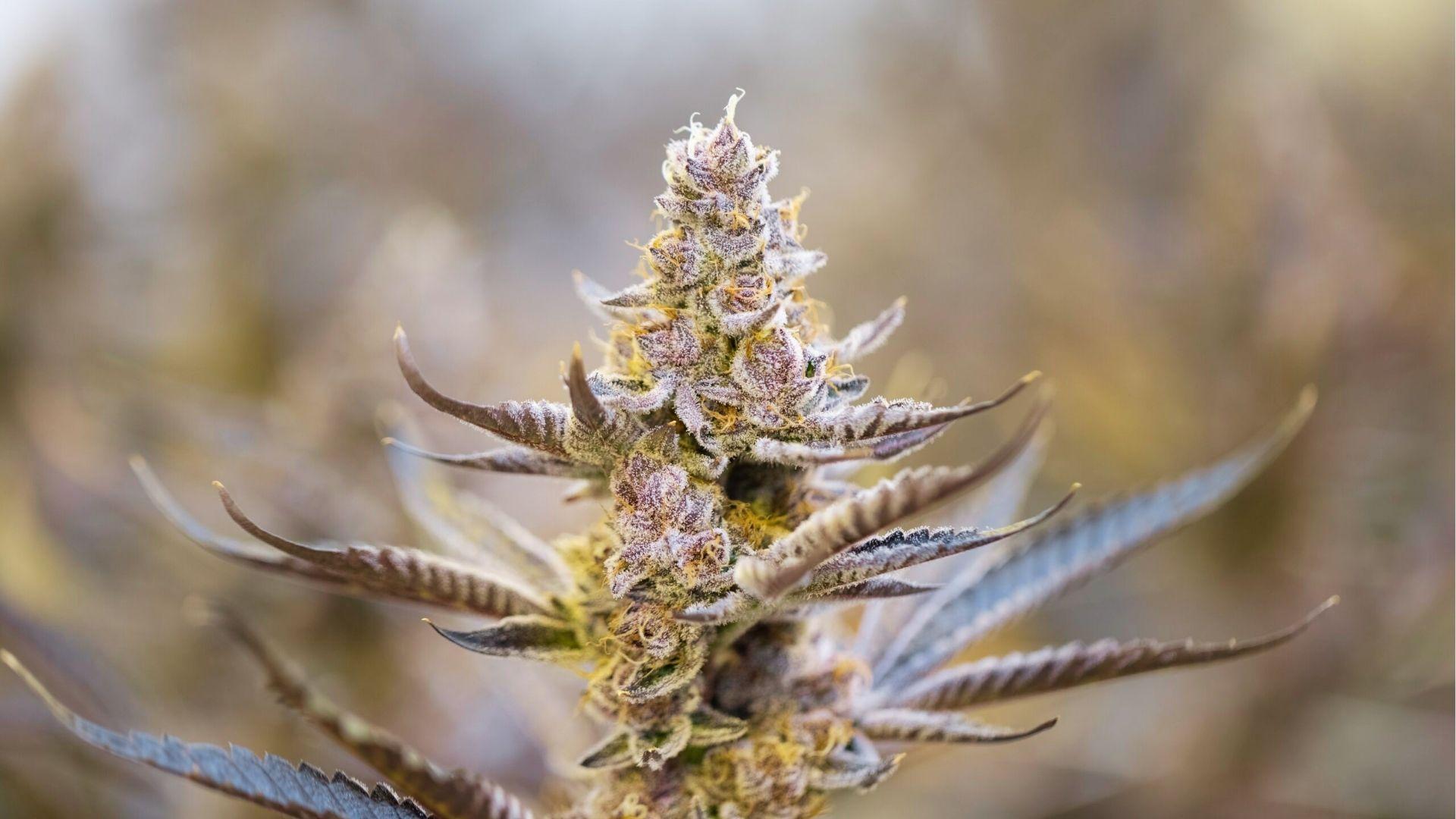
Myrcene is earthy and deeply relaxing. It's one of the most talked-about terpenes for evening anxiety and sleep trouble.
Many users describe myrcene-heavy strains as producing strong body relaxation, sometimes called couch-lock.
If your anxiety spikes at night and you need to fully switch off, myrcene is a terpene worth paying close attention to. It's popular among people looking to unwind after stressful days.
5. Pinene
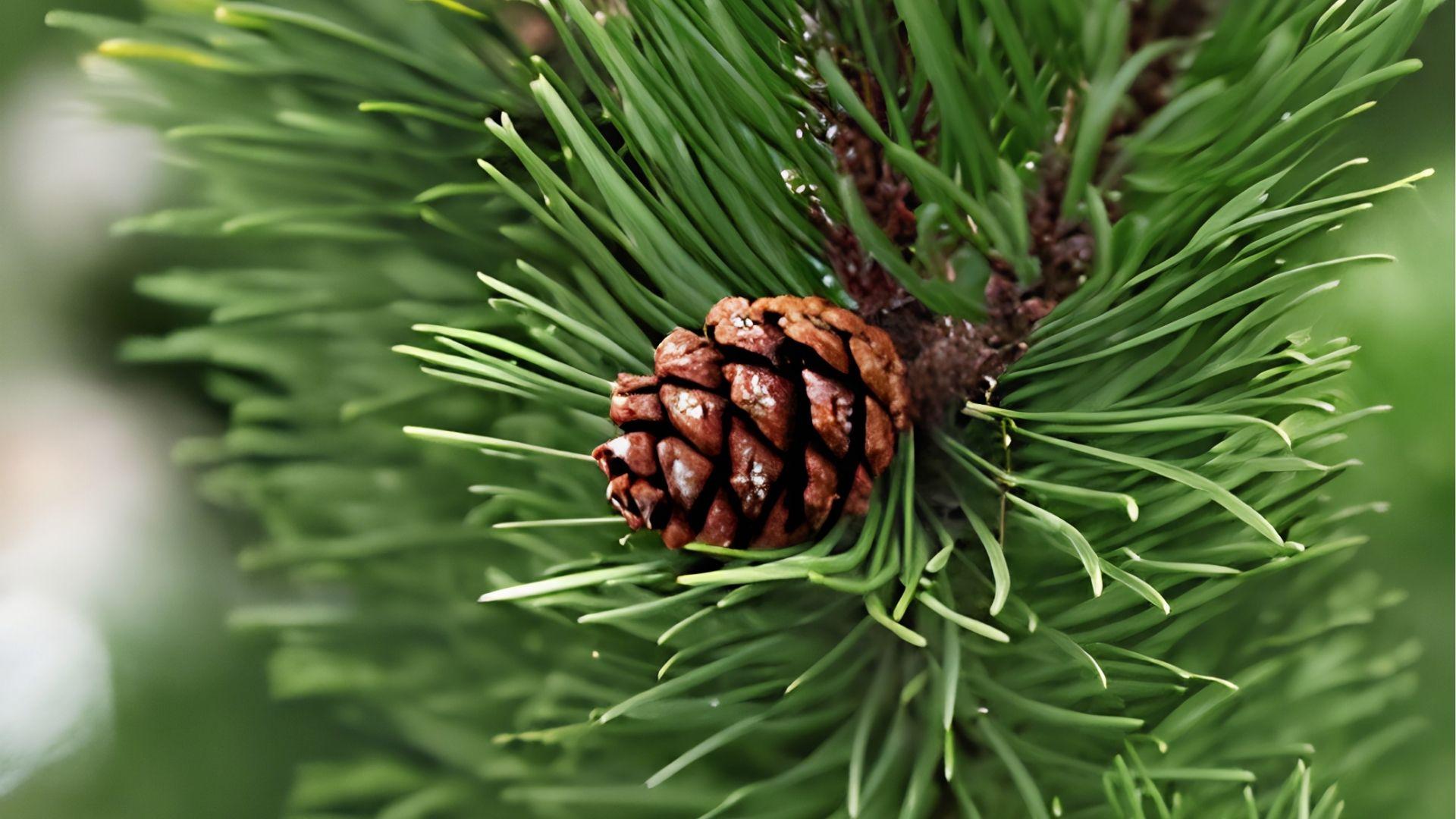
Pinene smells like pine trees. It's often linked to mental clarity and focus rather than sedation. Some users report that pinene helps quiet racing thoughts without making them feel drowsy.
But it can feel stimulating for sensitive users, so starting small matters here.
You'll see pinene discussed most in productivity-focused cannabis spaces and daytime-use conversations.
6. Terpineol
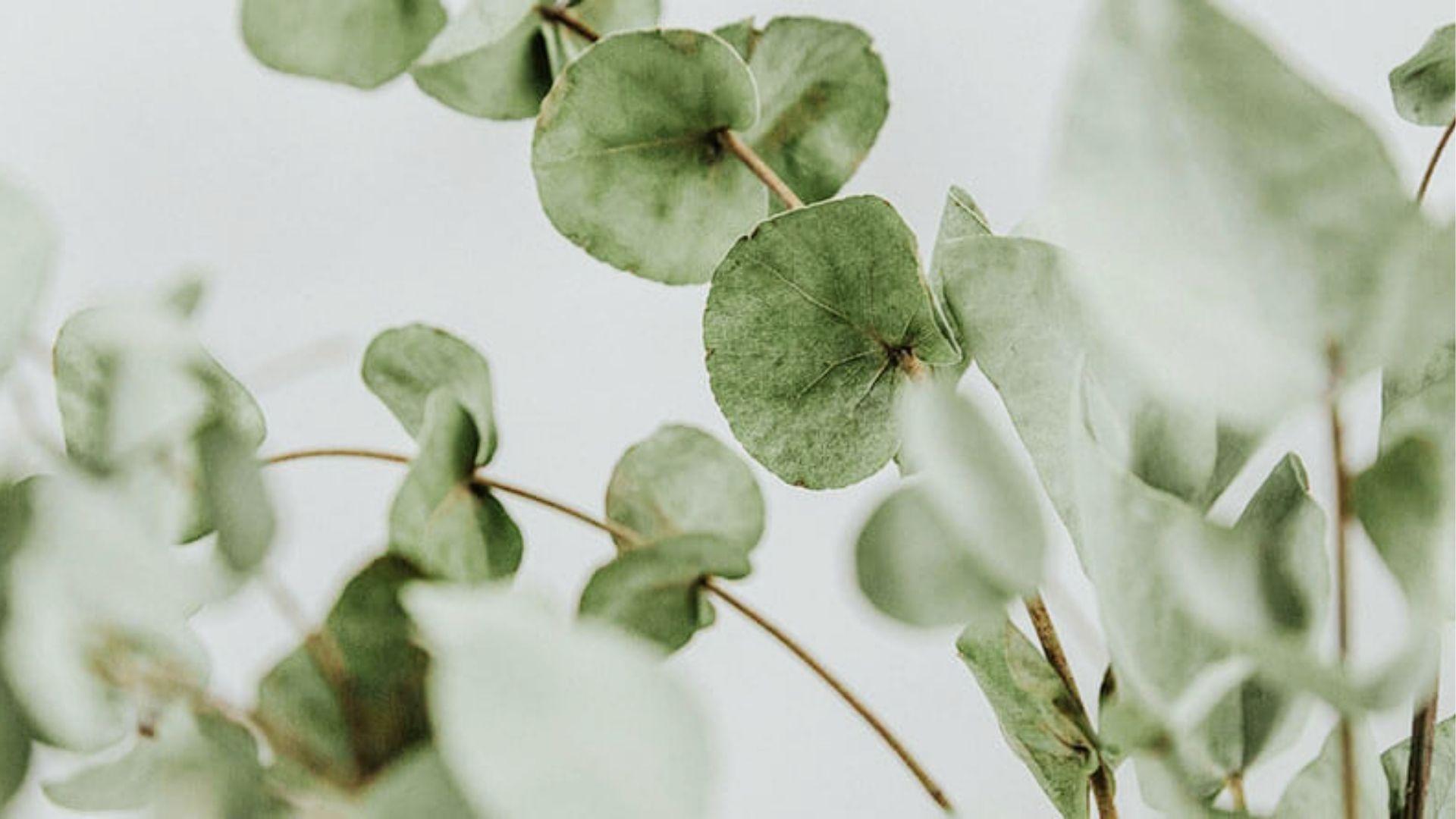
Terpineol is a mild floral terpene. It's less common than linalool or limonene but appears regularly in calming cannabis profiles.
Users mention it for stress reduction and physical relaxation. It often shows up alongside linalool in the same strains, so the two work together naturally.
If you're building a calming terpene routine, terpineol is worth knowing about.
7. Ocimene
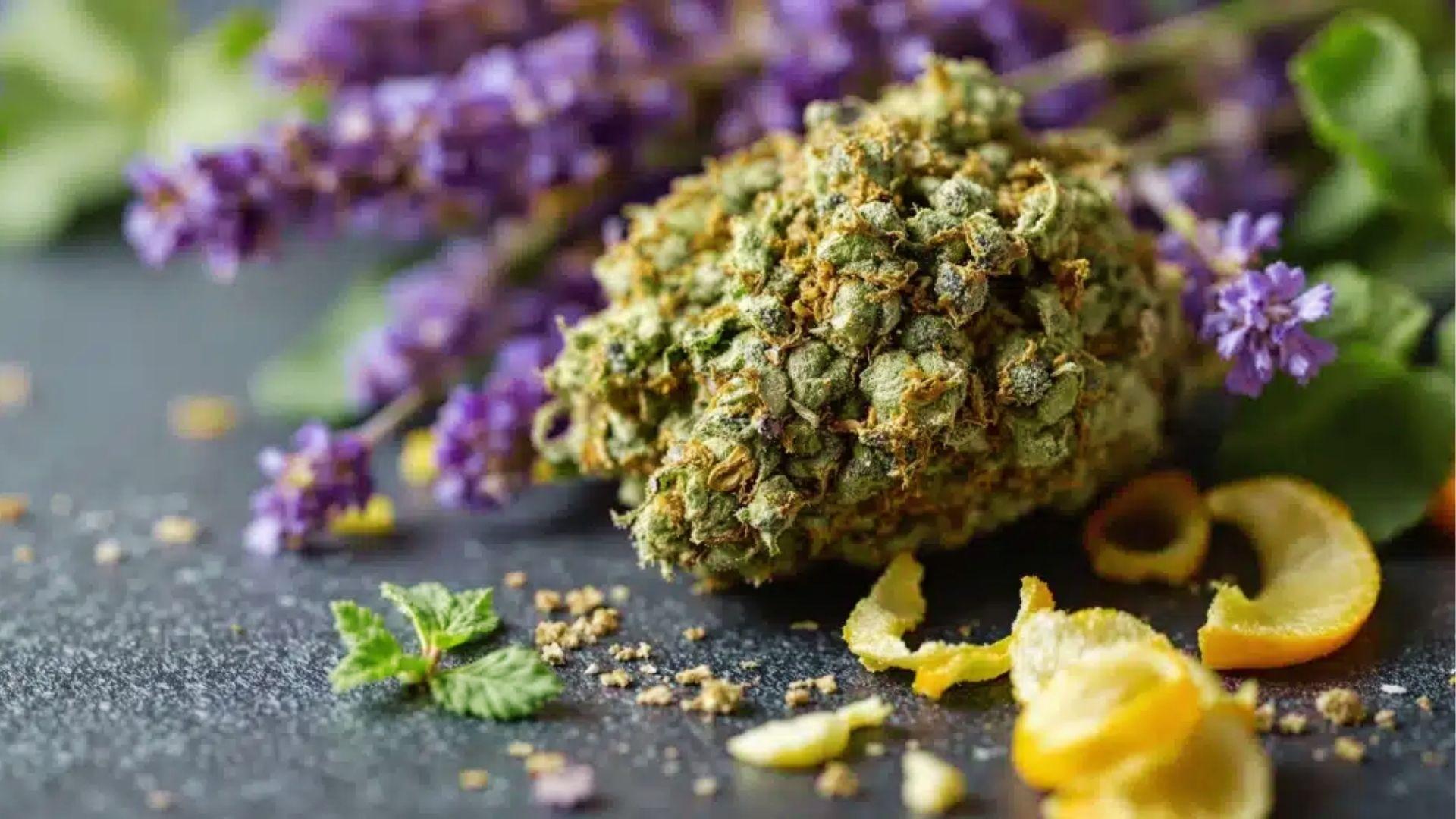
Ocimene is sweet and herbal. It shows up in some uplifting hybrid strains and is liked by users who want a mood lift without heavy sedation.
In small amounts, it can feel energizing. But for anxiety-prone users, too much stimulation can backfire. Balanced use is key.
You'll see ocimene mentioned most in hybrid strain discussions and daytime mood conversations.
What Cannabis Communities Say About Anxiety-Friendly Terpenes
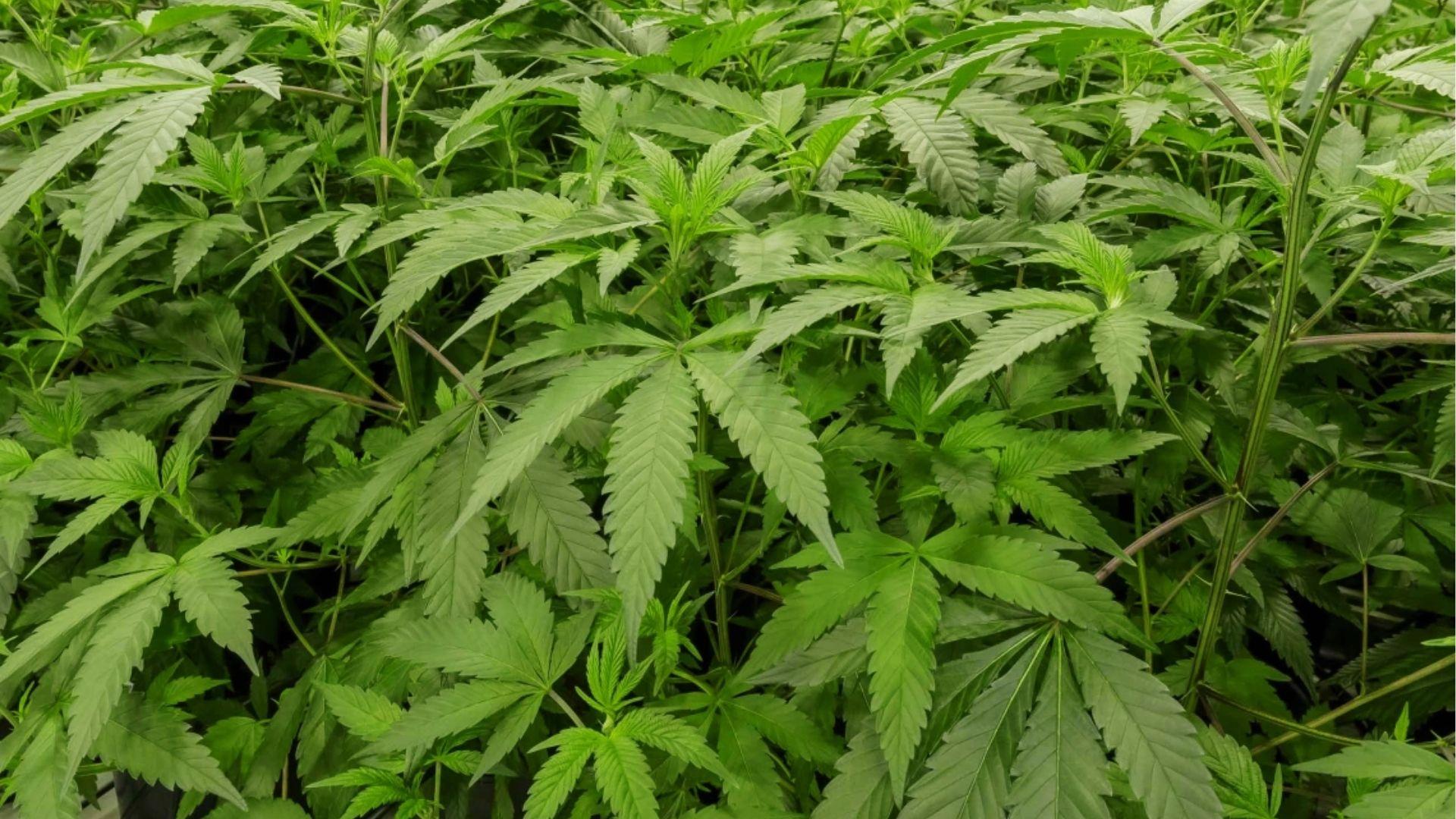
Terpene experiences vary a lot from person to person. Body chemistry, tolerance, and anxiety type all play a role.
That said, certain combinations keep coming up. Linalool paired with caryophyllene is a common nighttime recommendation.
Limonene with pinene gets mentioned often for daytime use. Many users strongly suggest starting with low-THC or balanced THC-CBD products before adding high-terpene strains into the mix.
Beginners get this advice the most. Most communities also separate suggestions into daytime versus nighttime terpene stacks, which makes a lot of sense if anxiety timing matters to you.
Terpenes That May Increase Anxiety for Some Users
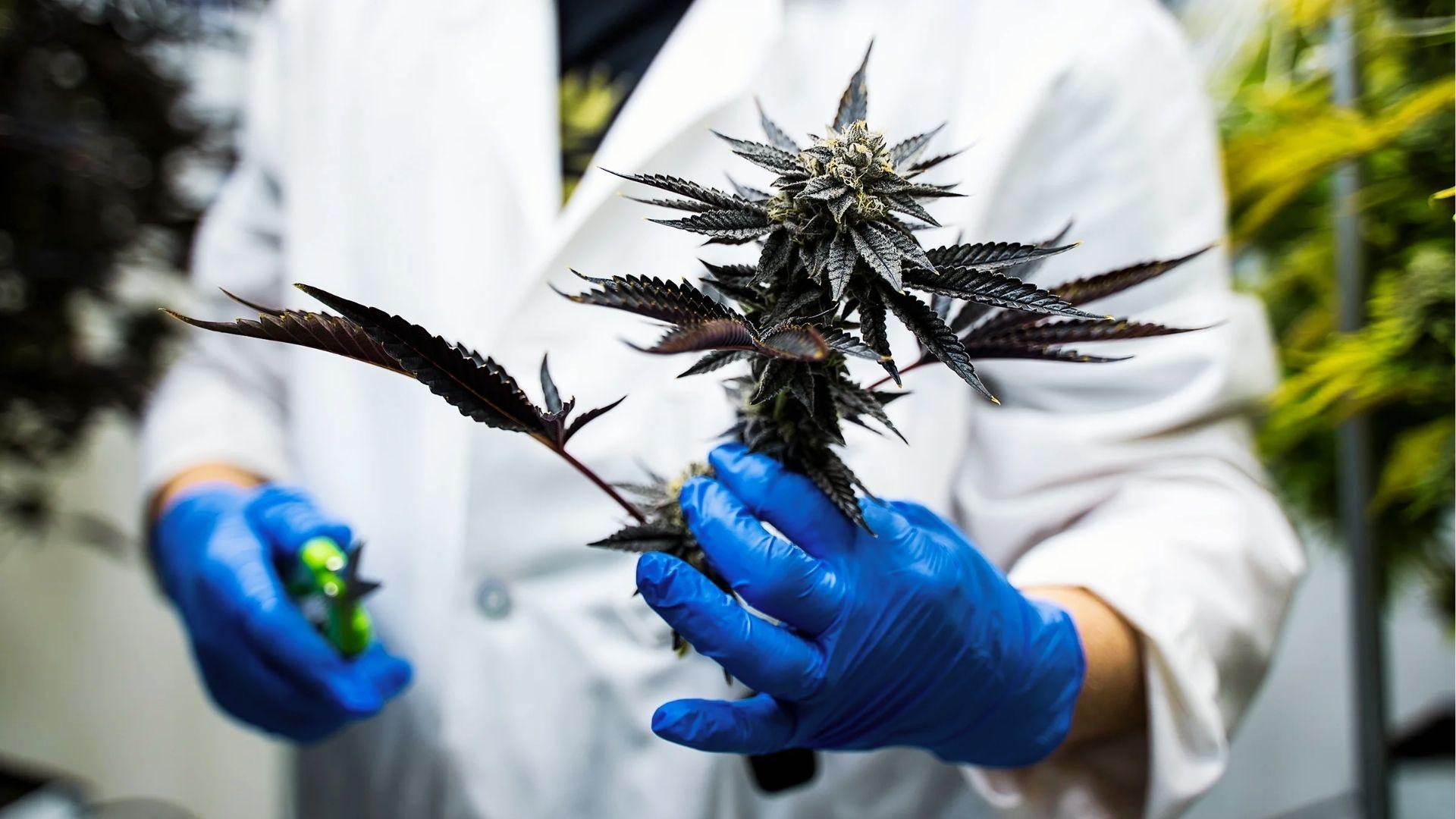
Not every terpene is calming. Some can make anxiety worse, especially in higher amounts or for sensitive users.
High Levels of Terpinolene
Terpinolene can feel overly stimulating. For someone who already deals with anxiety, a terpene that ramps up alertness isn't always helpful.
Cannabis communities often flag terpinolene as one to approach carefully.
It's not bad for everyone, but if you're sensitive to stimulation, high-terpinolene strains may leave you feeling more on edge than calm. Start low and see how your body responds.
Excess THC Without Calming Terpenes
High-THC products without balancing terpenes are a common trigger for anxiety and paranoia. THC on its own can amplify anxious thoughts, especially in new users.
When there's no linalool, caryophyllene, or limonene to offset it, the experience can go in the wrong direction quickly.
This is why checking the full terpene profile matters far more than just looking at the THC percentage.
Tips for Beginners Using Cannabis for Anxiety
Starting small and staying informed makes all the difference when you're new to this.
- Choose balanced THC and CBD products: A 1:1 or CBD-dominant ratio is a safer starting point. It lowers the risk of THC making anxiety worse.
- Avoid overstimulating strains at first: High-terpinolene or high-THC options can backfire. Keep it simple early on.
- Focus on terpene profiles, not strain names: Names vary by brand. Lab-tested profiles tell you what's actually inside.
- Track what works for you: Write down the terpenes, dose, and how you felt. Patterns show up faster than you'd think.
- Buy from brands with lab testing: Always check for a certificate of analysis. No lab results means no transparency.
Small steps and honest tracking will take you further than any trial-and-error approach alone.
Conclusion
I know how overwhelming it feels to search for anxiety relief and not know where to start. I've been there too.
The good news is that the best terpenes for anxiety give you a real starting point. Linalool, caryophyllene, and limonene are worth trying first.
Start low, track what works, and build from there. You don't need to get it right on day one. If this helped you, drop a comment below and share your experience.
Share this post with someone who might need it too.
Frequently Asked Questions
What are the best terpenes for anxiety?
Linalool, limonene, and caryophyllene are the most talked-about terpenes for anxiety relief in cannabis communities.
Can terpenes alone help with anxiety without THC?
Yes, terpenes exist in many non-cannabis products like essential oils, and some users report calming effects without any THC.
Is myrcene good for daytime anxiety?
Myrcene is better suited for nighttime use since it tends to produce heavy body relaxation and can cause drowsiness.
How do I check the terpene profile of a cannabis product?
Look for a certificate of analysis (COA) from a third-party lab, which lists terpene types and their percentages clearly.
Can terpenes make anxiety worse?
Yes, high levels of terpinolene or high-THC products without calming terpenes can trigger more anxiety in sensitive users.