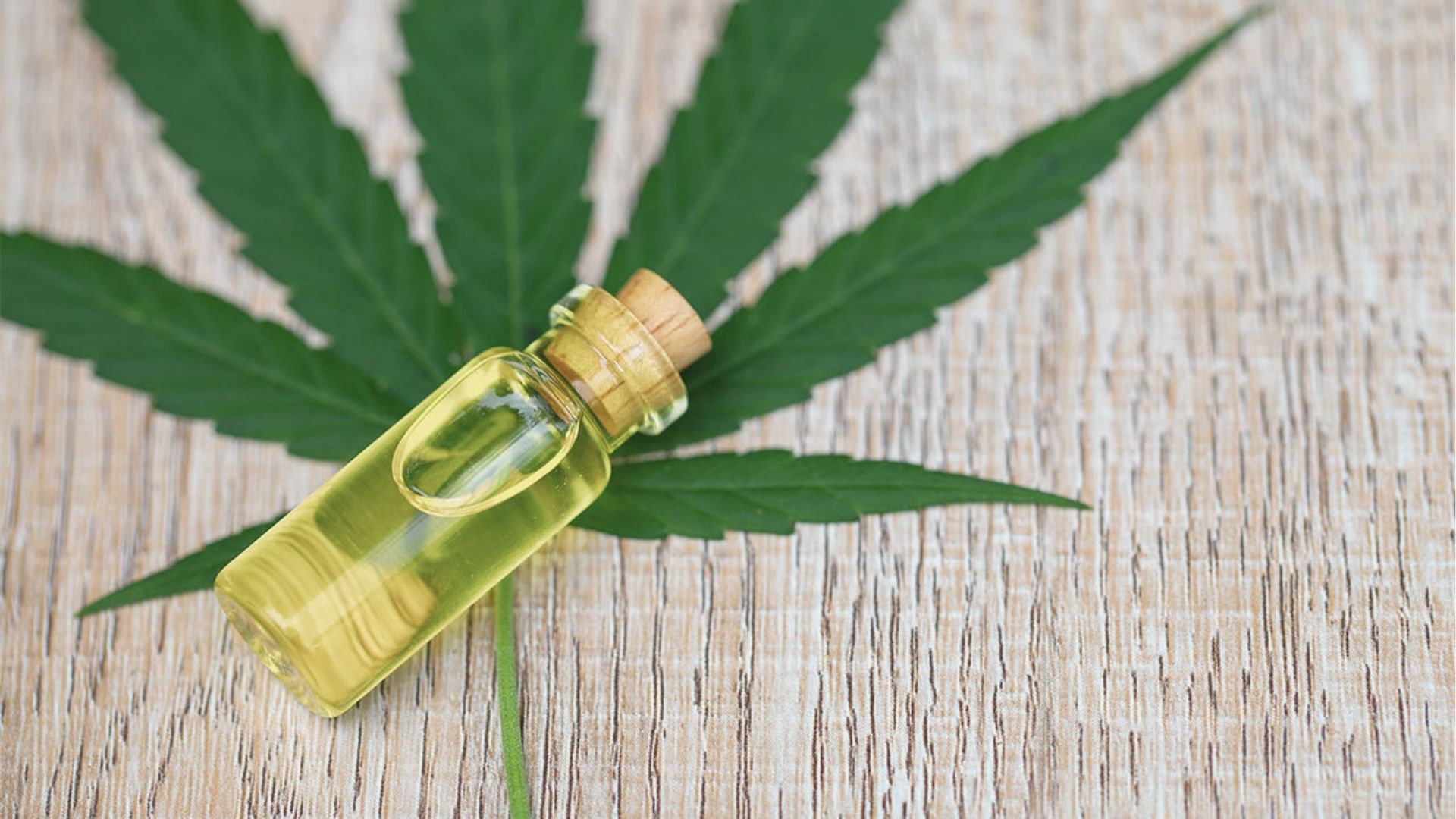
If you’ve ever opened a bottle of CBD oil and thought, “Wait, does this smell like weed?” you’re not alone. Many people ask this exact question.
In this guide, I’ll break down why CBD oil can smell similar to cannabis, what causes it, and how to pick a product that fits your lifestyle.
I’ve spent time researching CBD products, and I want to give you clear, honest answers. No fluff. No confusion.
You’ll learn about terpenes, CBD types, storage tips, and how to choose quality products. By the end, you’ll know exactly what to expect.
Does CBD Oil Smell Like Weed?
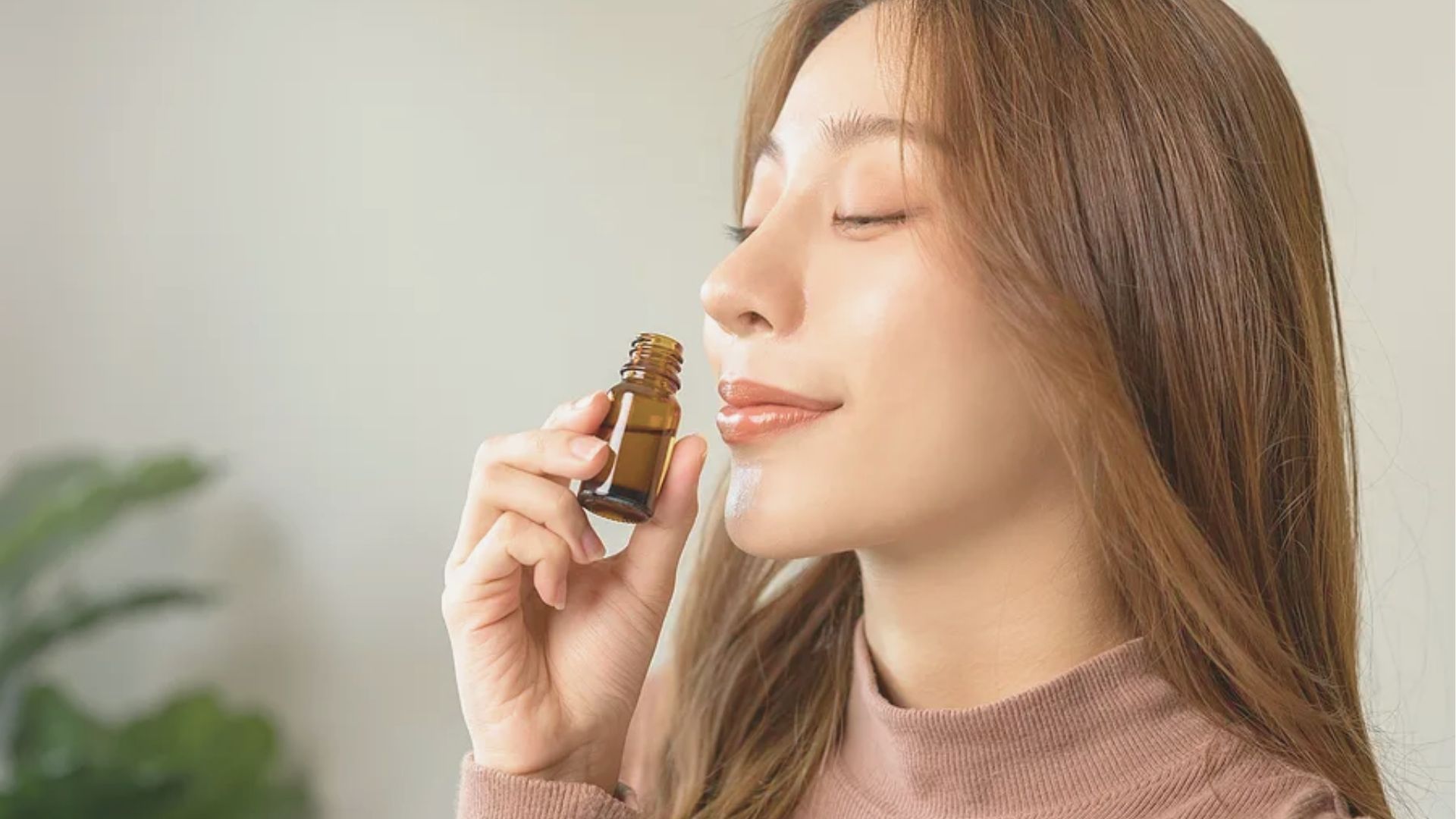
CBD oil and weed can smell similar, but they are not the same thing. The smell depends on the type of CBD, how it was made, and what ingredients were added.
Both come from the cannabis plant family and share many of the same natural compounds called terpenes. These create the earthy, skunky smell many people recognize. Full-spectrum CBD oil keeps most of these compounds, so it smells the most like cannabis.
Not all CBD oils smell strong though. CBD isolate has almost no smell because everything except pure CBD has been removed. Broad-spectrum falls in between. Flavored oils with mint, citrus, or vanilla can mask the plant smell almost completely.
One important thing to know: smell has nothing to do with getting high. THC is what causes psychoactive effects, not scent. Legal CBD oil contains less than 0.3% THC. That is not enough to cause a high, no matter how strong the smell is.
Why CBD Oil Has a Cannabis-Like Smell
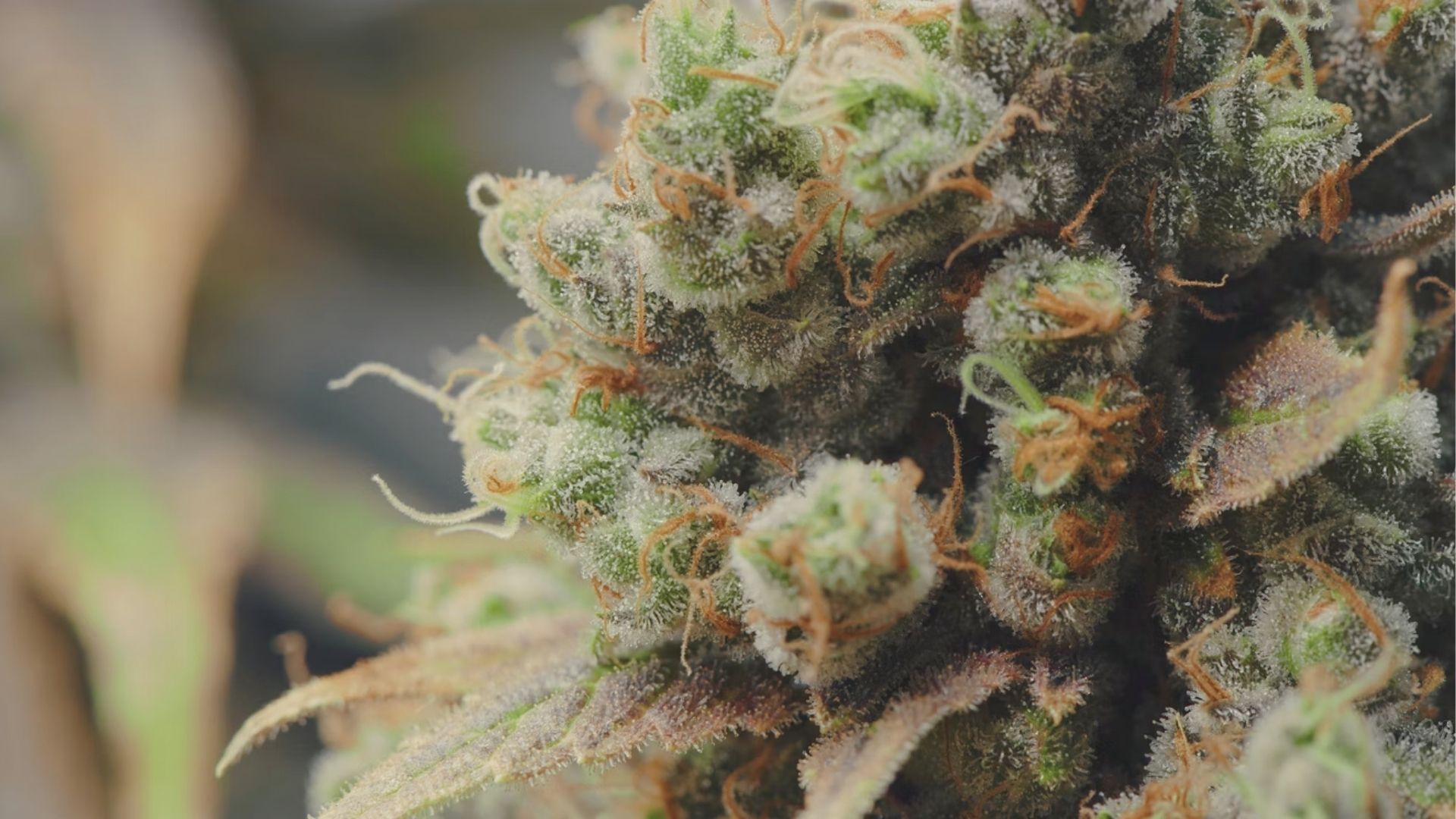
CBD oil often smells like cannabis because of what’s inside it. The plant compounds carry a strong natural aroma.
What Terpenes Are
Terpenes are natural oils found in many plants, not just cannabis. They give plants their smell and flavor. Think of lavender, pine trees, or citrus fruits. Those scents come from terpenes.
Cannabis has over 100 different terpenes. Many of them carry over into CBD oil during production.
How Terpenes Affect Aroma
Each terpene has its own scent. When multiple terpenes are present in one product, they mix and create a complex smell.
This is why some CBD oils smell earthy, some smell piney, and others have a citrus kick. The combination of terpenes in each product creates its specific aroma profile.
Common Scents Found in CBD Oil
Here are the most common scents you might notice:
Earthy: A deep, soil-like smell. Very common in full-spectrum oils.
Herbal: Smells like fresh herbs or green plants. Often found in raw or unfiltered CBD oils.
Citrus: A bright, lemon or orange scent. Comes from terpenes like limonene.
Pine: A clean, woody smell. Comes from pinene, a terpene also found in pine trees.
Skunky: A sharp, strong smell similar to marijuana. This usually comes from myrcene and other cannabis terpenes.
Hemp vs Marijuana Smell: What’s the Difference?
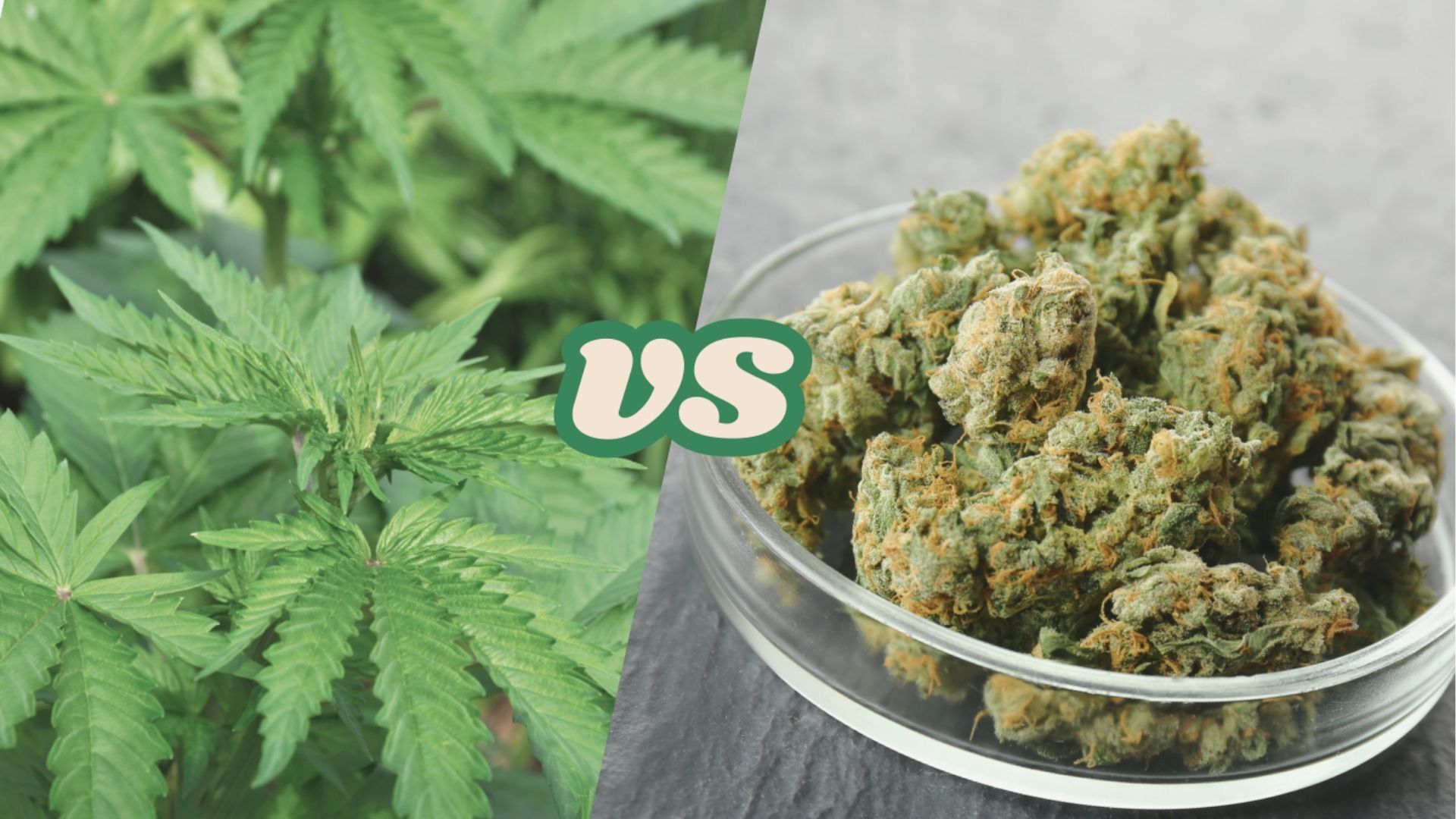
Hemp and marijuana look and smell very similar. But they are legally and chemically different.
|
Feature |
Hemp CBD |
Marijuana |
|
THC Level |
Under 0.3% |
Up to 30%+ |
|
Legal Status |
Federally legal |
Varies by state |
|
Gets You High |
No |
Yes |
|
Smell |
Cannabis-like |
Cannabis-like |
|
Main Use |
Wellness |
Recreational or medical |
Types of CBD Oil and How They Smell
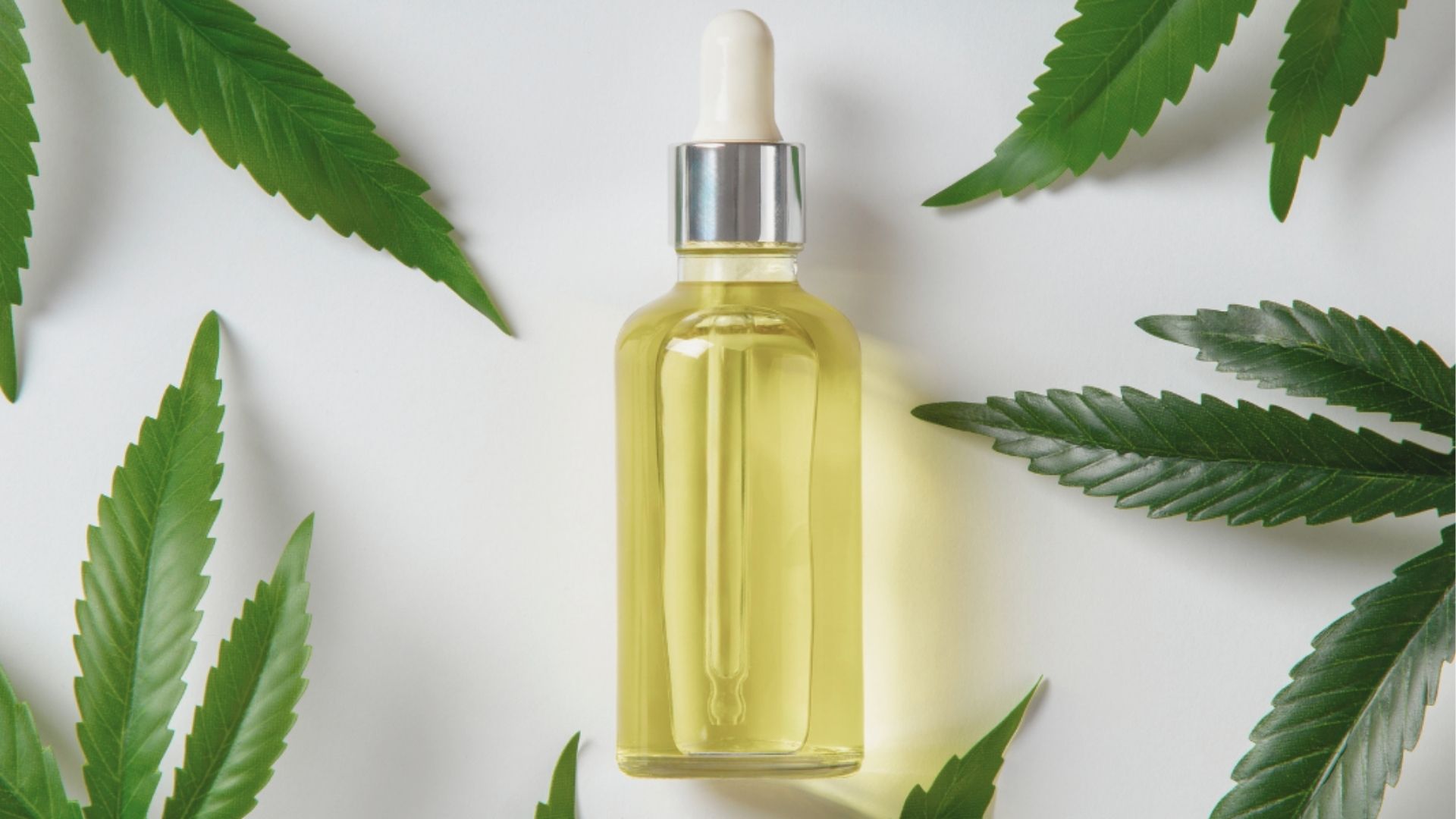
Not all CBD oils are made the same way. The type of CBD affects the smell more than anything else.
Full-Spectrum CBD Oil
This type contains everything from the hemp plant. That includes terpenes, cannabinoids, and trace amounts of THC. Full-spectrum CBD oil has the strongest smell. It smells the most like cannabis because nothing has been removed.
Broad-Spectrum CBD Oil
Broad-spectrum oil has most of the plant compounds but no THC. It still contains terpenes. So it does have a noticeable cannabis-like smell. But it’s usually not as strong as full-spectrum.
CBD Isolate Oil
CBD isolate is the purest form of CBD. Everything else has been filtered out. This means no terpenes, no THC, and almost no smell. If you want a CBD oil with very little odor, isolate is the best option.
Which CBD Type Smells Strongest?
Full-spectrum CBD oil smells the strongest. Broad-spectrum is next. CBD isolate has the least smell. This is a simple but important fact to remember when shopping for CBD.
Factors That Affect the Smell of CBD Oil
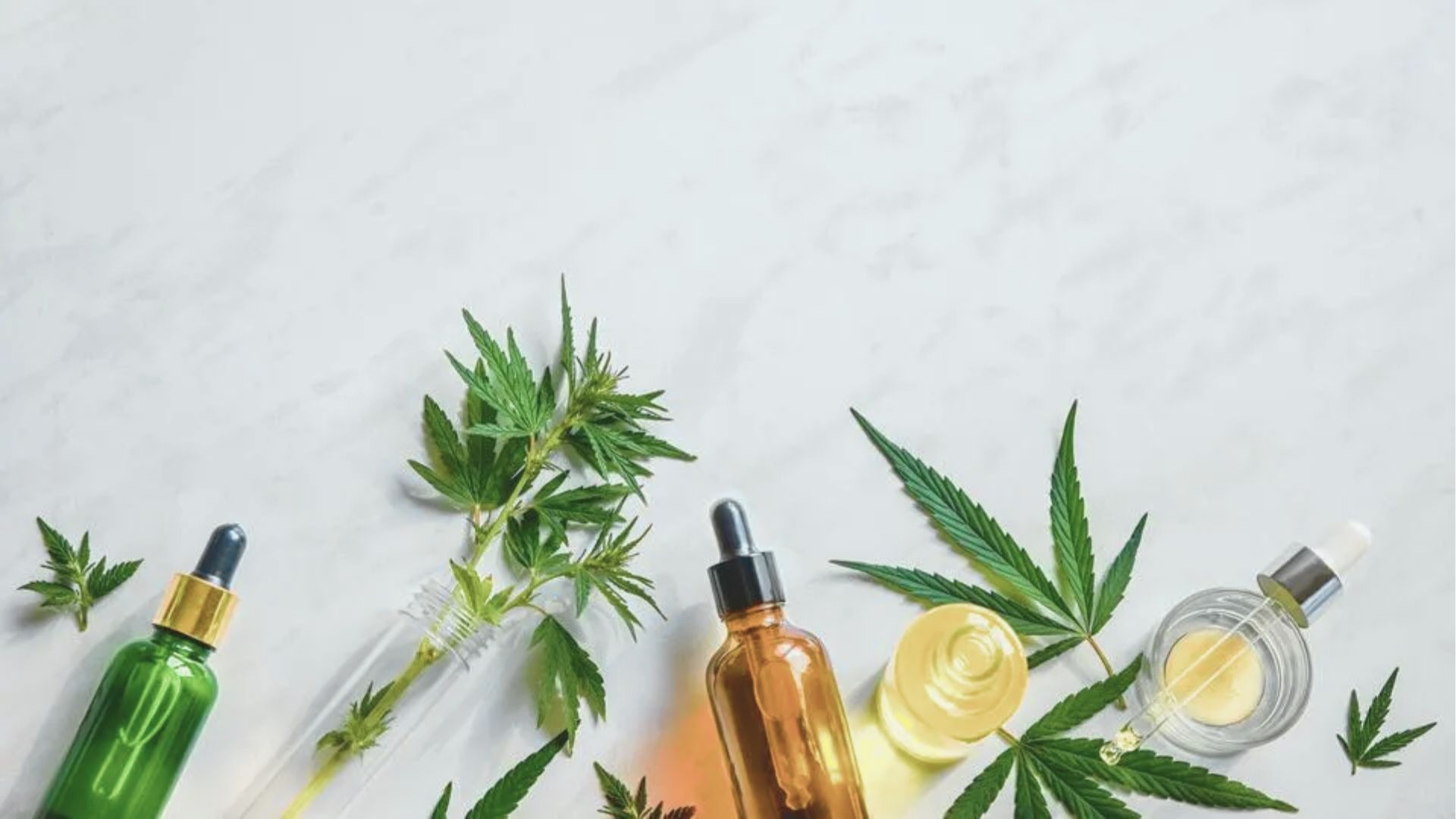
Several things can change how a CBD oil smells. It’s not just about the type of CBD.
Hemp Strain and Plant Quality
Different hemp strains produce different terpene profiles. Some strains are naturally more pungent.
High-quality hemp that is grown well often has a richer, more noticeable aroma. Lower-quality hemp may smell musty or flat.
Extraction Methods
How the CBD is pulled from the plant matters. CO2 extraction is the most common method. It preserves terpenes well, so the oil retains more of its natural smell.
Solvent-based extractions may alter or reduce the aroma.
Carrier Oils Used in CBD Products
CBD extract is usually mixed with a carrier oil. Common choices include hemp seed oil, MCT oil, and olive oil. Each carrier oil has its own smell. Hemp seed oil has a nutty, earthy scent.
MCT oil is mostly odorless. This mixing can either add to or reduce the cannabis smell.
Added Flavorings and Ingredients
Many brands add natural or artificial flavors to their products. These can fully cover the natural hemp smell. Peppermint, berry, and citrus are popular flavoring choices.
If smell is a concern for you, flavored oils are a good option.
Storage Conditions and Freshness
How you store CBD oil affects its smell over time. Exposure to heat, light, and air can break down terpenes. This can change the smell or make it go bad.
A fresh bottle of quality CBD oil will smell cleaner and more pleasant than an old or improperly stored one.
What Does CBD Oil Usually Smell Like?
Most people describe CBD oil as natural and plant-based. The most common smell is earthy and grassy, like fresh soil or cut grass. This comes directly from hemp plant compounds.
Some oils have bright citrus or fruity notes. These come from terpenes like limonene and terpinolene. Think of a fresh lemon or orange peel.
Others can smell sharp and skunky. This comes from terpenes like myrcene. It does not mean the product is bad. If strong smells bother you, go for isolated or flavored CBD options.
Will CBD Oil Make You Smell Like Weed?
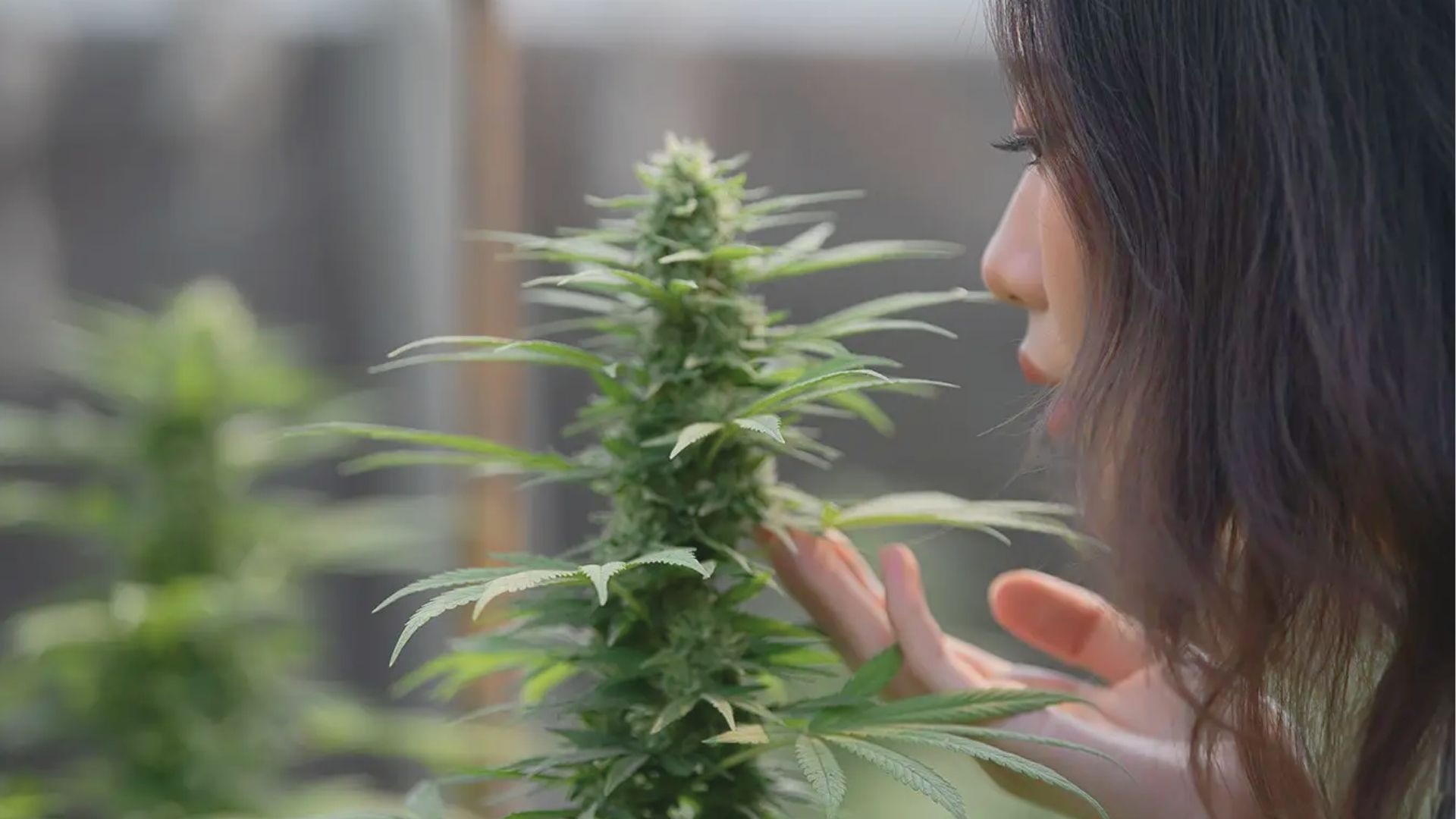
This is one of the most common concerns people have. The answer depends on how you use it.
Taking CBD oil under your tongue leaves only a mild herbal scent for a few minutes. Most people around you won’t notice.
Vaping CBD produces more noticeable vapor that smells similar to cannabis, but it clears the air quickly. Smoking hemp flowers is the strongest of all. The smoke clings to your clothes and hair and is hard to hide.
Capsules and gummies have no smell at all. CBD drops are mild and only noticeable up close. Choose your method based on how much privacy you need.
Which CBD Products Smell the Least?
If you want a low-odor option, there are plenty of choices.
CBD Isolate Products
CBD isolate is nearly odorless. Products made with isolate will not smell like cannabis at all. This is the top pick for anyone who wants CBD without the plant smell.
CBD Capsules and Softgels
Capsules are sealed. The smell stays locked inside. You won’t smell anything when you take them. They’re also easy to carry discreetly.
Gummies and Flavored Edibles
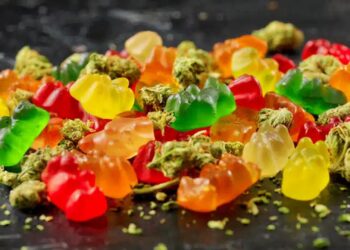
Gummies are made with fruit flavors, sugar, and other ingredients. They don’t smell like weed at all. They smell like candy. This makes them one of the most discreet CBD options available.
THC-Free Broad-Spectrum Options
Some broad-spectrum products are made to be low-odor. Brands that use light extraction and added flavors can make oils that have very little cannabis smell. Look for products that specifically mention mild or no scent on the label.
Does a Strong Smell Mean Better Quality?
Not necessarily. A strong, natural hemp scent can suggest the product is rich in terpenes. But a great smell doesn’t guarantee quality. A product can still have low CBD levels or harmful additives. An odorless isolate can be just as good, or better.
The only reliable way to check quality is through lab reports. Always look for a Certificate of Analysis (COA).
This comes from an independent lab and shows CBD content, THC levels, and any contaminants. If a brand doesn’t share COAs, that’s a red flag.
Signs Your CBD Oil May Be Bad
Like any natural product, CBD oil can go bad. Here’s what to watch for.
Sour or Rancid Smells
Fresh CBD oil has a natural, earthy, or nutty smell. If your oil smells sour, musty, or rancid, something is wrong. The carrier oil may have gone bad.
Do not use CBD oil that smells off. It won’t help and could cause irritation.
Changes in Texture or Color
CBD oil should be clear to golden in color. If it becomes very dark, cloudy, or thick over time, it may be degrading.
Some cloudiness in cold temperatures is normal and clears up at room temperature. But if it stays cloudy at room temp, that’s a sign of a problem.
When to Replace Expired CBD Oil
Most CBD oils last one to two years. Always check the expiration date on the bottle. If yours has passed the date or smells wrong, replace it.
Using expired CBD oil won’t cause serious harm, but it won’t be as effective either.
How to Reduce or Avoid CBD Smell
If you want to use CBD without the smell, keep it simple. Go for CBD isolate, capsules, gummies, or flavored drops. These have little to no cannabis scent.
Store your oil in a cool, dark place with the cap tightly closed. Keep it away from heat and sunlight to keep it fresh.
For discreet use at work or in public, capsules and gummies are your best bet. They look like regular supplements and carry no smell at all.
Tips to Choose High-Quality CBD Oil
Picking the right CBD oil does not have to be hard. Keep these five things in mind before you buy.
- Check where the hemp comes from. Look for organically grown hemp, preferably from the U.S., as it follows stricter farming standards and is less likely to contain harmful chemicals.
- Always read the lab report (COA). A Certificate of Analysis shows CBD potency, THC levels, and results for pesticides or heavy metals, so never buy from a brand that hides this.
- Understand what the label is telling you. “Full-spectrum” keeps all plant compounds, “broad-spectrum” removes THC, and “isolate” is pure CBD only with no other plant material.
- Check the CBD milligrams per serving, not just the bottle size. A 30ml bottle does not tell you how much CBD is inside, so always look for the exact mg per dose on the label.
- Pick the spectrum that matches your needs. Full-spectrum works well for stronger effects, broad-spectrum suits those avoiding THC, and isolate is best if you want no smell and no THC at all.
Conclusion
So, does CBD oil smell like weed? Yes, sometimes. But now you know exactly why and what to do about it.
Personally, I’ve tried a few CBD oils and was surprised by how strong some smelled. Once I switched to an isolated product, the smell was completely gone. It made a real difference in my daily routine.
If smell has been holding you back, try a CBD isolate or flavored product. You might be pleasantly surprised.
Found this helpful? Leave a comment below or share this post with someone who has the same question.
Frequently Asked Questions
Does CBD oil smell exactly like marijuana?
CBD oil can smell very similar to marijuana because both come from cannabis plants. However, the strength of the smell depends on the type of CBD and its terpene content.
Will using CBD oil make my breath smell like weed?
Taking CBD oil under your tongue may leave a mild herbal scent for a few minutes. It fades quickly and is usually not noticeable to others around you.
Which type of CBD oil has the least smell?
CBD isolate has the least smell of all CBD types. It is nearly odorless because all plant compounds except pure CBD have been removed during processing.
Does a strong hemp smell mean the CBD oil is more effective?
Not always. A strong smell means more terpenes are present, which may suggest a full-spectrum product. But effectiveness depends on CBD concentration and quality, not smell alone.
How can I store CBD oil to keep the smell from getting worse?
Keep your CBD oil in a cool, dark place with the cap tightly closed. Avoid heat and sunlight. Proper storage helps maintain both the smell and the quality of the oil over time.