I used to think a dirty pipe was just part of the experience. The harsh taste, the restricted draw, the smell that stuck around. I assumed that was normal.
It wasn't until I actually learned how to clean weed pipe properly that I realized how much buildup was affecting every single session.
The difference after a proper clean was immediate and honestly a little embarrassing. I should have figured this out sooner.
Since then I've tested several methods and know exactly what works fast and what works best for stubborn resin.
If your pipe has been neglected longer than it should, what I found might genuinely surprise you.
Why Cleaning Your Weed Pipe Matters
Resin builds up fast. Every session leaves behind a thin layer of residue inside the pipe.
Over time that residue hardens, restricts airflow, and starts affecting the taste of everything you smoke through it.
A dirty pipe also holds bacteria and mold in the right conditions. That's not something most people think about, but it's worth considering, especially if the pipe sits unused for a few days with moisture inside.
The quality of your experience drops noticeably as buildup increases.
A clean pipe draws smoothly, tastes fresher, and burns more evenly. It's not just about hygiene. It's about getting what you're actually paying for.
Regular cleaning also extends the life of your pipe. Thick resin is harder to remove the longer it sits.
Keeping on top of it means less effort each time and less risk of damaging the pipe during a more aggressive clean.
How to Clean Weed Pipe Quickly (Fast Method Overview)
Sometimes you don't have an hour to spare. You just need a quick fix before your next session. The good news is that a fast clean can make a real difference in a short amount of time.
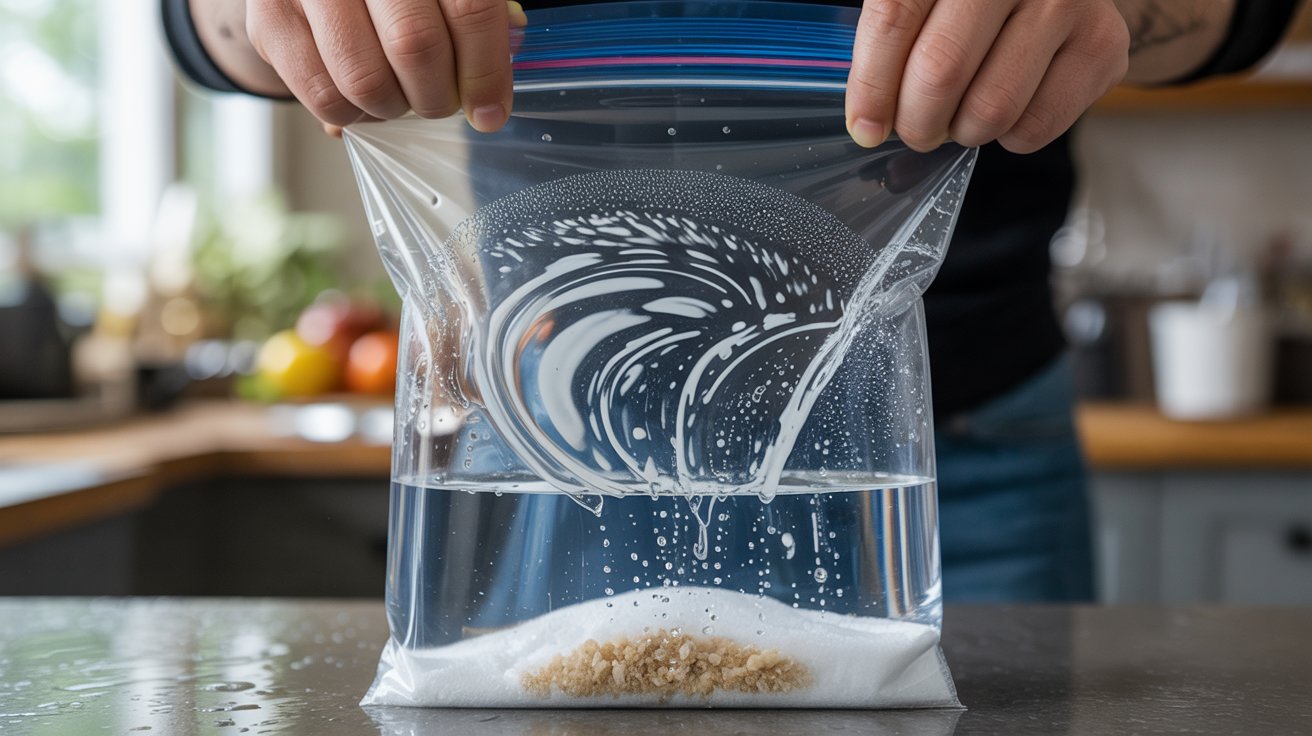
The quickest method involves isopropyl alcohol and coarse salt in a sealed bag. Put the pipe in, shake it hard for a few minutes, then rinse thoroughly with warm water. That's the core of how to clean weed pipe quickly when you're short on time.
It won't get every bit of stubborn buildup in one go. But for light to moderate residue, it handles the job well. It's also the method most people reach for between deeper cleaning sessions.
For anything heavily caked with old resin, you'll need more time and a longer soak. The fast method is a maintenance tool, not a substitute for a proper deep clean.
7 Effective Tips on How to Clean Weed Pipe Properly
These seven methods can be used individually or combined depending on how dirty your pipe is. Start with what you have available and build from there.
1. Use Isopropyl Alcohol for Deep Resin Breakdown
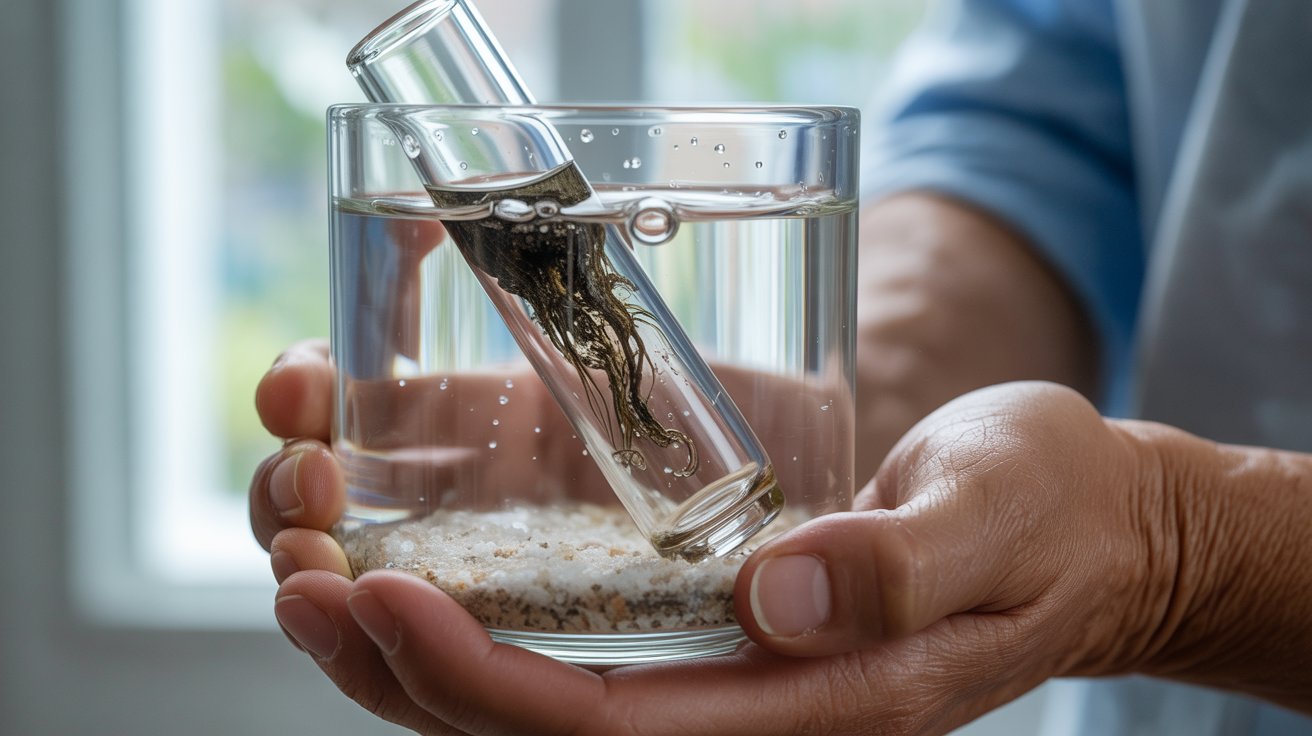
Isopropyl alcohol is the most effective cleaning agent for resin. It breaks down the sticky compounds quickly and doesn't leave behind harmful residue when rinsed properly. Use 90% concentration or higher for the best results.
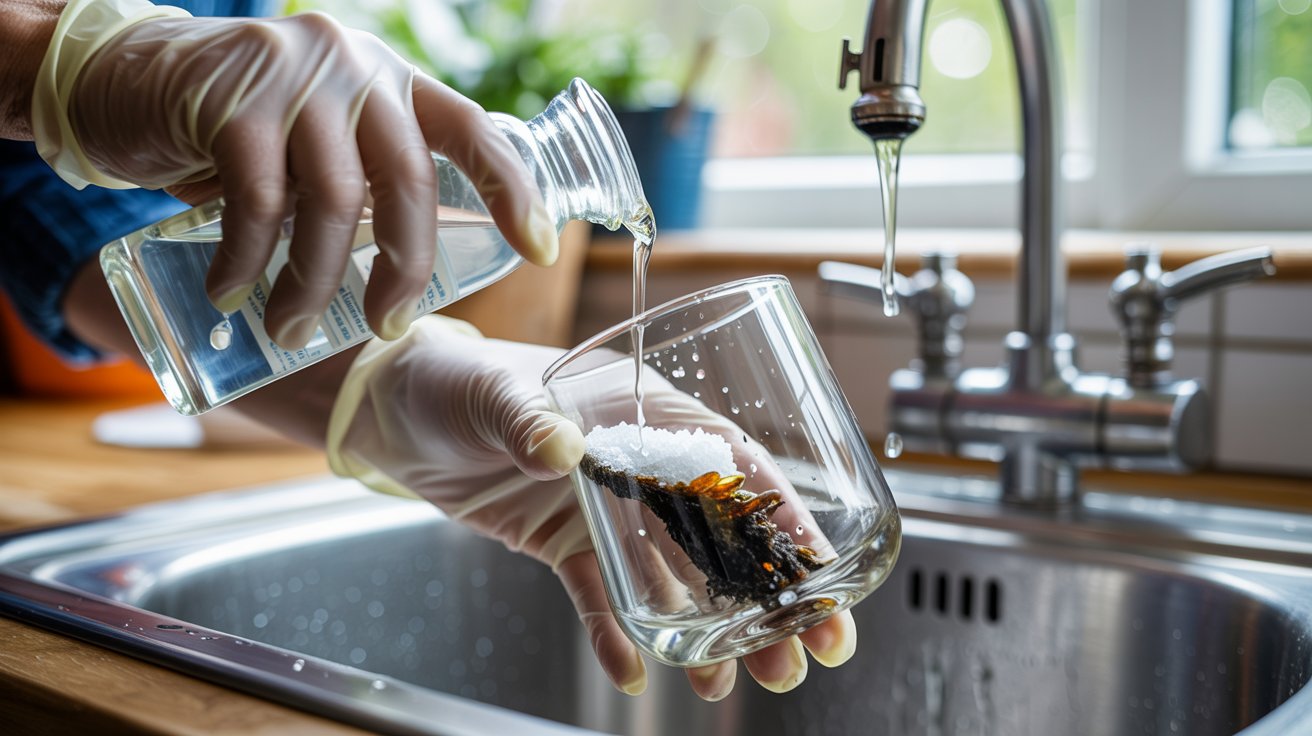
Pour enough alcohol into a bag or container to fully submerge the pipe. The alcohol starts working immediately on contact with the resin. Even without scrubbing, it loosens a significant amount of buildup on its own.
Always rinse with warm water multiple times after using alcohol. You want no trace of it left inside the pipe before you use it again.
2. Add Coarse Salt for Scrubbing Action
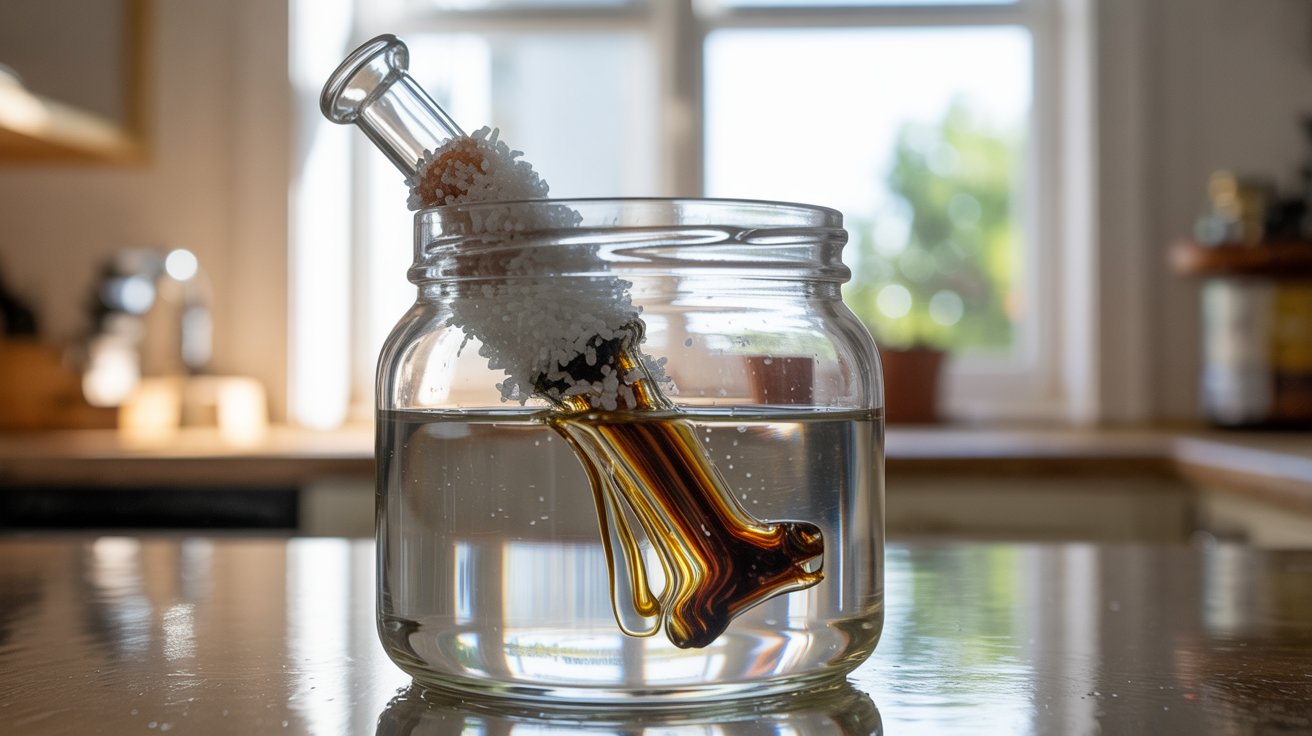
Salt doesn't dissolve in alcohol. That's exactly what makes it useful. It acts as a physical abrasive that scrubs the inside of the pipe while the alcohol breaks down the resin chemically.
Coarse salt works better than fine salt here. The larger granules create more friction against the pipe walls and dislodge buildup that alcohol alone might miss.
Table salt in a pinch still works. But if you have sea salt or rock salt available, use those instead. The difference in scrubbing power is noticeable.
3. Shake in a Sealed Bag or Container
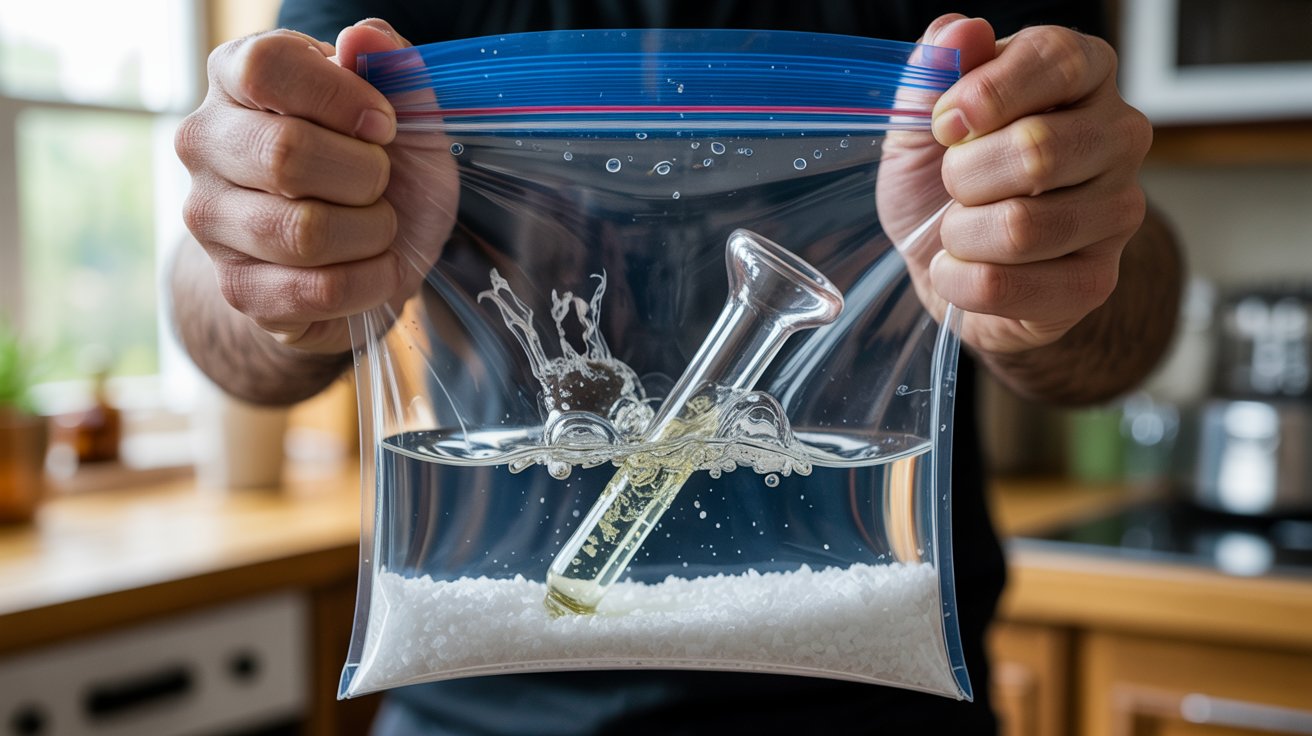
Once the pipe, alcohol, and salt are together, seal the bag tightly and shake. The motion pushes the mixture into every corner and curve of the pipe that a brush or swab can't easily reach.
Shake hard for at least two to three minutes. You'll see the solution turn dark brown as it pulls resin off the pipe walls. That's the process working.
For a glass pipe, handle this step carefully. You want enough force to clean effectively, but not so much that the pipe cracks against something hard inside the bag.
4. Soak for Heavily Dirty Pipes
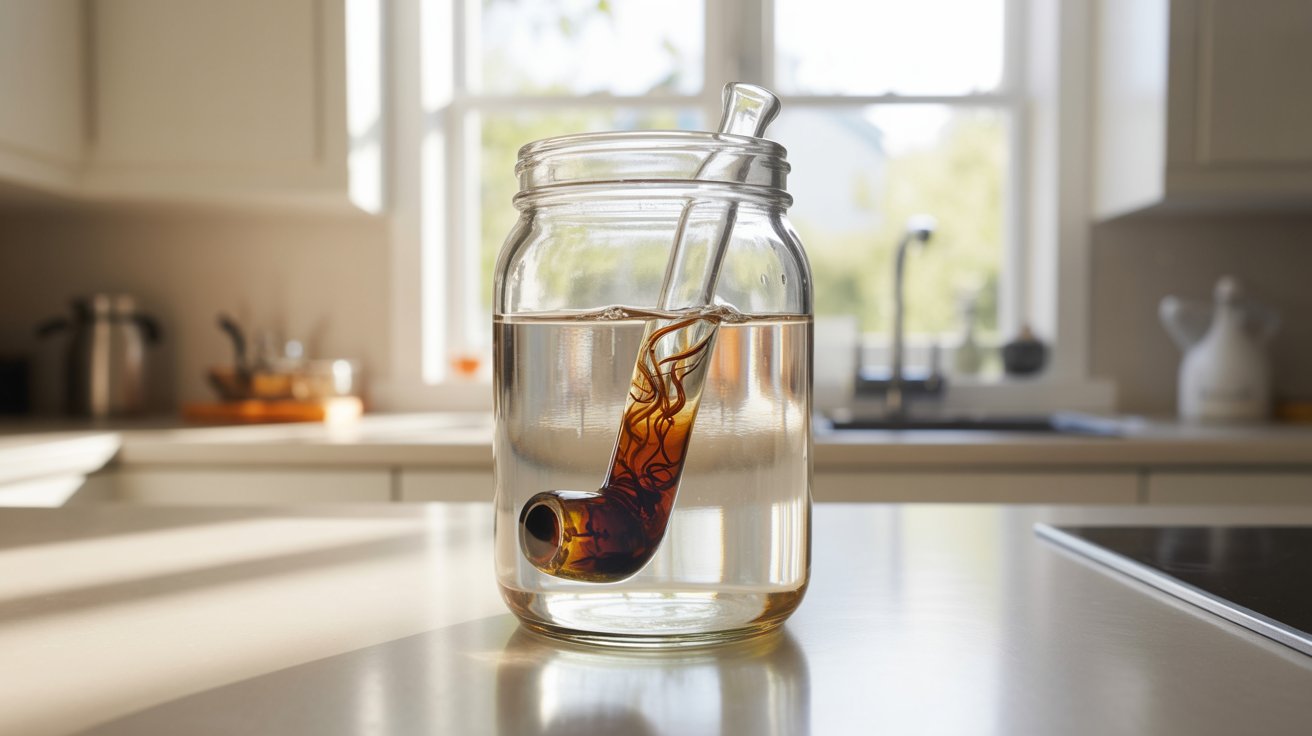
If the buildup is thick and old, shaking alone won't cut it. Let the pipe soak in isopropyl alcohol for at least 30 minutes. For heavily caked pipes, a few hours or even overnight gives better results.
Soaking gives the alcohol time to penetrate hardened resin layers that have built up over multiple sessions. When you come back to it, much of the residue will have softened or started to lift on its own.
After soaking, shake with salt to finish the job. The combination of soaking and shaking handles even the most neglected pipes.
5. Use Pipe Cleaners or Cotton Swabs
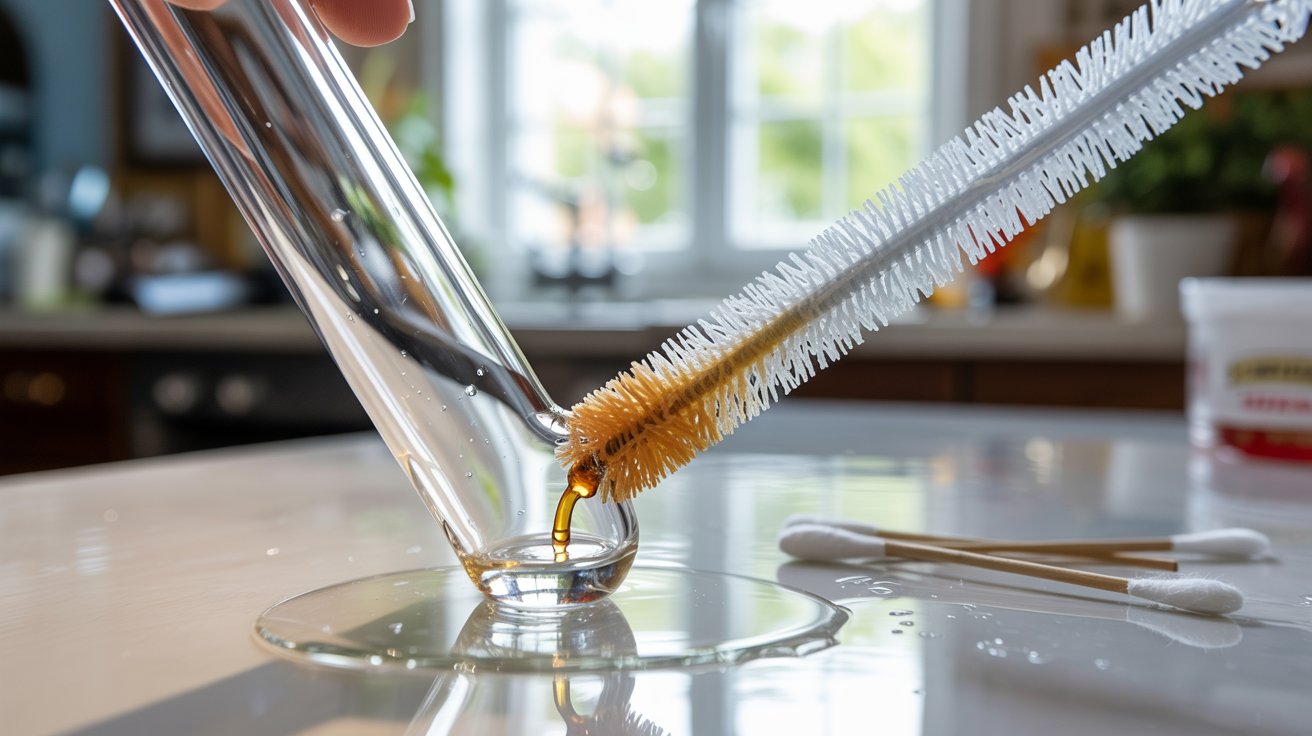
Liquids clean the main chamber well but struggle with narrow stems and curved sections. That's where pipe cleaners and cotton swabs do their job. They reach spots that shaking and soaking simply can't get to.
Dip the pipe cleaner or swab in isopropyl alcohol before inserting it. Run it through the stem and around any bends. The resin comes off on the tool rather than staying in the pipe.
Keep a few on hand as part of your regular cleaning kit. They're inexpensive and make a noticeable difference in how thoroughly you can clean each session.
6. Rinse Thoroughly with Warm Water
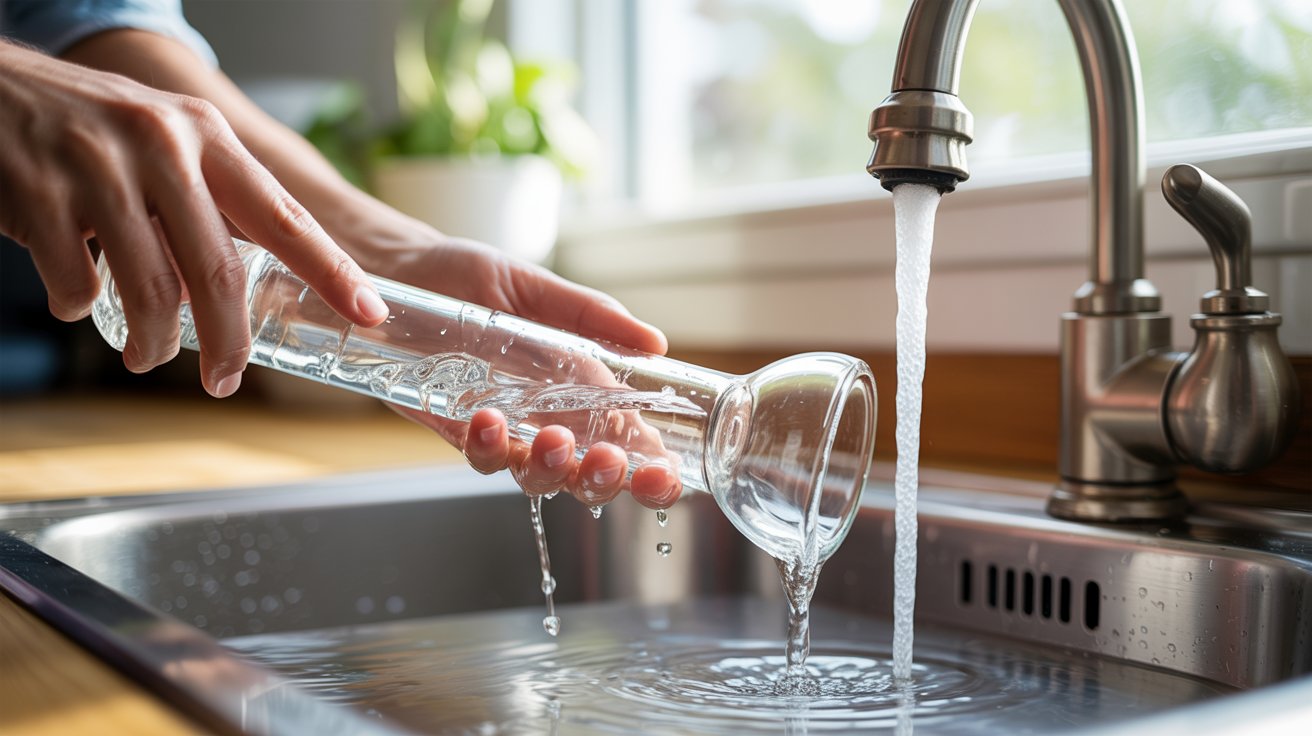
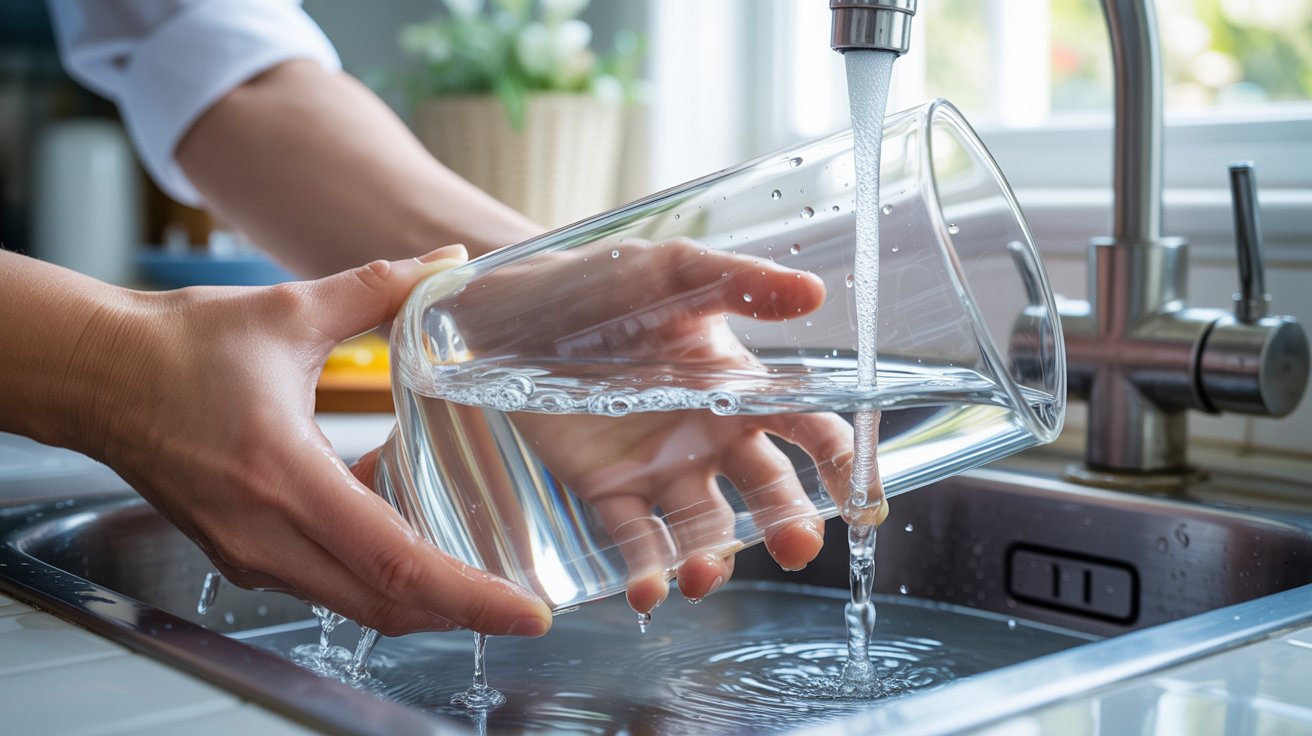
Rinsing is not optional. After using alcohol and salt, you need to flush everything out completely. Residual alcohol or loosened resin left inside the pipe affects taste and isn't safe to inhale.
Run warm water through the pipe multiple times. Hold it up to the light between rinses to check whether the water runs clear. If it's still coming out dark or cloudy, keep going.
Warm water works better than cold here. It helps move loosened resin more effectively and ensures you're starting with a fully clean interior before drying.
7. Let It Dry Completely Before Use
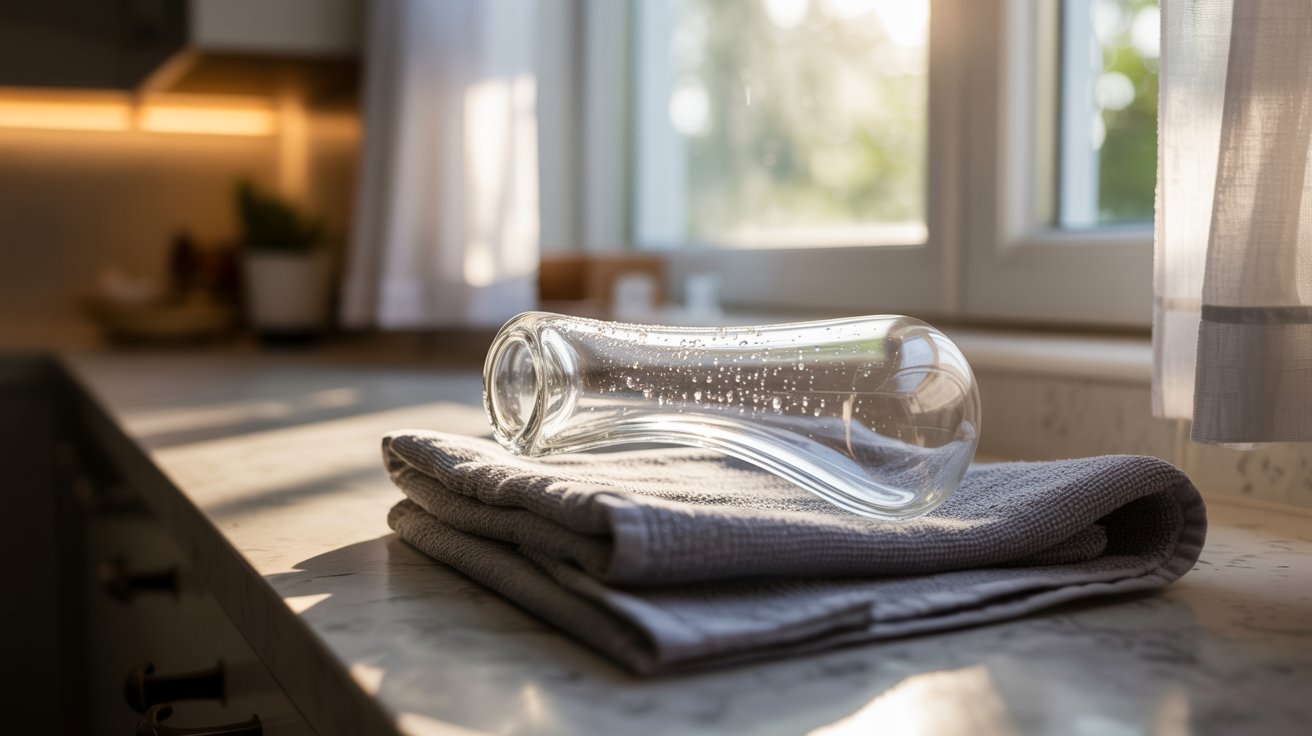
This step gets skipped more often than it should. A wet pipe used too soon can cause uneven burning, affect the taste, and create conditions inside where mold or bacteria can form if it sits.
Leave the pipe in a dry spot with good airflow for at least an hour after rinsing. If you're in a hurry, a clean cloth or paper towel can absorb surface moisture, but the interior needs time.
A fully dry pipe is a clean pipe. Don't rush this part and undo the work you just put in.
Alternative Cleaning Methods for Different Pipe Materials
Not every pipe responds the same way to alcohol and salt. The material your pipe is made from changes which cleaning approach is safest and most effective. Using the wrong method can damage a pipe that would otherwise last for years.
Here's a quick breakdown by material:
- Glass pipes: Isopropyl alcohol with coarse salt is the gold standard. Glass handles alcohol well and doesn't scratch easily from salt. Avoid sudden temperature changes, like pouring boiling water on a cold glass pipe.
- Metal pipes: Very durable and can handle boiling water, which is an effective alternative to alcohol for metal. Salt and alcohol also work fine. Metal is forgiving of more aggressive cleaning.
- Wooden pipes: Avoid soaking in alcohol or water. Wood absorbs liquid and can warp or crack. Use a dry pipe cleaner or a lightly damp cotton swab instead. Minimal moisture is the rule here.
- Silicone pipes: These are flexible and highly resistant to most cleaning agents. Isopropyl alcohol works, and silicone can also be placed in a dishwasher or freezer. Frozen resin becomes brittle and peels off easily.
- Acrylic pipes: Avoid alcohol as it can cloud and weaken acrylic over time. Warm soapy water and a pipe cleaner is the safer choice for these.
Knowing your pipe material before cleaning saves you from accidental damage. When in doubt, start with the gentlest method and work up from there.
Deep Cleaning vs Quick Cleaning: When to Use Each Method
Both approaches have their place. Choosing the right one depends on how dirty your pipe is and how much time you have. Here's a side-by-side look at what each method involves and when to use it.
| Factor | Quick Clean | Deep Clean |
|---|---|---|
| Time required | 5 to 10 minutes | 30 minutes to overnight |
| Best for | Light residue, regular maintenance | Heavy buildup, neglected pipes |
| Method | Alcohol and salt shake, quick rinse | Long soak, shake, swab, thorough rinse |
| Frequency | Every few sessions | Weekly or when performance drops |
| Tools needed | Bag, alcohol, salt, warm water | All of the above plus pipe cleaners, swabs |
| Result | Noticeably fresher, not perfectly clean | Fully restored airflow and taste |
Use quick cleaning as your regular habit between sessions. Use deep cleaning when the pipe starts tasting off, airflow feels restricted, or visible buildup is obvious. Combining both consistently is the most effective long-term approach.
Common Mistakes to Avoid While Cleaning a Weed Pipe
Most cleaning problems come down to a few avoidable habits. I've made several of these myself before settling on a method that actually works every time.
Here are the mistakes worth knowing about before you start:
- Using harsh chemicals not meant for pipe cleaning. Bleach and strong household cleaners can leave toxic residue and damage certain materials. Stick to isopropyl alcohol or purpose-made pipe cleaning solutions.
- Not rinsing properly after alcohol cleaning. Alcohol left inside the pipe burns when heated and affects taste. Multiple thorough rinses are non-negotiable.
- Scrubbing too aggressively. Glass and acrylic scratch more easily than people expect. Aggressive scrubbing with abrasive tools can cause permanent damage or micro-cracks.
- Reusing dirty cleaning solution. Once the alcohol and salt solution is dark with resin, it's no longer cleaning effectively. Fresh solution gives better results every time.
- Waiting too long between cleans. The longer resin sits, the harder it becomes to remove. Light regular cleaning is always easier than one massive effort on a badly neglected pipe.
Avoiding these habits keeps your pipe in better condition and makes every cleaning session faster and less frustrating.
Maintenance Tips to Keep Your Pipe Clean Longer
A clean pipe is much easier to maintain than a dirty one is to restore. Small consistent habits between sessions add up significantly over time. The goal is to never let buildup get heavy enough to need a serious deep clean.
Here are the habits worth building:
- Rinse lightly with warm water after every use. This alone slows resin buildup significantly by removing fresh residue before it hardens.
- Do a quick alcohol and salt clean every two to three sessions. It takes ten minutes and keeps the pipe performing consistently.
- Don't let resin sit and harden. Fresh resin is soft and easy to remove. Old, dried resin requires much more effort and soaking time.
- Store in a clean, dry place. A pipe stored in a dusty drawer or left out collects debris that adds to the cleaning workload.
- Use screens where your pipe allows for them. Screens catch plant material before it enters the pipe and reduce how quickly resin builds up inside.
These habits don't take much time individually. But done consistently, they make a real difference in how your pipe performs and how often you need to do a proper deep clean.
Conclusion
Knowing how to clean weed pipe properly is one of those small things that makes a bigger difference than you'd expect. The methods are simple. The results show up immediately.
All it takes is making it a regular habit instead of an afterthought. If this guide saved you from another stale session, share it with someone who's been putting off cleaning theirs.
And if you've got a method that works especially well for your pipe type, drop it in the comments below. I'm always looking for what's actually working out there.
Let's hear it.
Frequently Asked Questions
How Often Should I Clean My Weed Pipe?
Light cleaning every two to three sessions and a deeper clean once a week is a solid routine for regular users. Usage frequency is the main factor, so adjust based on how quickly buildup appears.
What Is the Fastest Way To Clean a Weed Pipe?
The quickest method is shaking the pipe in a sealed bag with isopropyl alcohol and coarse salt for a few minutes, then rinsing with warm water. It handles light to moderate residue quickly and effectively.
Can I Clean My Pipe Without Alcohol?
Yes, hot water with vinegar or a baking soda paste can work as alternatives. Alcohol is more effective at breaking down resin, but these options are useful when alcohol isn't available.
Is It Safe To Boil a Weed Pipe?
Boiling is safe for metal pipes and works well for removing resin. It is not recommended for glass pipes unless they are specifically labeled as heat-resistant, as sudden temperature changes can cause cracking.
Why Does My Pipe Still Smell After Cleaning?
Residual resin in hard-to-reach areas or insufficient rinsing after alcohol cleaning are the most common causes. Repeat the cleaning process with a pipe cleaner or swab on the stem and rinse more thoroughly.