I ate a full gummy, sat on my couch for two hours, and felt absolutely nothing. No relaxation. No mood shift. Just me, staring at the ceiling and wondering what went wrong.
If you've been asking why don't edibles work on me, you're not alone. And you're definitely not imagining it.
There are real, science-backed reasons this happens. Most of them are fixable once you know what to look for.
In this blog, I'll cover 7 possible reasons edibles aren't working for your body.
I'll also show you what working effects actually feel like, how to get better results, and what alternatives to try if edibles never seem to hit.
Let's get into it.
How Cannabis Edibles Work in the Body
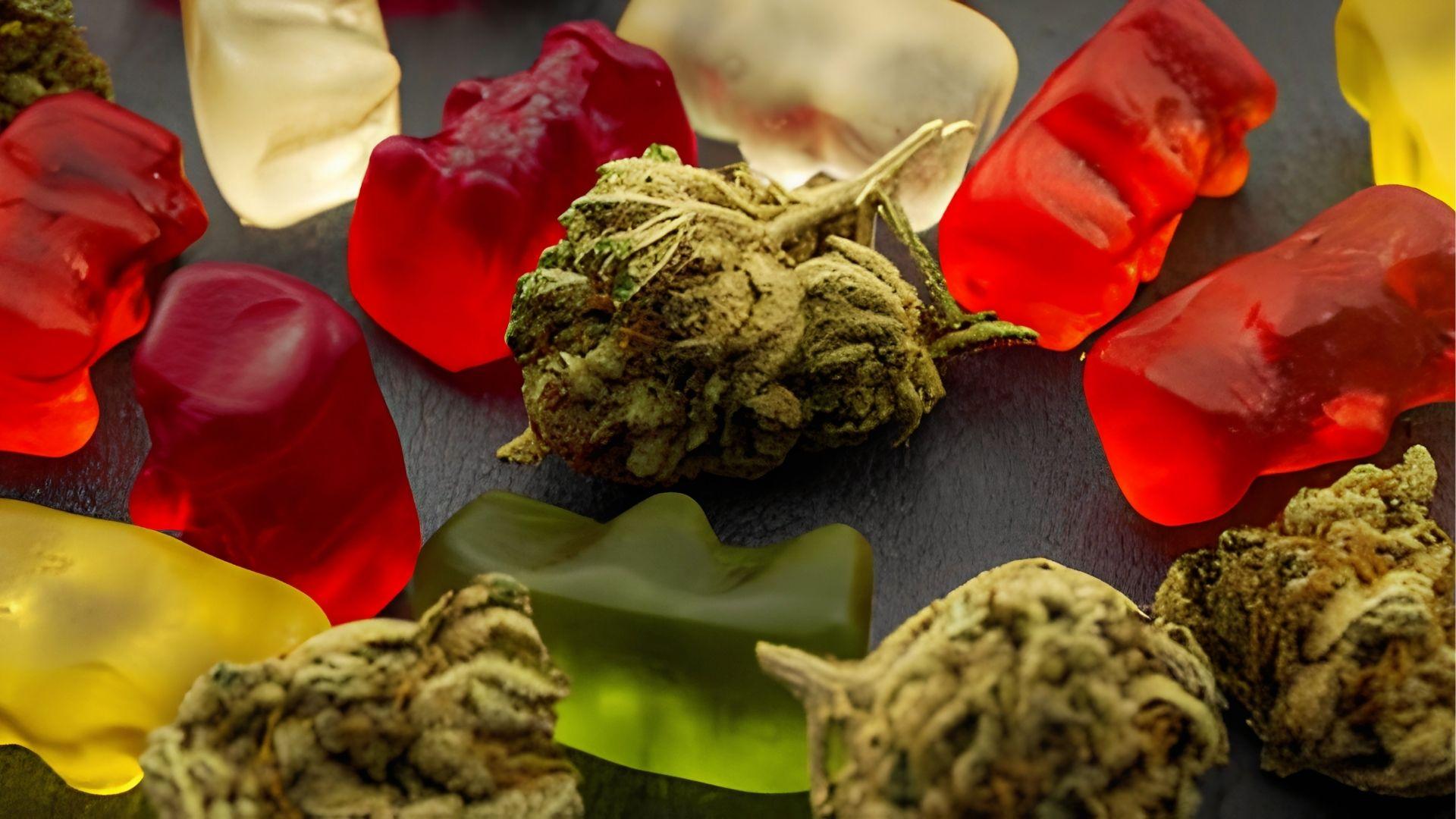
When you eat a cannabis edible, the THC goes through your digestive system before anything else.
It passes through your stomach and intestines, then moves into your liver. In the liver, THC converts into a compound called 11-hydroxy-THC.
This form is more potent than regular THC and lasts much longer in your system. That's why edibles can feel stronger than smoking or vaping for many people.
But this whole process takes time. Most people start feeling effects anywhere between 30 minutes to 2 hours after eating. Effects can last 4 to 8 hours, sometimes even longer.
Why Don't Edibles Work on Me? 7 Possible Reasons
There are several reasons your edibles might not be doing anything, and most of them are fixable.
1. Your Body Metabolizes THC Too Quickly
Some people have liver enzymes, specifically CYP2C9 and CYP3A4, that break down THC very fast.
Before the compound can fully build up in your bloodstream, your liver has already cleared most of it. This is largely genetic. You can't change it overnight.
If this sounds like you, trying a slower-absorbing edible format or a slightly higher dose under guidance may help you feel more consistent results.
2. You Have a High THC Tolerance
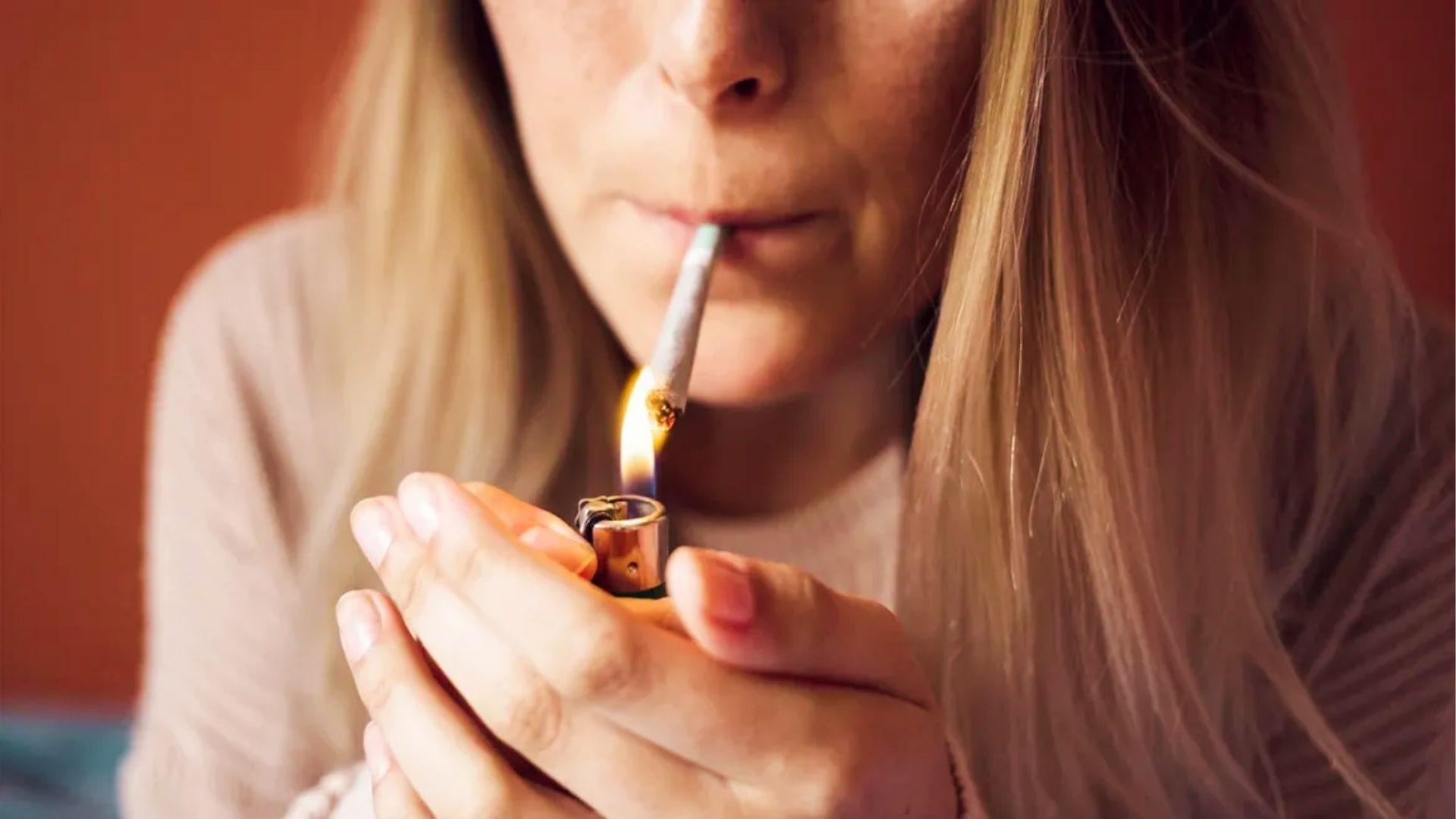
If you smoke or vape regularly, your cannabinoid receptors are already used to THC. That cross-tolerance carries over to edibles.
A standard 10mg dose may barely register for someone who vapes daily. Your receptors are less sensitive, so the usual amounts don't hit the same way.
Taking a short break from all cannabis products, even just a few days, can help bring your sensitivity back.
3. You Took the Edible on an Empty Stomach
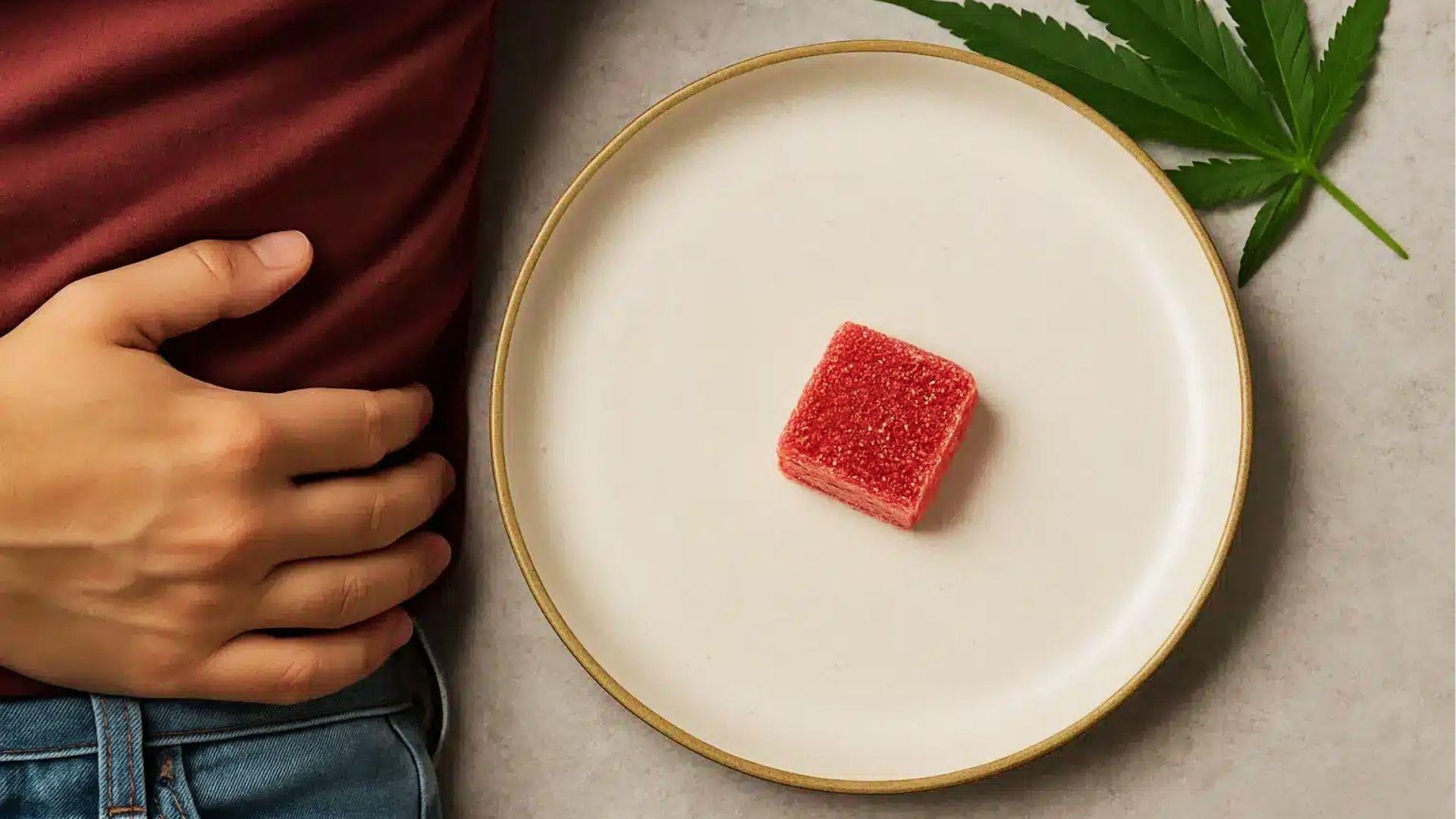
This surprises most people, but an empty stomach can actually limit how well your body absorbs THC.
Your digestive system works better when it has something to process alongside the edible.
Eating a small meal with healthy fats, like peanut butter, avocado, or whole milk, before dosing may help your body pull more THC into the bloodstream and give you a more consistent experience.
4. You Didn't Wait Long Enough
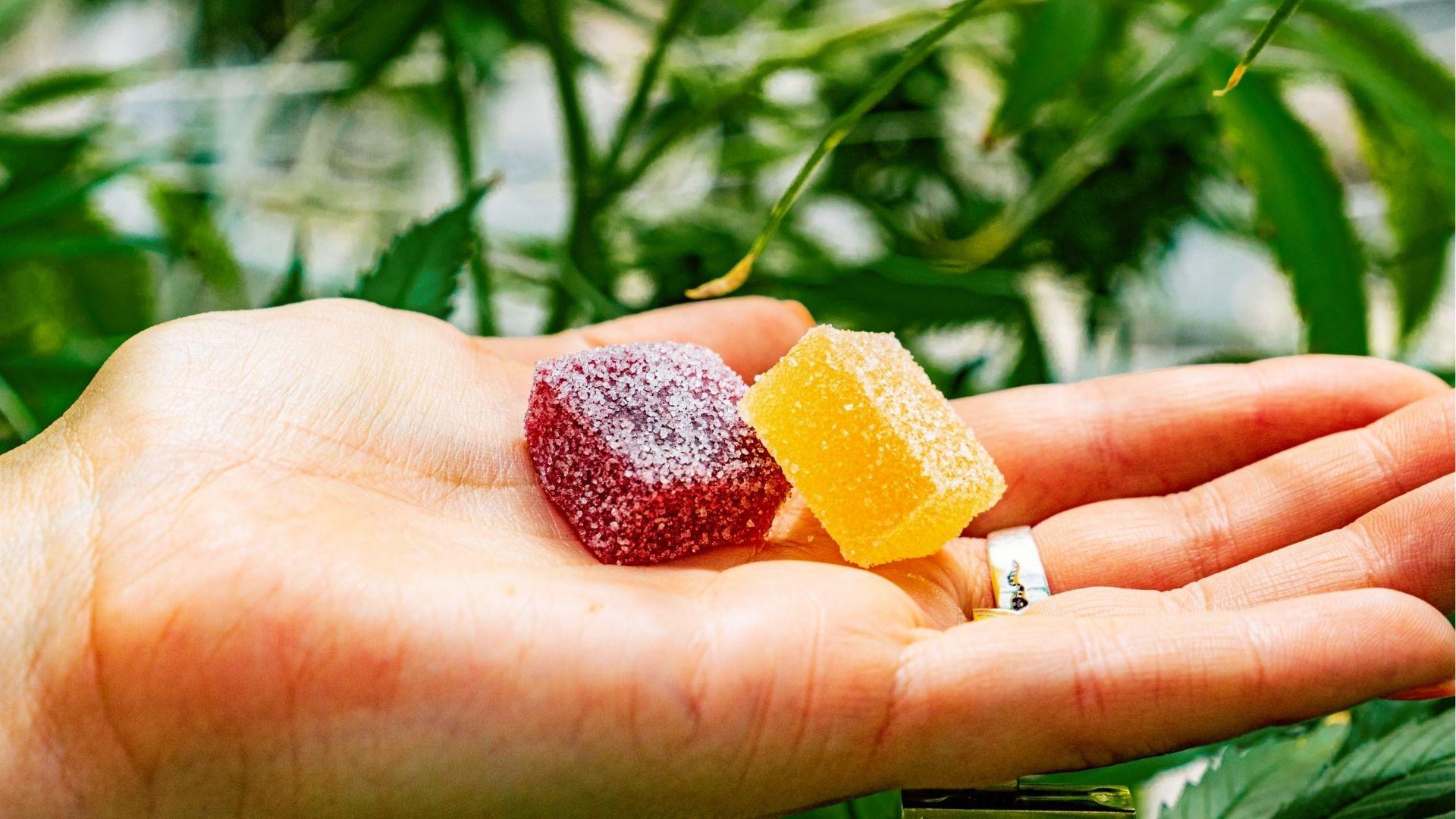
Edibles work on their own slow clock. They can take anywhere from 30 minutes to 2 hours to kick in, sometimes longer depending on your metabolism and what you ate.
Many people take a second dose too soon because they feel nothing after an hour.
That second dose often hits at the same time as the first, leading to way too much at once. Set a timer and wait a full 2 hours before making any decisions.
5. You Bought Low-Quality Edibles
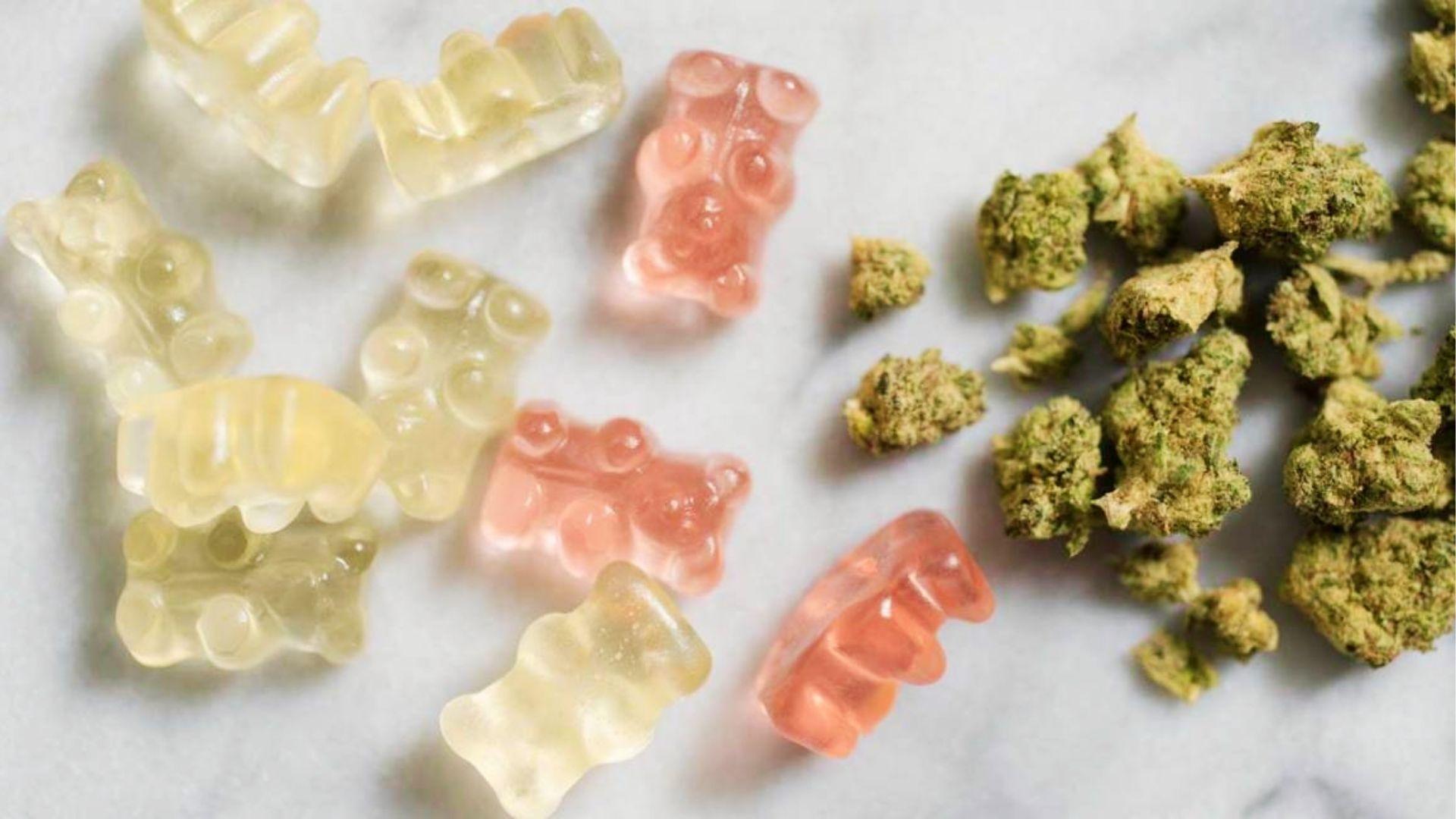
Not every edible on the market is made with care. Poorly produced products often have uneven THC distribution, meaning one piece may have very little while another has too much.
Always check for a certificate of analysis, or COA, from a third-party lab. This document tells you exactly what's in the product.
Without lab testing, you're just guessing. Stick with reputable brands that are transparent about their ingredients and potency.
6. Digestive Issues May Affect Absorption

If you have gut conditions like IBS, Crohn's disease, or general inflammation in your digestive tract, your body may struggle to absorb cannabinoids properly.
THC is absorbed through the lining of your intestines. When that lining is damaged or irritated, less THC gets into your system.
Working on overall gut health through diet and hydration may gradually improve how your body handles edibles over time.
7. You May Be "Ediblocked"
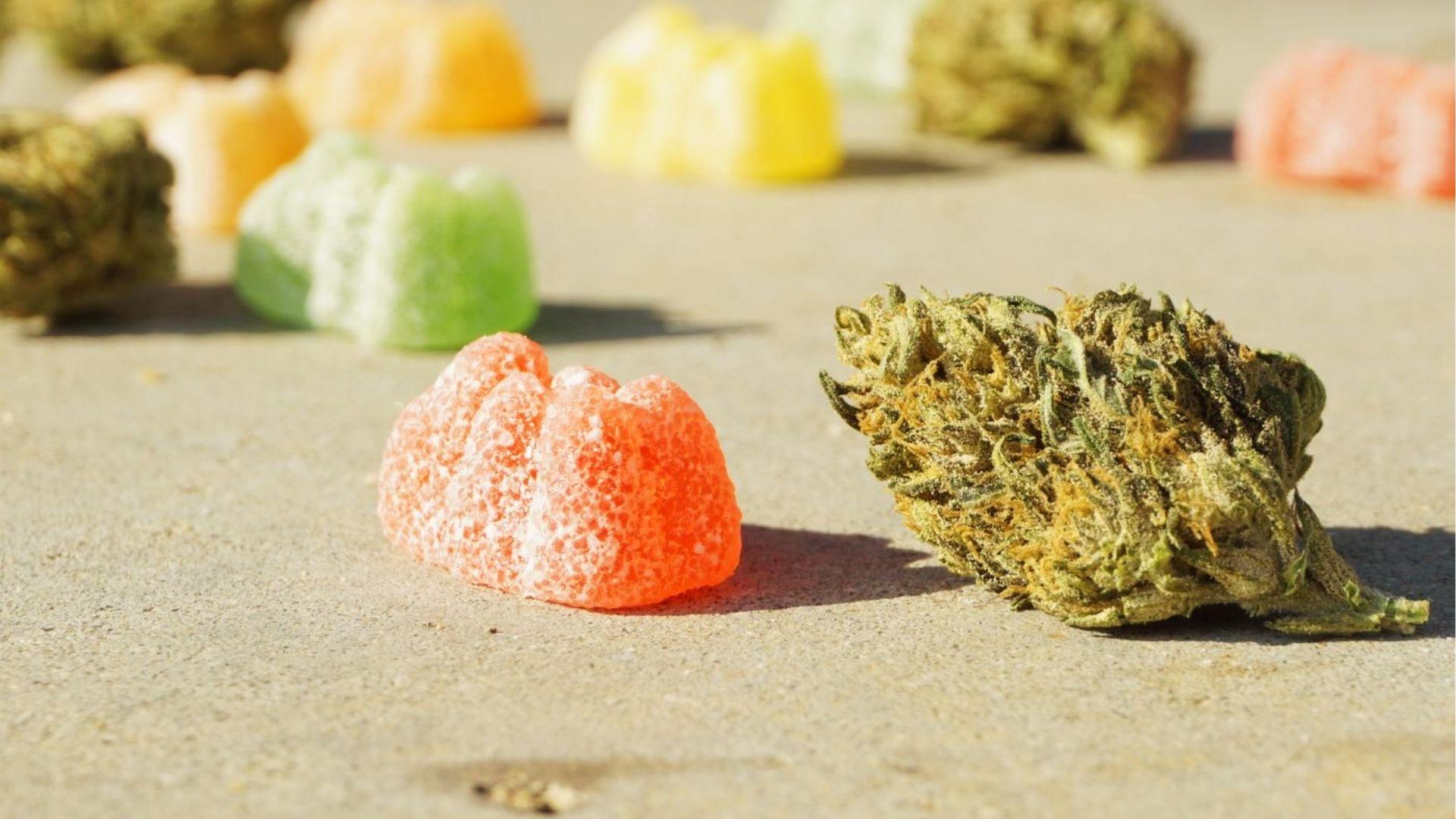
Some people are described as "ediblocked," a term used when edibles simply don't produce effects no matter what someone tries.
Researchers don't fully understand why this happens yet. One theory suggests certain people metabolize THC so thoroughly in the gut that very little reaches the bloodstream.
It's not common, but it's real. If you've tried everything on this list and still feel nothing, you may genuinely fall into this category.
Signs Your Edibles Are Actually Working
Edibles don't always hit hard. Sometimes the signs are quiet.
- Mild body relaxation: Your muscles soften and tension slowly fades without you even realizing it.
- Dry mouth: A very common signal that THC is active and your system is responding.
- Slower thoughts or mood shifts:You may feel calmer, a bit spacey, or notice a gentle lift in your mood.
- Delayed effects that build gradually: Unlike smoking, edibles often creep up in waves rather than hitting all at once.
- Subtle highs: Some people never feel an intense high from edibles. A mild, relaxed feeling is still edible.
If you're noticing any of these, the edible is doing its job. It's just working at your pace.
How To Make Edibles Work Better
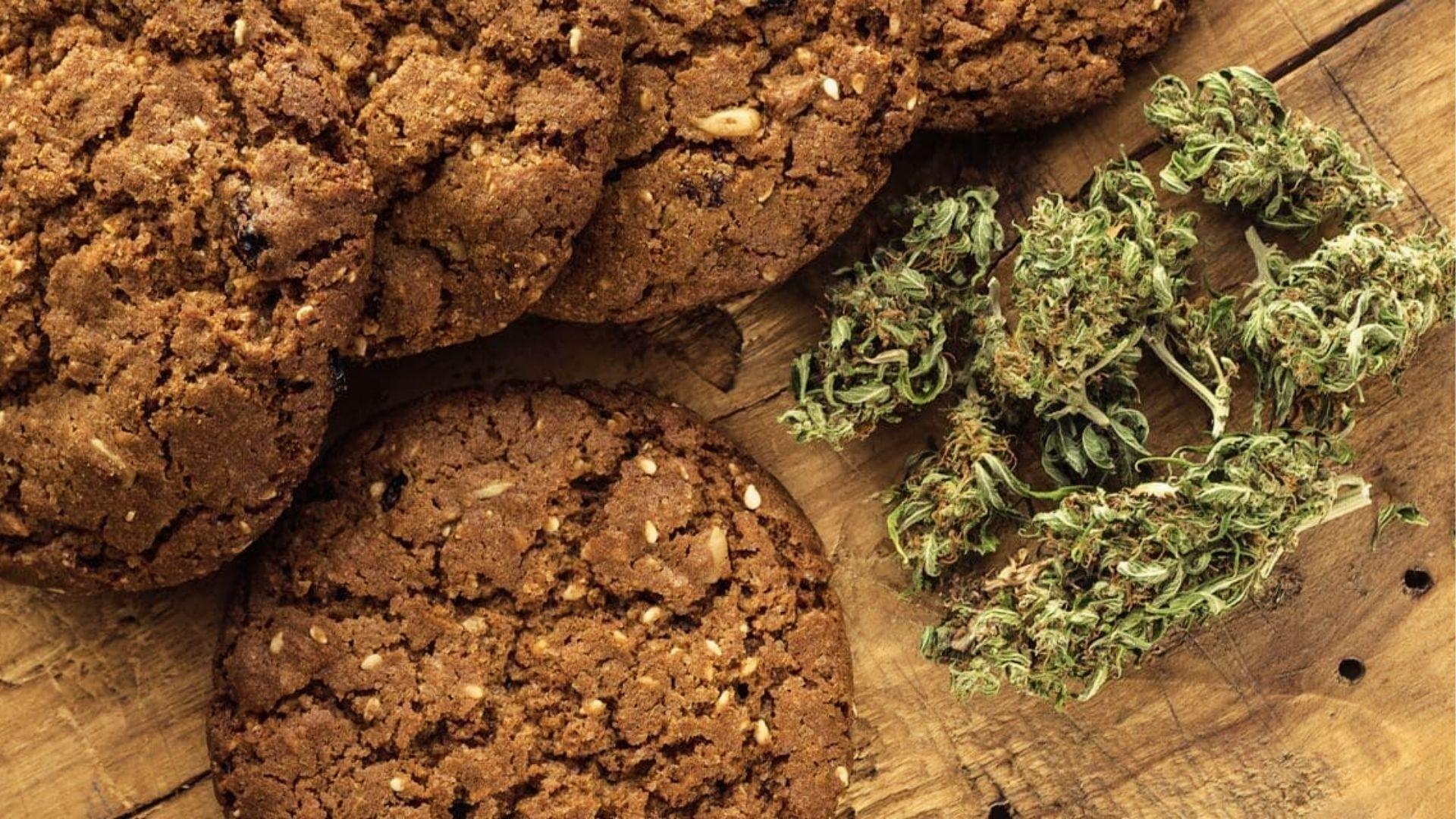
Start low and go slow, especially if you're newer to edibles. A 5mg dose is a solid starting point.
Always eat a light meal with some fat in it before you dose, since fat helps your body pull cannabinoids across the intestinal wall more effectively. Try different product types too.
Gummies, cannabis drinks, tinctures, capsules, and sublingual products all absorb at different rates. Sublingual options skip the digestive process entirely, so they tend to work faster.
If nothing is working and you use cannabis regularly, take a short break of 3 to 5 days. Tolerance resets can make a noticeable difference in how you respond.
Best Alternatives if Edibles Never Work for You
If edibles consistently let you down, other formats may work better for your body.
- Sublingual tinctures absorb directly into the bloodstream, bypassing digestion entirely.
- Cannabis beverages use water-soluble THC that kicks in faster than traditional edibles.
- Smoking or vaping delivers effects almost immediately with easier dose control.
- Rapid-onset edibles use nano-emulsified THC that absorbs much faster than standard gummies.
- Capsules and lozenges offer precise dosing with a slow, gradual release.
Try a few of these and pay attention to how your body responds. The right format makes all the difference.
Conclusion
I spent months thinking I was doing something wrong every time edibles didn't hit. Turns out, my body just needed a different approach. Eating before dosing and switching to sublingual tinctures on some days made a real difference for me.
If you've been asking why don't edibles work on me, the answer is out there. Your body isn't broken. It just needs the right conditions.
Try the tips above and drop a comment telling me what worked for you. Share this post if it helps!
Frequently Asked Questions
Why don't edibles work on me even at a high dose?
Your liver may be breaking down THC too fast, or you could be ediblocked.
How long should I wait before deciding edibles aren't working?
Wait at least 2 full hours before drawing any conclusions.
Can eating before taking edibles really change anything?
Yes, a small meal with healthy fats can improve THC absorption noticeably.
Does smoking weed make edibles less effective?
Yes, regular smoking builds a cross-tolerance that reduces how your body responds to edibles.
Are there edibles designed to work faster than regular gummies?
Yes, nano-emulsified edibles and cannabis beverages absorb much faster than standard options.