I remember my first harvest. I was so excited that I rushed the drying process and the buds came out harsh and weak. That mistake taught me a lot.
How to dry marijuana properly is one of the most important skills any grower needs.
Get it right, and your buds will smell great, smoke smooth, and hit well. Get it wrong, and months of hard work can go to waste.
In this guide, I will walk you through everything. We will cover trimming, hanging, temperature, humidity, curing, and storage.
I have grown for years, and I am sharing what actually works.
Why Properly Drying Marijuana Matters
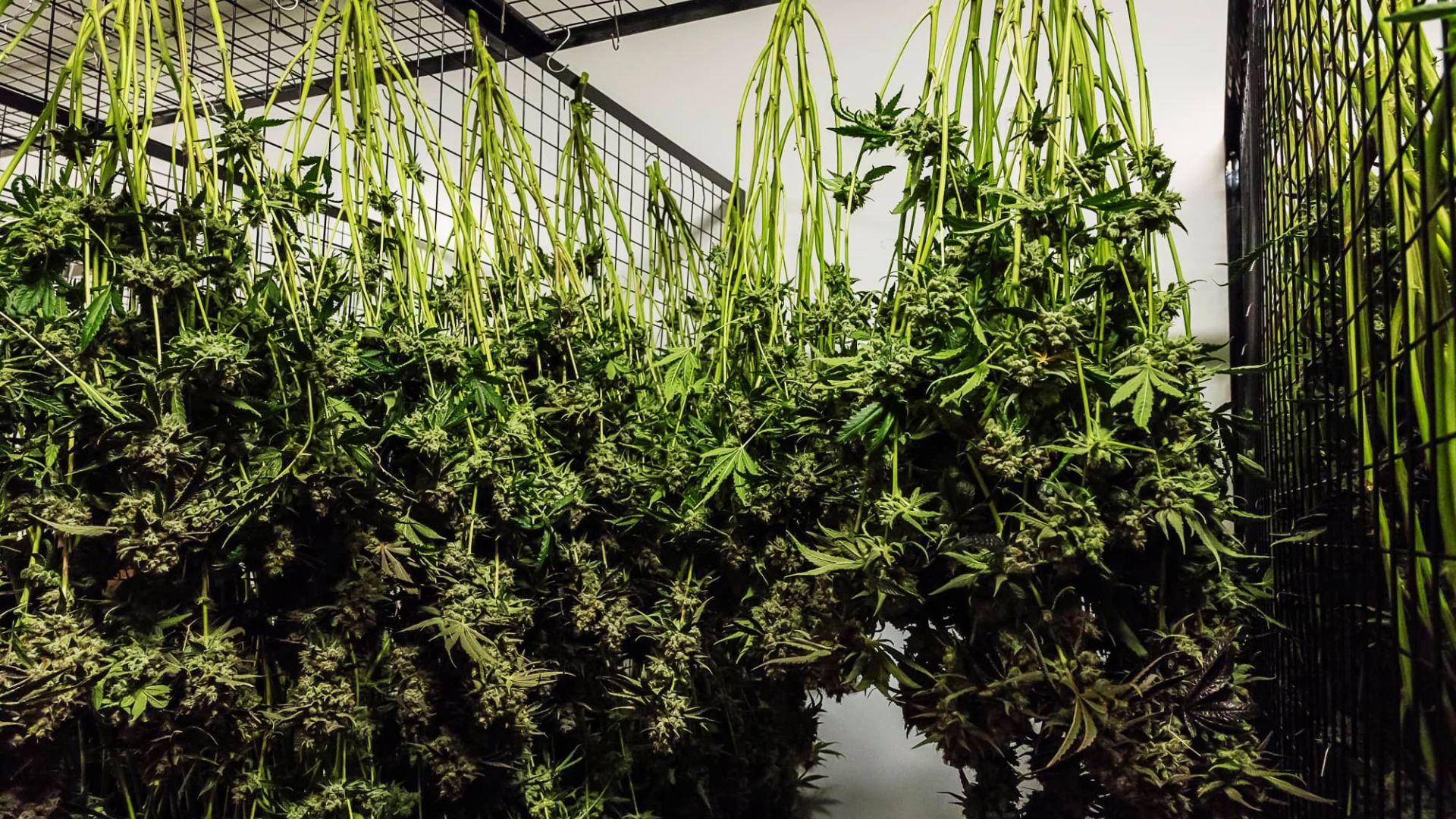
Drying is not just about removing water. It directly shapes what you get in the end.
When marijuana dries slowly and correctly, the plant breaks down chlorophyll, which makes the smoke smoother.
Terpenes, the compounds responsible for smell and taste, stay intact. THC remains strong. A rushed dry destroys all of this.
Drying and curing are two different steps. Drying removes most of the moisture from the bud.
Curing comes after and slowly pulls out the remaining moisture while improving taste and potency. Both steps matter. Skipping either one will lower the quality of your final product.
Understanding the Marijuana Drying Process
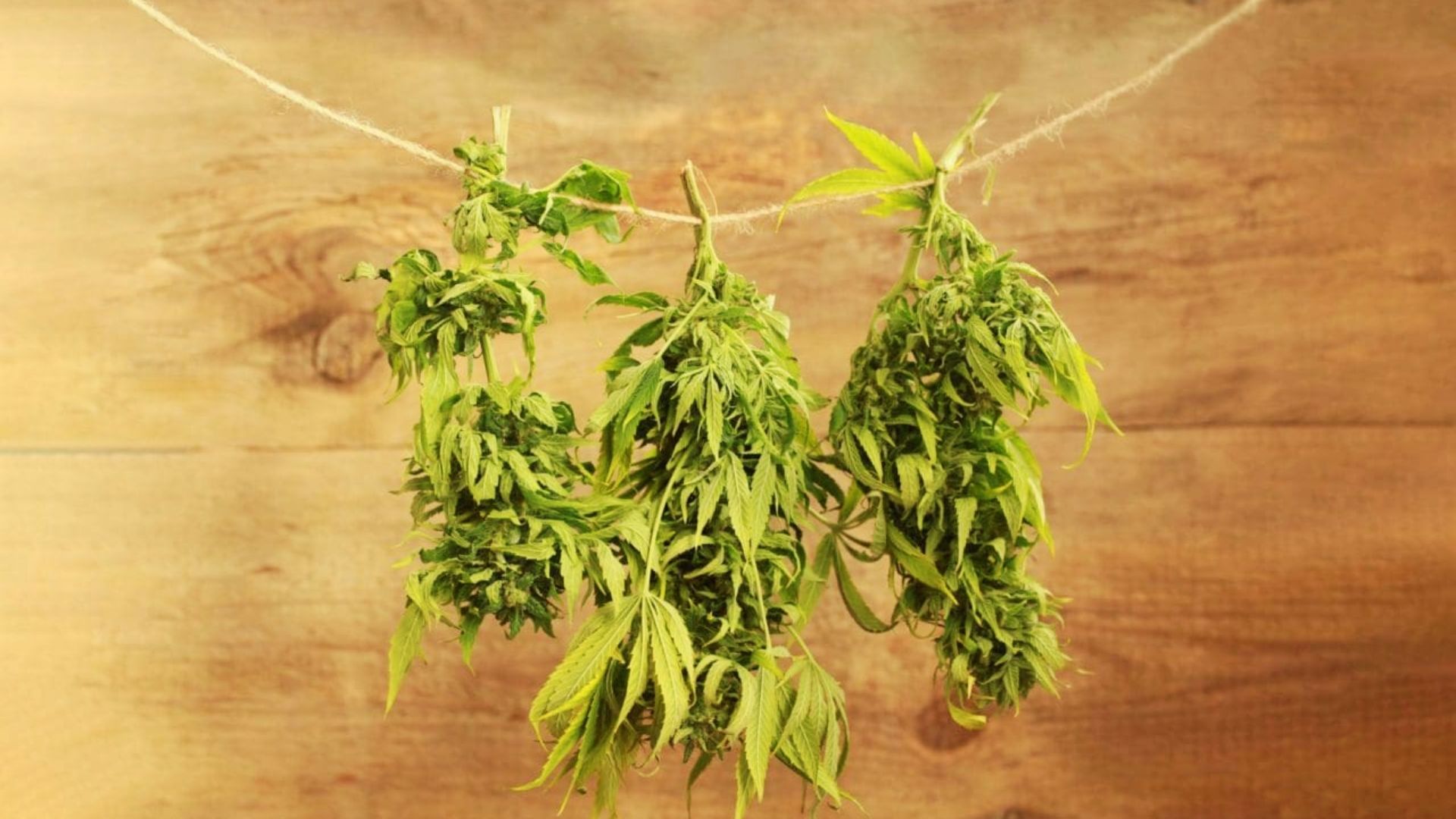
Knowing what happens inside the plant during drying helps you make smarter decisions throughout the process.
What Happens to Marijuana After Harvest
After you cut the plant, it keeps going through chemical changes. Chlorophyll breaks down. Sugars convert.
Moisture slowly moves from inside the bud to the outside. This takes time, and rushing it stops these changes before they finish.
Why Slow Drying Produces Better Buds
Slow drying gives terpenes and cannabinoids time to stabilize. Buds dried too fast and stayed harsh and grassy.
A slow dry of seven to ten days allows the plant to finish its natural process after harvest.
How Drying Preserves Cannabinoids and Terpenes
Heat and light break down THC and terpenes fast. Keeping your drying space cool and dark protects these compounds.
This is why a controlled environment matters so much during this stage.
Common Signs of Improperly Dried Marijuana
Watch out for these signs:
- Buds that feel spongy or wet inside
- A hay or grass-like smell
- Harsh smoke that causes coughing
- Mold or white fuzzy spots on buds
- Buds that crumble into dust when touched
Best Conditions for Drying Marijuana Plants
The right environment makes the biggest difference between good and great buds.
Step 1: Set the Right Temperature
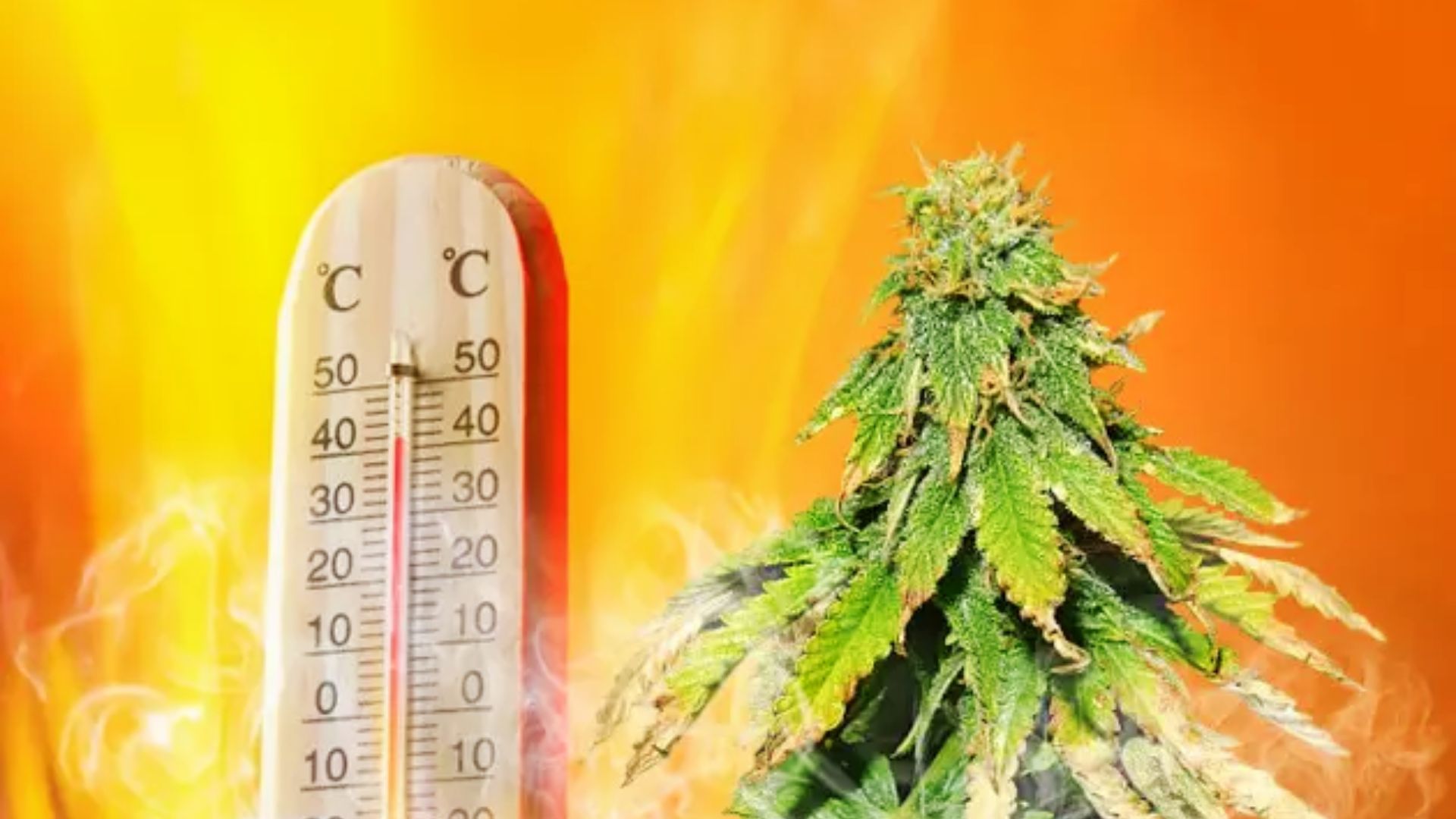
Keep the drying room between 60 and 70 degrees Fahrenheit. Higher temps destroy terpenes. Lower temps invite mold. Use a thermometer to stay in range.
Step 2: Control the Humidity
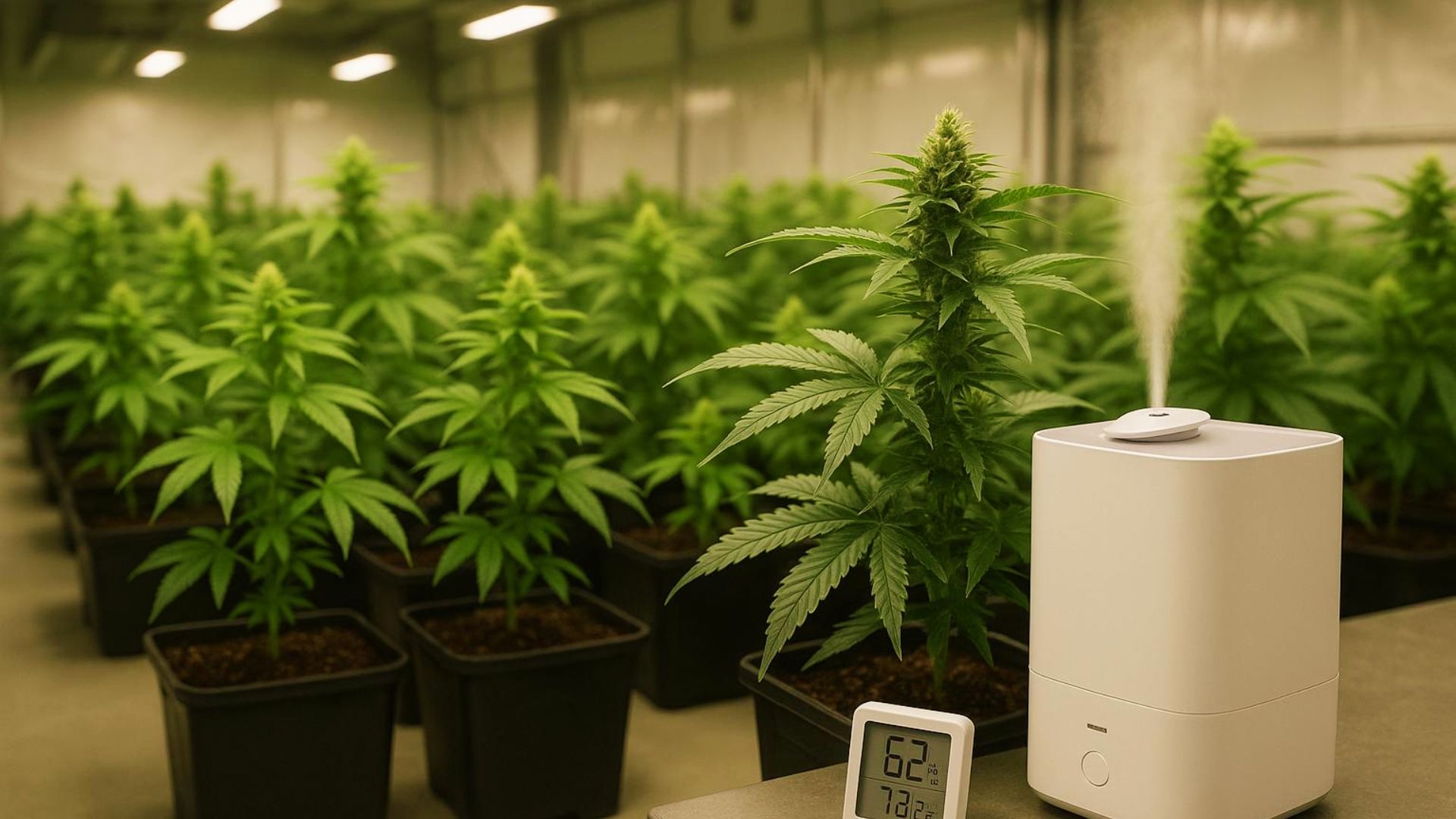
Aim for 45 to 55 percent relative humidity. Too high causes mold. Too low dries the outside while the inside stays wet. A hygrometer helps you track this easily.
Step 3: Set Up Airflow and Ventilation
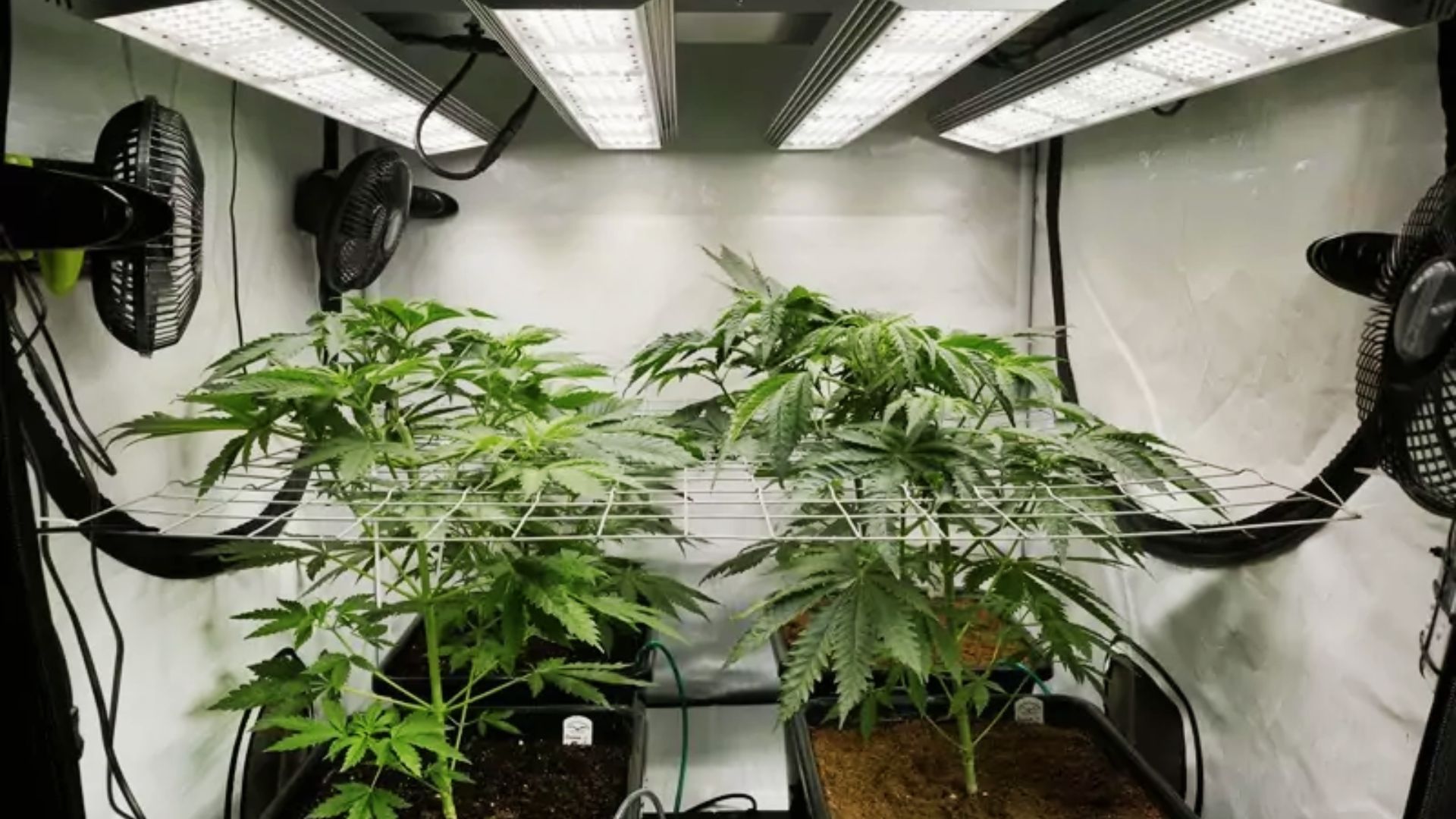
Circulate air in the room but never blow a fan directly at the buds. Point it at a wall instead. This keeps drying even and stops mold from forming.
Step 4: Keep the Space Dark
UV light breaks down THC fast. Use a closet, tent, or sealed room with no light leaks. Only open it briefly when checking on your buds.
Step 5: Check Daily and Wait for the Right Dry Time
Most buds take seven to ten days to dry.
Test by bending a small stem:
- Snaps cleanly = ready
- Bends without breaking = needs more time
Be patient. Rushing this step hurts flavor and potency.
How to Dry Marijuana Fast Without Ruining Quality
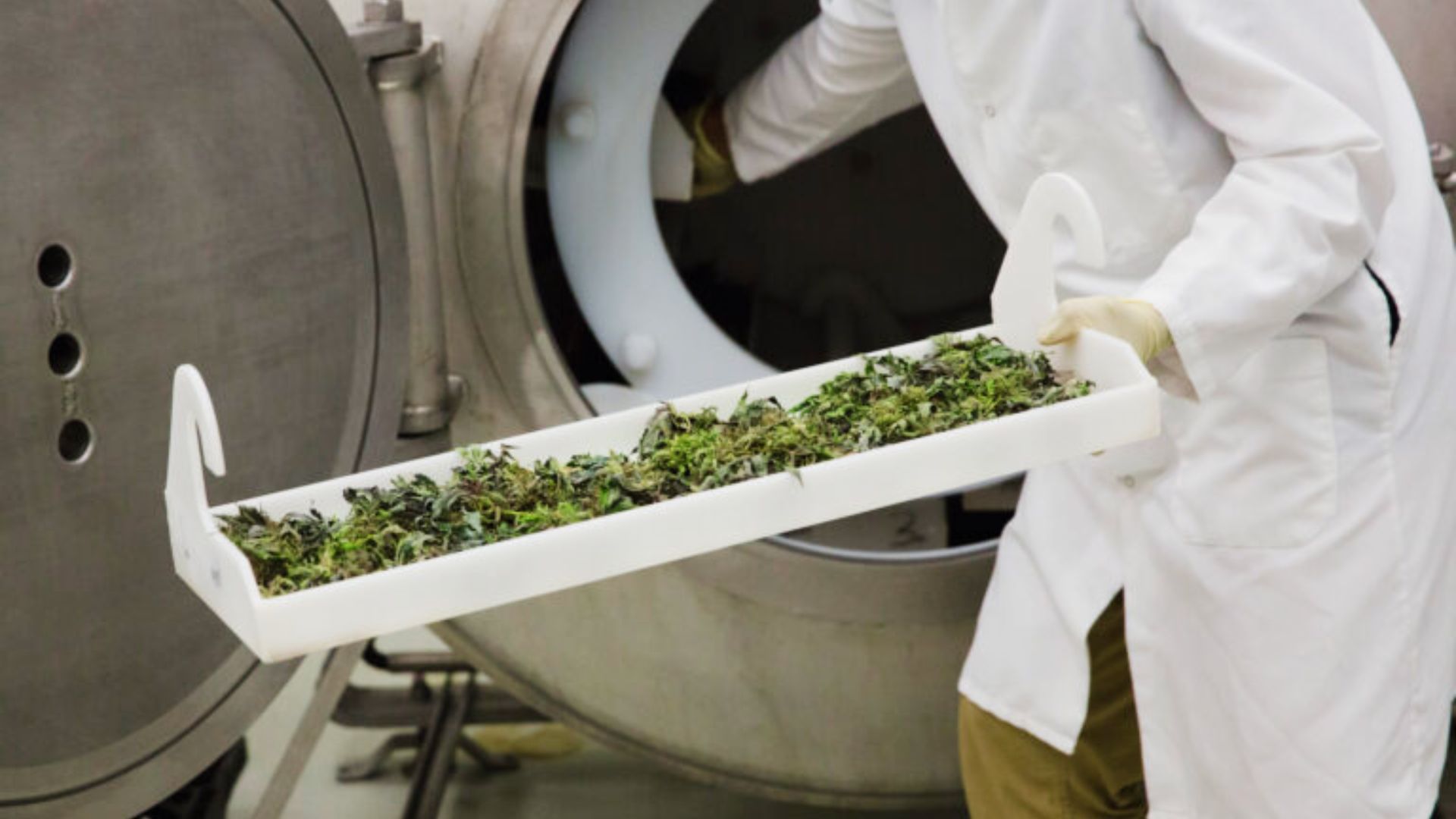
Sometimes you need to speed things up, but there is a right way and a wrong way to do it.
Safe Ways to Speed Up Marijuana Drying
Lower humidity slightly and increase airflow a little in the room. You can also hang buds in smaller pieces to help them dry faster.
Wet trimming before drying also speeds things up without causing damage.
Risks of Drying Marijuana Too Quickly
Fast drying stops the breakdown of chlorophyll. This leaves a harsh, grassy taste. Terpenes also evaporate faster at high heat, so you lose smell and flavor. Potency can drop as well.
How to Prevent Mold During Fast Drying
Keep airflow consistent. Check buds daily for any spots of white or gray fuzz. Remove any moldy buds right away so it does not spread.
Never dry buds in a sealed space with no air movement.
How to Cure and Store Marijuana After Drying
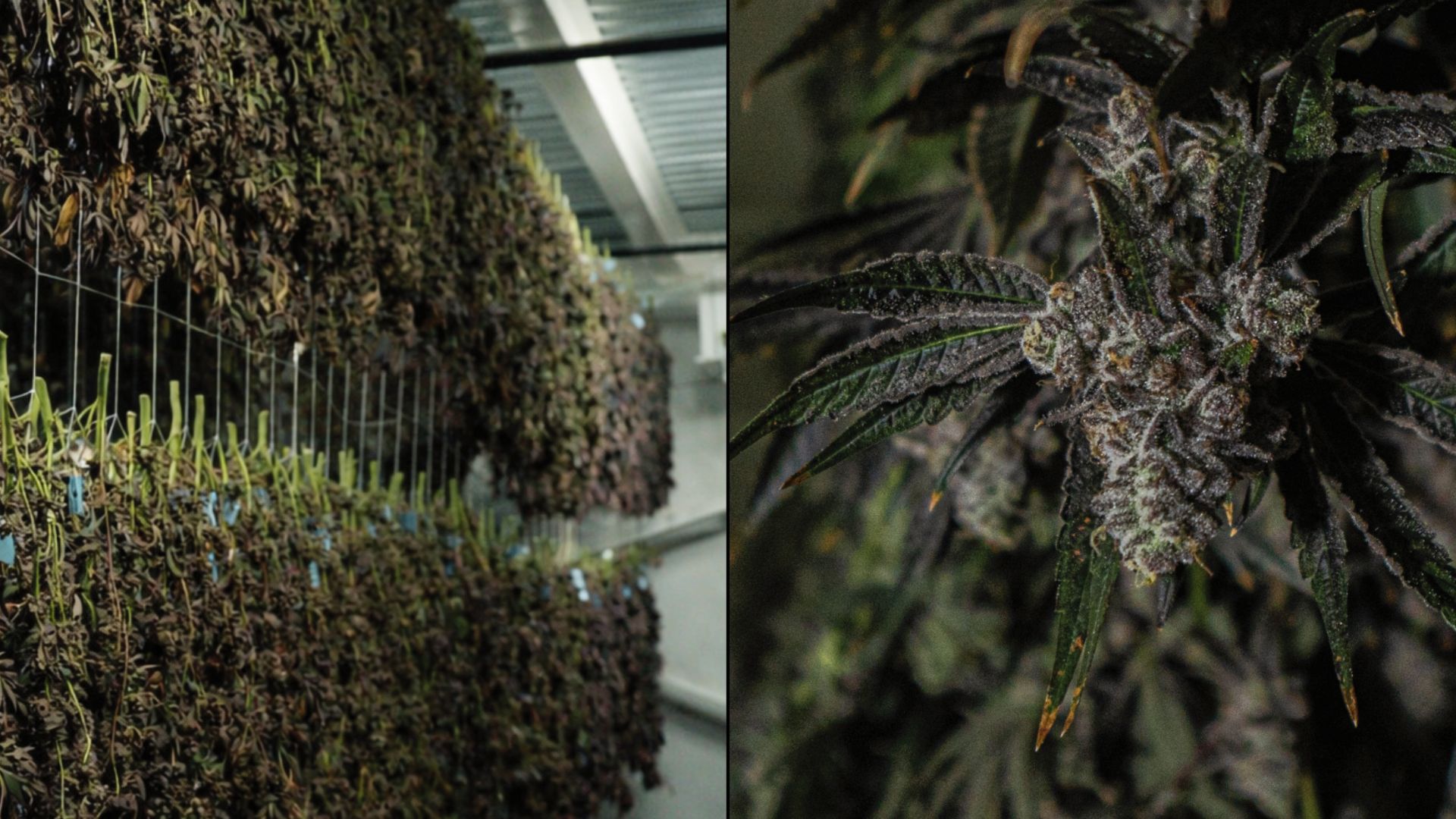
Curing and proper storage are what take your harvest from good to great over time.
Why Curing Marijuana Is Important
Curing continues the breakdown of chlorophyll and allows remaining moisture to leave slowly.
It makes buds smoother, more flavorful, and stronger. Most growers say curing is just as important as the growth itself.
How to Cure Marijuana in Glass Jars
Place dried buds loosely into wide-mouth glass mason jars. Fill jars about three-quarters full.
Seal them and store in a cool, dark space. Open the jars once or twice a day for the first two weeks to release moisture and fresh air.
Best Humidity for Curing Cannabis
Use a small humidity pack inside the jar to keep levels between 58 and 62 percent. Boveda packs are a popular option. They help regulate moisture without you having to guess.
How Long to Cure Marijuana
A minimum cure of two to four weeks is recommended. Many growers cure for six to eight weeks for better results. Some strains improve even more with a three-month cure.
Best Ways to Store Dried Marijuana Long Term
Store in airtight glass jars away from light and heat. Avoid plastic bags, which can build up static and damage trichomes.
Keep jars in a drawer or cabinet. For long-term storage, some growers use vacuum-sealed containers.
Expert Tips for Drying Marijuana Successfully
Small habits during drying make a big difference in your final results.
- Keep temperature between 60 to 70°F and humidity around 55 to 62% using a thermostat and hygrometer
- Point fans at walls, not directly at buds, to keep air moving without drying them too fast
- Check buds daily for mold, softness, and do the stem snap test starting around day six
- Be patient and give the drying process at least ten days for better flavor and smoothness
- Store cured buds in labeled glass jars, away from light and heat, for long-term freshness
Conclusion
I will be honest, the drying stage used to frustrate me. I wanted to skip it and get to the good part.
But after seeing the difference a slow, careful dry makes, I stopped rushing. Cool temps, low light, steady airflow, and patience that is the formula.
If you put in the work to grow it, do not shortcut the dry. Your buds deserve the full process. Now it is your turn.
Try these steps on your next harvest and see the difference yourself. Drop a comment below and let me know how it went.
Frequently Asked Questions
How do I know when marijuana is done drying?
Bend the stem. If it snaps cleanly, the bud is ready. If it bends without breaking, it still has moisture inside and needs more time.
Can I dry marijuana in a paper bag?
Yes, small amounts can be dried in a paper bag. Place buds loosely inside and keep the bag open slightly for airflow. This method works but is slower than hanging.
What happens if I dry marijuana too fast?
Drying too fast stops the breakdown of chlorophyll. This results in a grassy taste, harsh smoke, and lower potency. It also increases the chance of mold forming inside dense buds.
Does drying in the dark really matter?
Yes, it matters a lot. UV light breaks down THC and terpenes quickly. A dark room protects the compounds that give marijuana its strength, smell, and flavor.
How long should I cure marijuana after drying?
Cure for at least two to four weeks for a noticeable improvement. Most experienced growers prefer six to eight weeks. Some strains get even better after a full three months of curing.