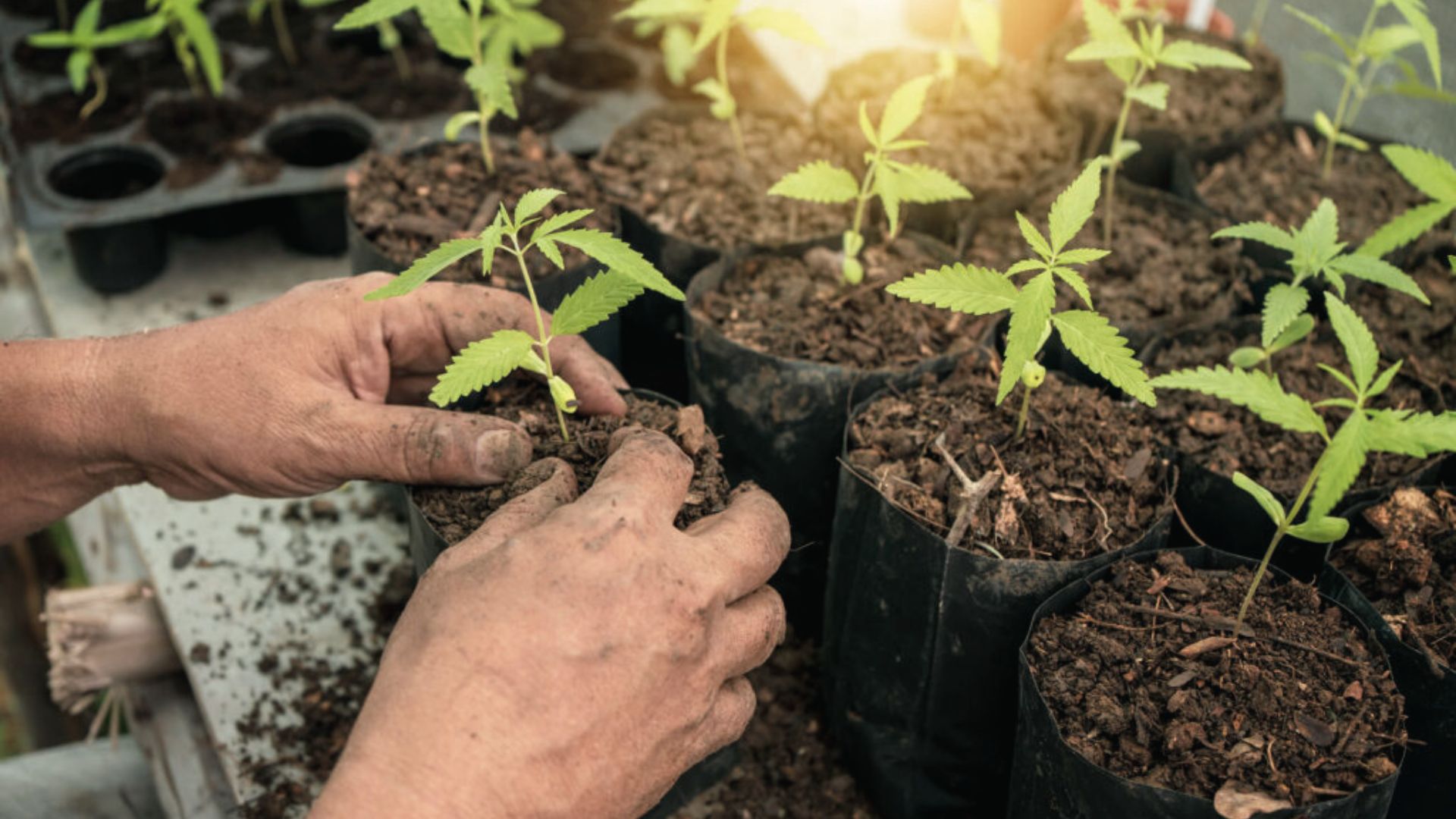
Knowing when to transplant cannabis seedlings can make or break your growth. Move too early, and your seedling struggles to survive.
Wait too long, and the roots get cramped with no room to grow. Either way, your plant pays the price. I've seen both mistakes firsthand, and I want to help you avoid them.
In this guide, you'll learn the right time to transplant, the clear signs your seedling is ready, the correct pot sizes to use, and how to move your plant without causing stress.
With years of hands-on growing experience behind this guide, you can trust what's here. Let's get into it.
Understanding Cannabis Seedling Transplanting
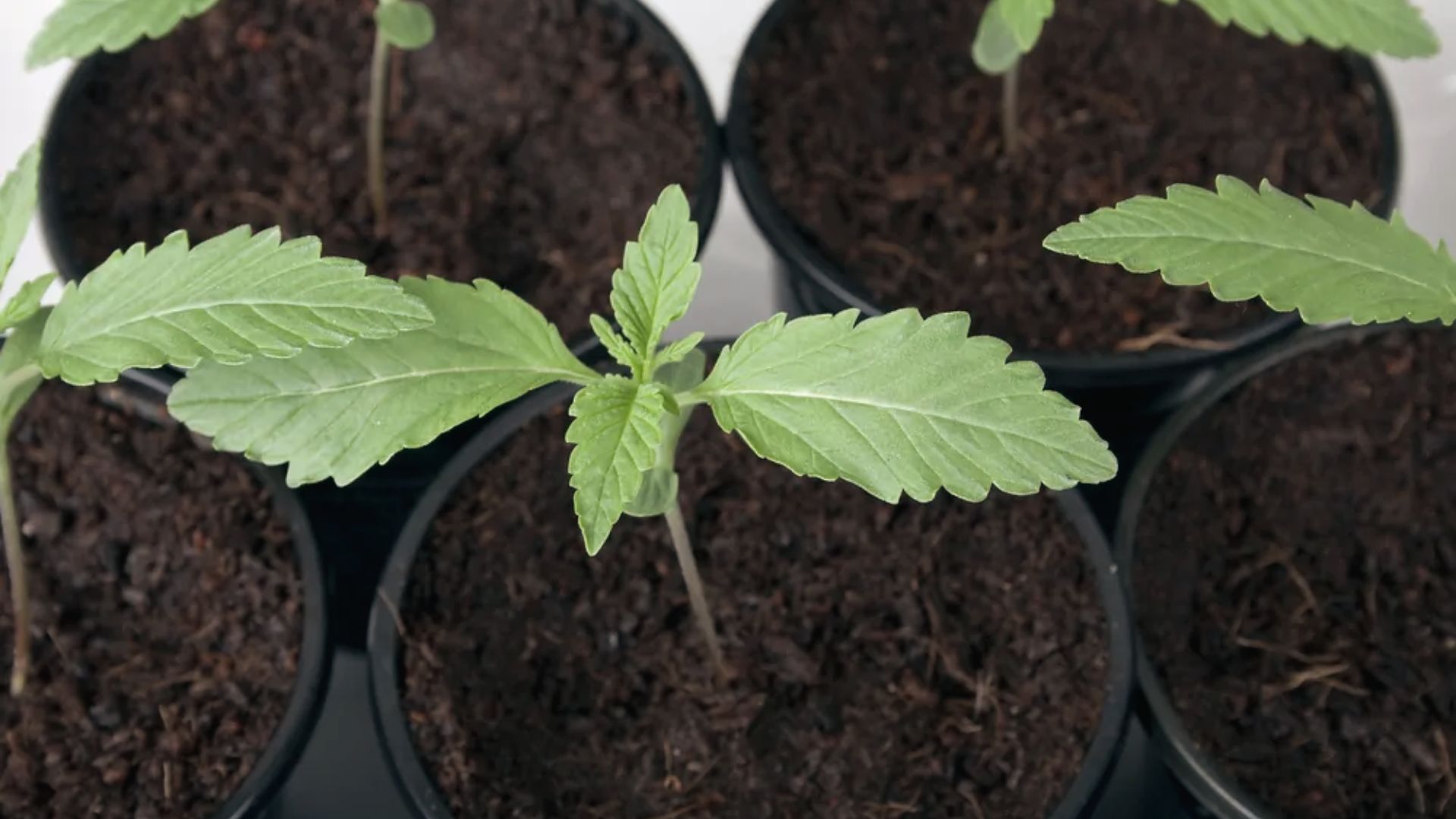
Transplanting means moving your cannabis seedling from a small container into a larger one, giving the roots more room to grow and spread.
Roots are the foundation of your plant. Strong roots absorb water and nutrients more efficiently, while weak roots slow growth and reduce your final yield.
When you transplant at the right time, your plant adjusts quickly, faces less stress, and keeps growing without setbacks.
Indoor grows give you more control over the environment, which makes the process a bit more straightforward.
Outdoor grows depend on the season and weather, so timing needs a little more attention. Either way, the core steps remain the same.
When to Transplant Cannabis Seedlings
Timing matters more than most growers realize, and getting it right changes everything.
The Best Time to Transplant Cannabis Seedlings
The best time to transplant cannabis seedlings is when they have three to four sets of true leaves.
At this point, the plant is strong enough to handle the move. It has enough root growth to stay stable in a new pot.
Signs Your Cannabis Seedlings Are Ready
Look for these signs before you transplant:
- Roots are visible through the drainage holes
- The plant looks slightly too big for its current pot
- Leaves are healthy and green with no yellowing
- The seedling has at least three sets of true leaves
How Root Development Affects Timing
Roots need to hold the soil together before you transplant. If roots are underdeveloped, the root ball falls apart during the move.
That causes stress and slows recovery. Wait until the roots are firm and dense.
When to Transplant Cannabis Seedlings Into Pots
Move seedlings into pots once they outgrow their starter container. This usually happens around two to three weeks after germination.
The plant should feel slightly root-bound but not completely stuck.
When to Transplant Cannabis Seedlings Outdoors
For outdoor grows, transplant after the last frost. Soil temperature should be at least 60°F (15°C).
Wait until nights are consistently warm so your plant does not go into shock from cold temperatures.
Choosing the Right Pot Size for Cannabis Seedlings
The right container sets your plant up for healthy, steady growth from day one.
Best Starter Containers for Seedlings
Start in a small container, around one to two gallons. Solo cups also work well.
Small containers help you water correctly without overwatering. They also keep root development tight and manageable in the early stages.
The 3-to-5x Pot Size Rule Explained
Each new pot should be three to five times bigger than the last. This gives roots enough room to spread without sitting in too much wet soil.
Too large a pot too soon leads to overwatering and root rot.
Fabric Pots vs Plastic Pots
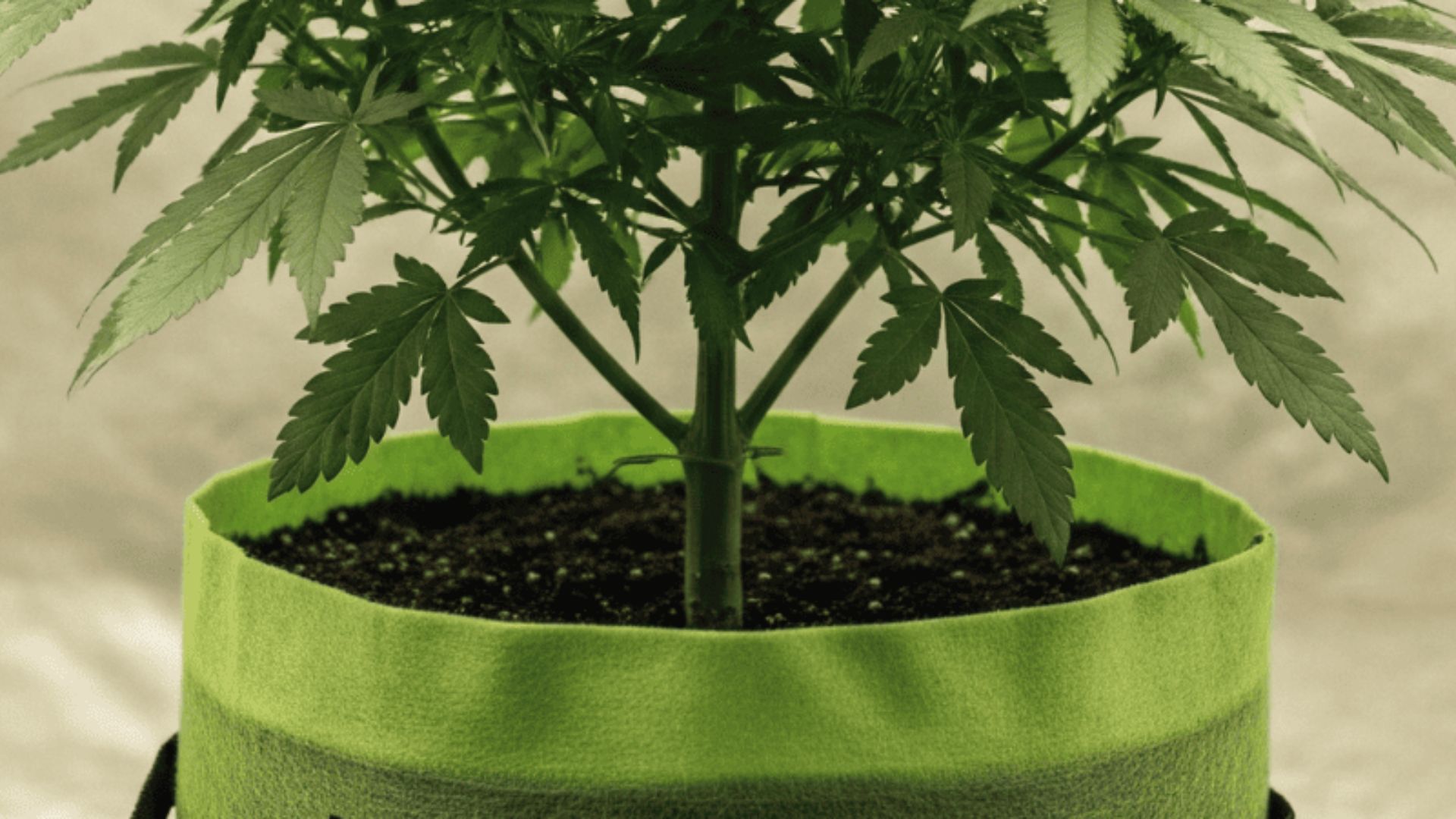
Fabric pots allow air to reach the roots. This process is called air pruning.
It stops roots from circling the pot and improves overall health. Plastic pots hold moisture longer, which can be helpful in dry climates but risky in humid ones.
Final Pot Size Recommendations for Indoor and Outdoor Grows
For indoor plants, a five to seven-gallon pot works for most grows.
Outdoor plants need more room, so go for ten gallons or more. Bigger pots support larger plants and higher yields when grown outside.
How to Transplant Cannabis Seedlings
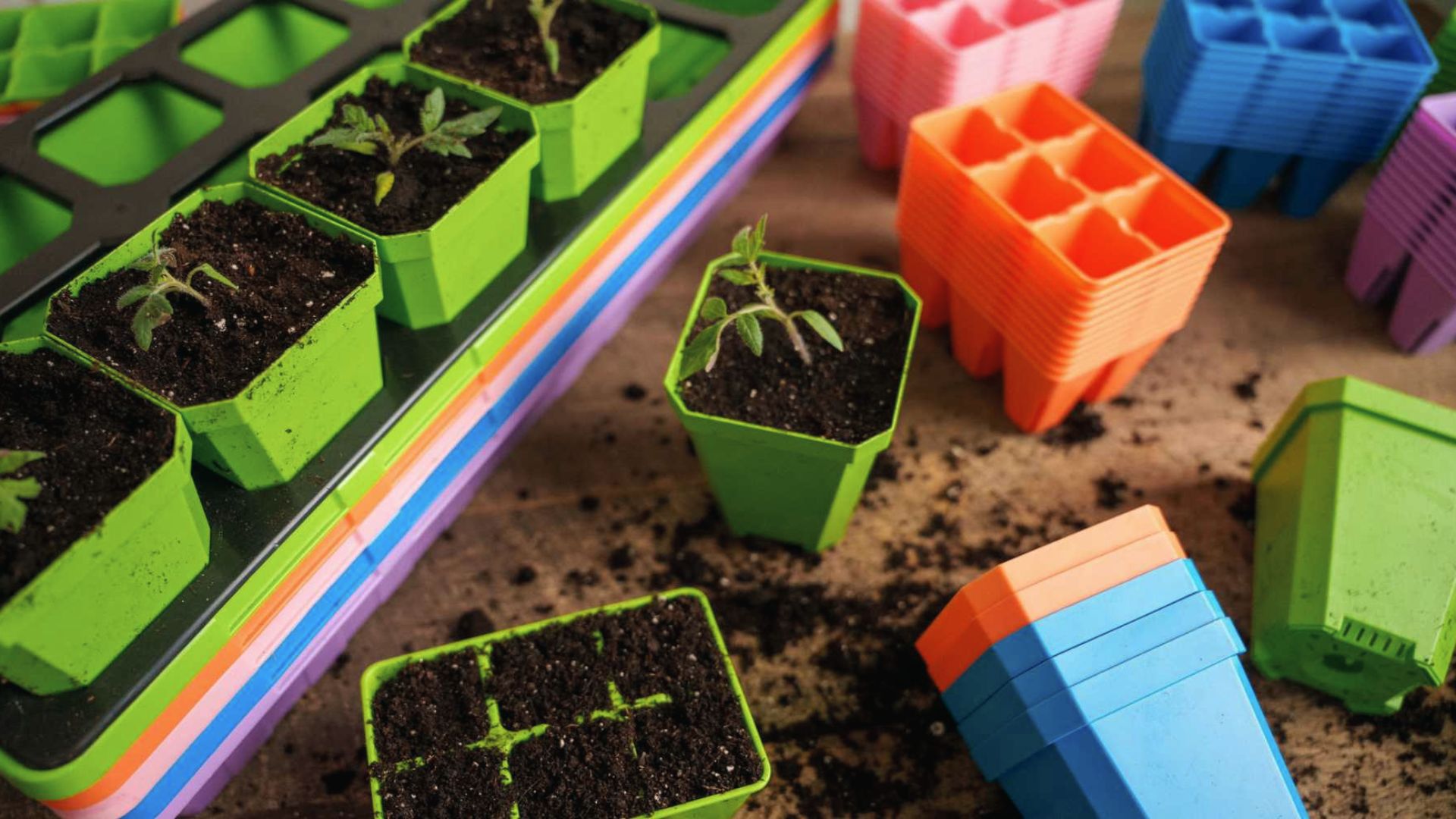
Follow each step carefully and your seedling will settle into its new pot with ease.
Preparing the New Pot and Soil
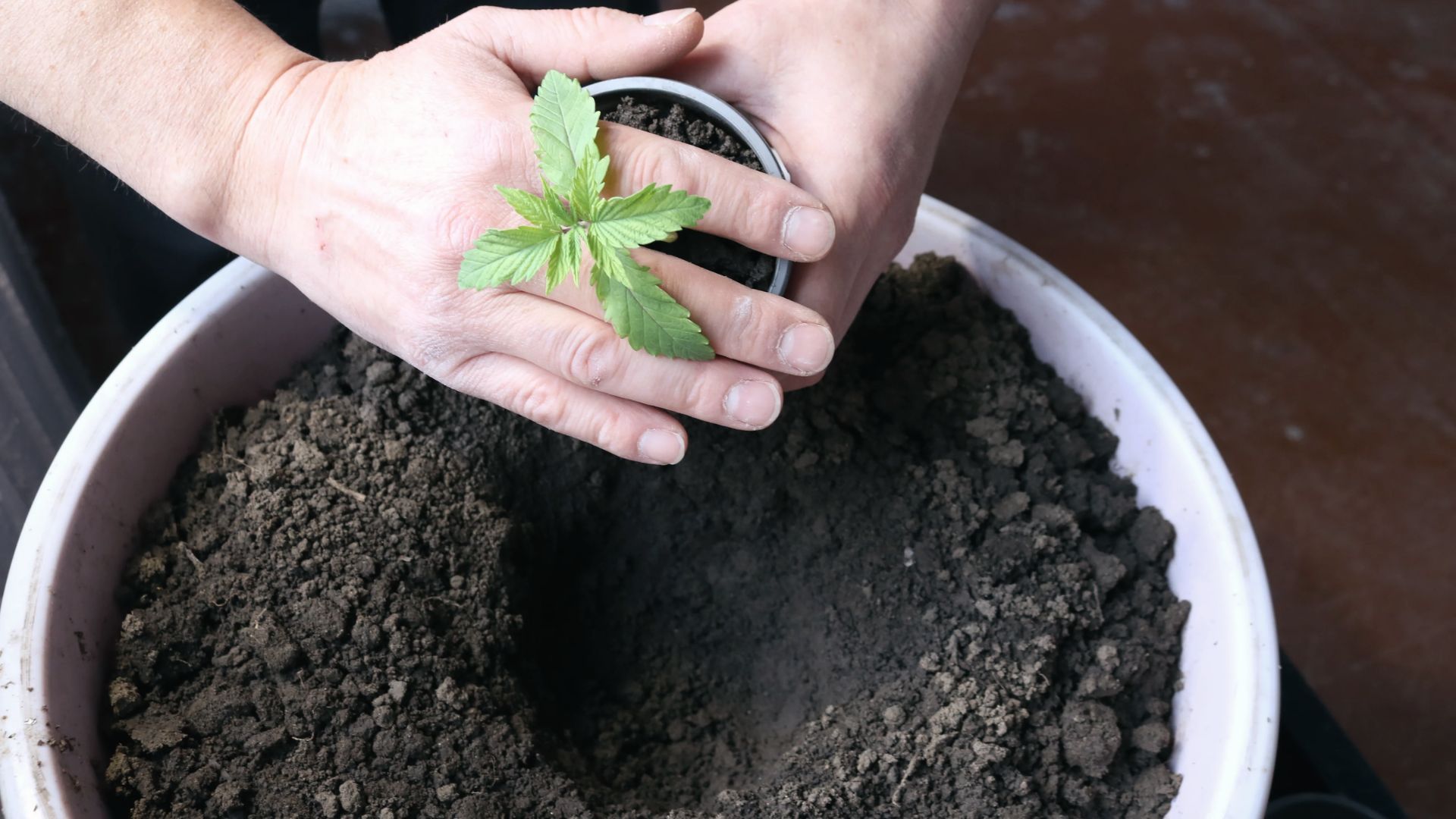
Fill the new pot about two-thirds with fresh, airy soil. Make a hole in the center the same size as the root ball. Pre-mixing perlite into your soil helps with drainage and root health.
Watering Before Transplanting
Water your seedling a few hours before transplanting. Moist soil holds the root ball together better than dry soil. Do not overwater. The goal is damp, not soaked.
Safely Removing the Seedling Root Ball
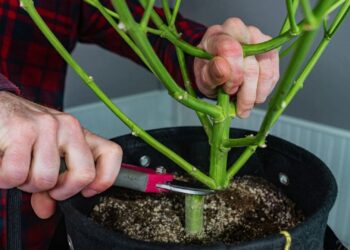
Gently squeeze the sides of the old container. Tip it upside down and let the root ball slide out naturally. Support the base of the plant with one hand. Avoid pulling the stem directly.
Placing Cannabis Seedlings Into Bigger Pots Correctly
Place the root ball into the hole you prepared. The top of the root ball should sit just below the soil surface.
Fill in around it gently and press lightly to remove air pockets. Do not pack the soil too tight.
Watering and Caring for Seedlings After Transplant
Water lightly around the base of the plant right after transplanting. This helps the soil settle around the roots.
Keep moisture consistent but do not flood the pot. The plant needs time to adjust.
Common Cannabis Transplant Problems and Solutions
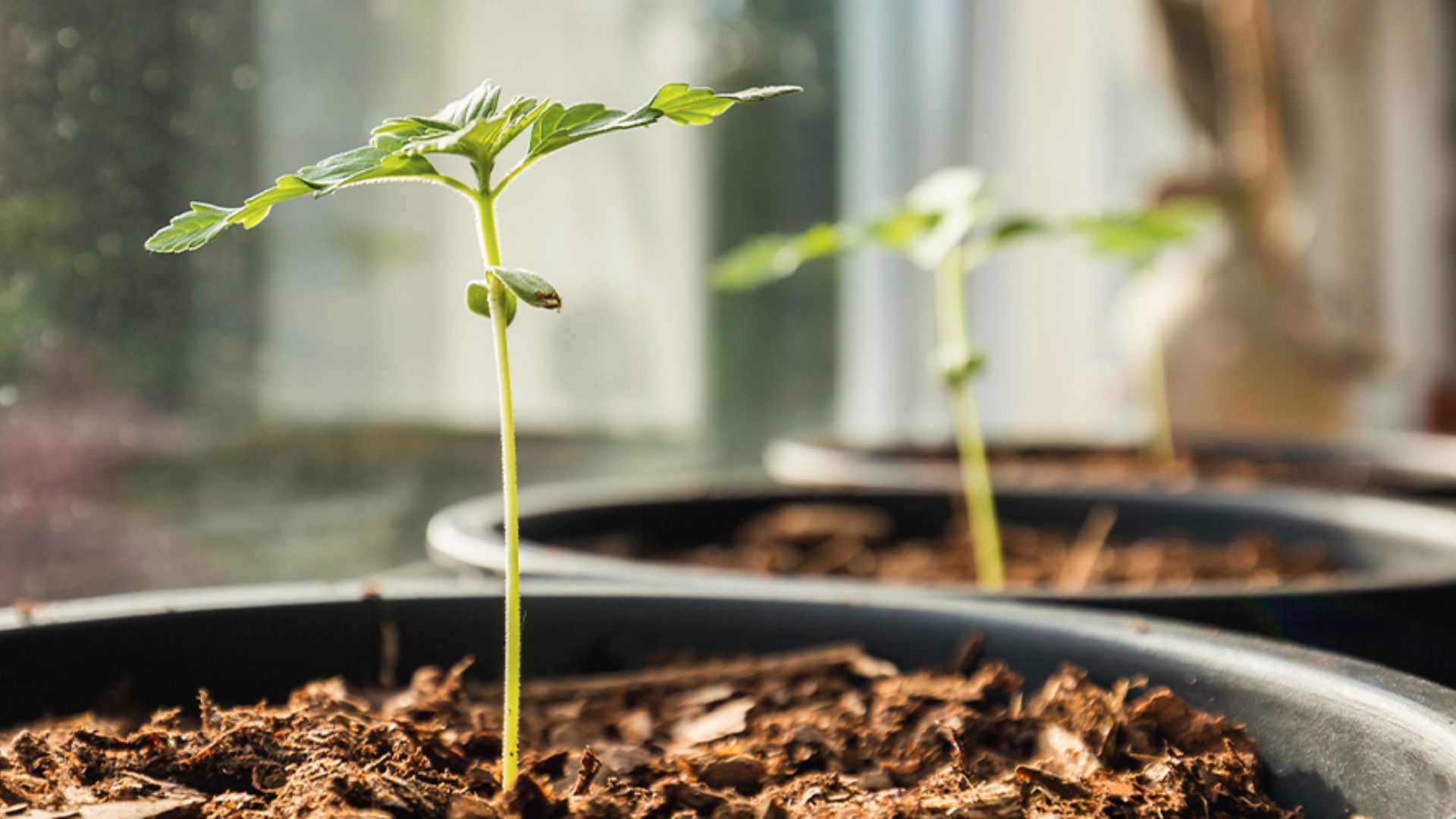
Knowing what can go wrong helps you act fast and keep your plant healthy.
Signs of Transplant Shock
Transplant shock looks like drooping leaves, slow growth, or slight discoloration. This is normal for a day or two.
If it lasts longer than three days, check your watering and light levels.
Overwatering After Transplanting
This is one of the most common mistakes. The new pot has more soil than roots at first. Extra soil stays wet for longer, which can lead to root rot. ‘
Water only when the top inch of soil feels dry.
Transplanting Too Early or Too Late
Too early means weak roots that fall apart. Too late means a root-bound plant that is already stressed. Both affect growth and yield.
Stick to the signs listed above to find the right window.
Root Bound Cannabis Seedlings
A root-bound plant has roots wrapping in circles inside the pot. You can gently untangle some roots before transplanting.
This encourages outward growth and reduces the risk of the problem continuing.
How to Help Seedlings Recover Faster
Keep the plant in a calm, stable environment after transplanting. Lower your light intensity slightly for the first day or two.
Avoid feeding for at least one week. Let the plant focus on settling in first.
Tips for Healthy Growth After Transplanting
Small adjustments after transplanting can lead to noticeably stronger, faster plant growth.
- Keep temperature between 70°F and 80°F and humidity at 50 to 60 percent to support steady recovery after transplant.
- Lower light intensity for the first day or two, then slowly bring it back up as the plant shows new growth.
- Wait five to seven days before adding any nutrients, and start with a light dose to avoid overfeeding stressed roots.
- Water only when the top inch of soil feels dry, and always use room-temperature water to protect the roots.
- Use aerated soil with perlite, avoid waterlogging, and keep an eye on root growth so you can transplant before the plant becomes root-bound.
Conclusion
Getting the timing right when you transplant cannabis seedlings makes growing so much easier.
I have seen plants take off after a smooth transplant, and it is genuinely satisfying. Focus on healthy roots, the right pot size, and a gentle process.
Your plants will reward you for it. If this guide helped you, leave a comment below and share your experience. Have questions about your growth?
Drop them in the comments. Share this post with a fellow grower who could use the help.
Frequently Asked Questions
How do I know when cannabis seedlings are ready to transplant?
Look for three to four sets of true leaves and roots showing through drainage holes. These are clear signs the plant is ready for a bigger pot.
Can I transplant cannabis seedlings directly into a large pot?
It is better to transplant in stages. Large pots hold too much water for small root systems, which increases the risk of overwatering and root rot.
How long does transplant shock last in cannabis seedlings?
Mild shock usually clears up in one to three days. If drooping continues past that, check your watering habits, light levels, and soil conditions.
Should I water before or after transplanting cannabis seedlings?
Water a few hours before transplanting to hold the root ball together. After transplanting, water lightly to help the soil settle around the roots.
What is the best soil mix for transplanting cannabis seedlings?
Use a light, well-draining mix with added perlite. This gives roots the oxygen and drainage they need to grow strong after the move.