I’ve watched plants struggle, and it’s frustrating when you can’t figure out why. Yellowing leaves, brown edges, and stunted growth are clear signs something is wrong but what exactly?
The marijuana deficiency chart is a visual tool every grower needs to diagnose problems fast and fix them before they damage your yield.
In this blog, I’ll walk you through how to read your plant’s symptoms, match them to specific nutrient problems, and take the right action.
We cover macronutrients, secondary nutrients, and trace elements. You’ll also learn how to avoid common diagnosis mistakes.
With years of growing experience behind this guide, you can trust what’s here.
Why Nutrient Deficiencies Are a Major Issue in Cannabis Cultivation
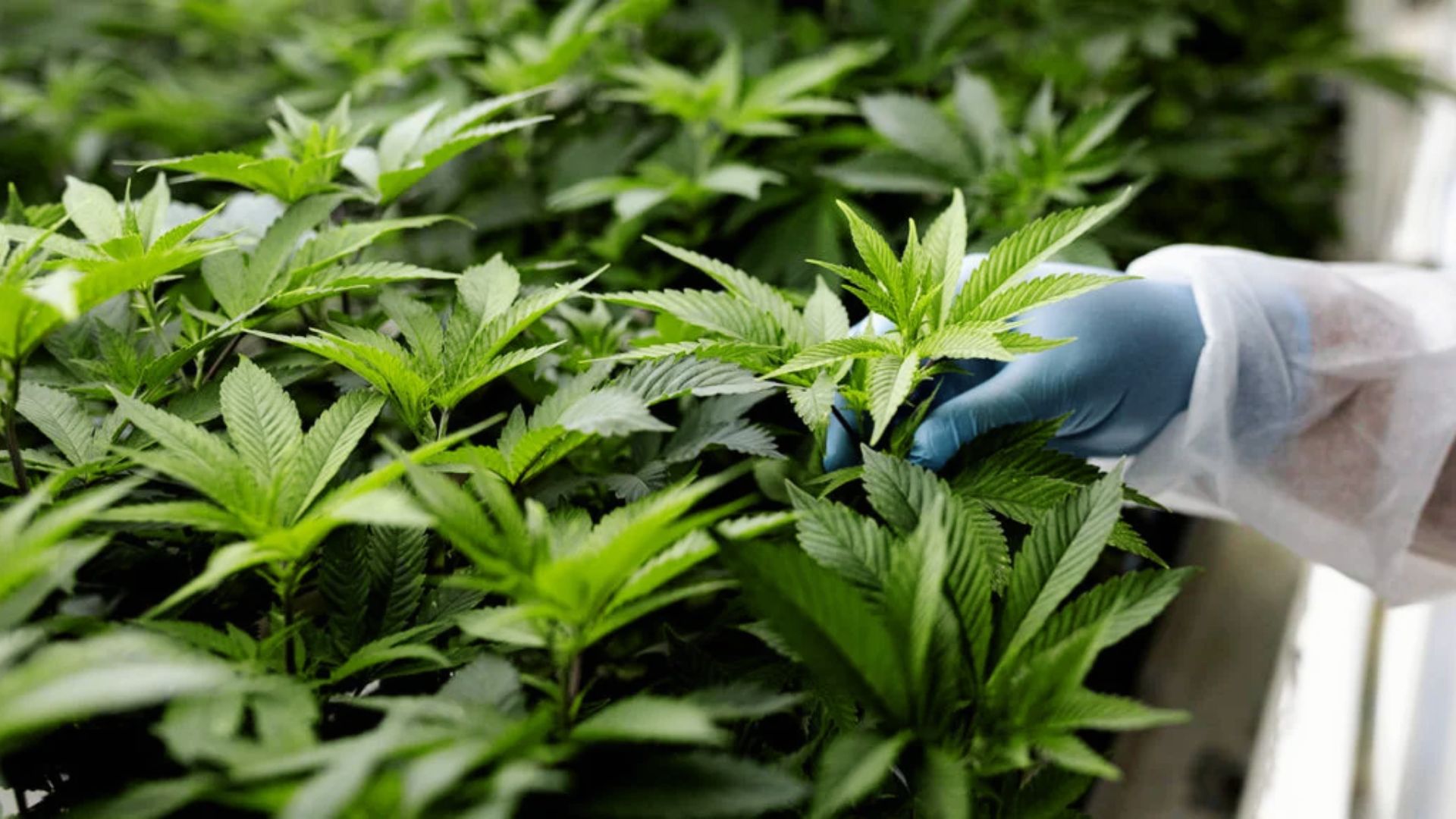
Nutrient problems are one of the top reasons cannabis plants fail to reach their full potential.
Cannabis plants need a steady supply of nutrients throughout their growth cycle. When even one nutrient goes missing or gets blocked, the plant starts showing stress.
Left untreated, these issues slow growth, reduce bud quality, and cut your final yield.
The tricky part? Many deficiencies look similar at first glance. A grower who guesses wrong and throws extra nutrients at the plant often makes things worse.
That’s why having the right diagnostic tool matters.
Key Elements in the Chart
The chart focuses on three main areas: leaf color, leaf shape, and overall plant structure.
Leaf Color Changes
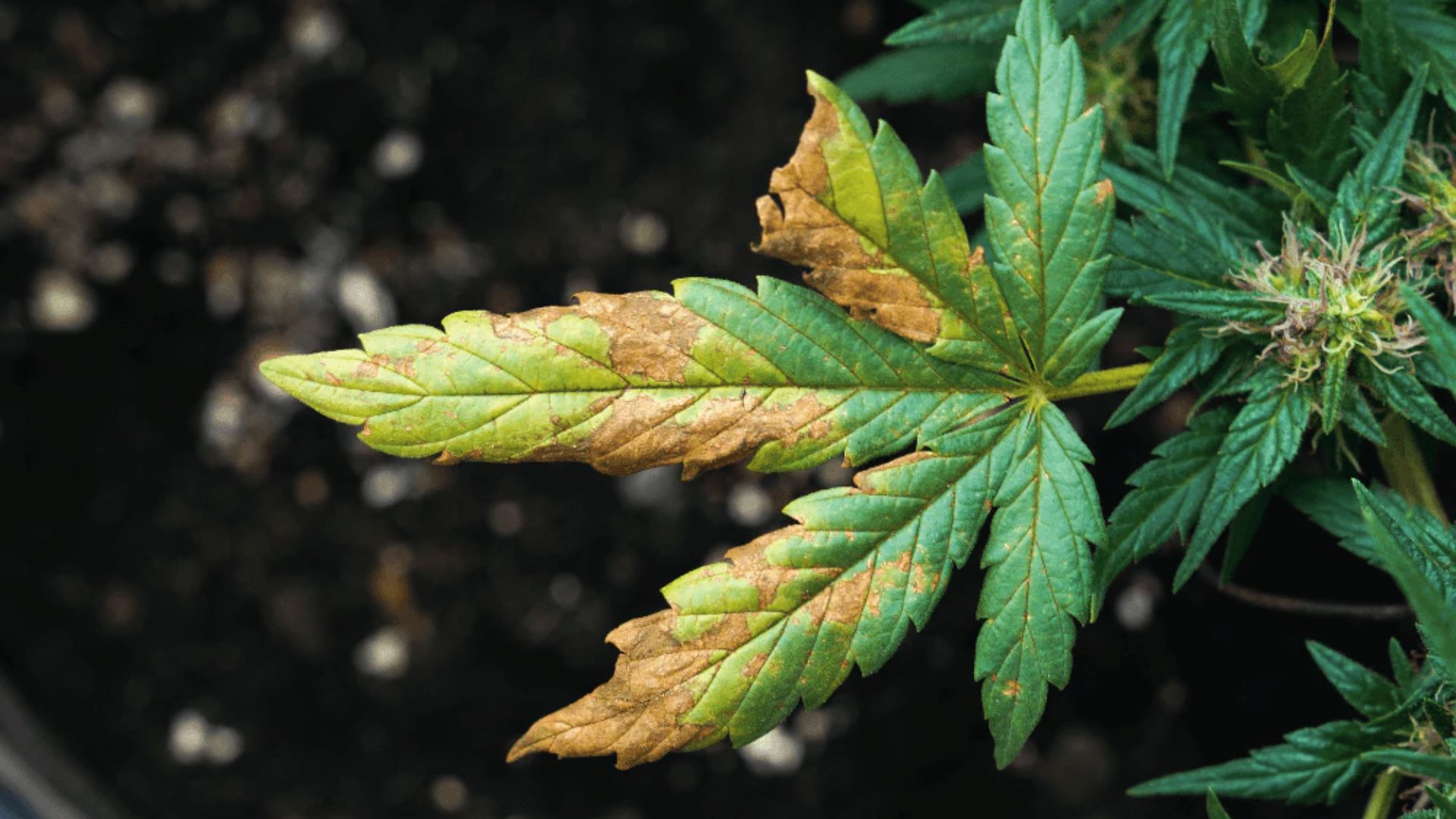
Color is the first visible sign. Yellow, brown, purple, or dark green leaves each point to different nutrient issues. The shade and location of the color change matter.
Leaf Shape and Curling Patterns
Curling upward, curling downward, twisting, or crinkling all mean different things. Shape changes usually show up slightly after color changes.
Growth Rate and Plant Structure Changes
Slow growth, weak stems, and poor branching can also signal nutrient problems. These structural changes often confirm what the leaf symptoms already suggest.
Why Visual Charts Are More Effective Than Guesswork
A visual chart gives you facts. Guesswork gives you risks.
Faster Diagnosis for Growers
Comparing your plant to a chart takes minutes. Without a chart, you might spend days trying different fixes and watching the plant get worse.
Reduces Incorrect Nutrient Treatments
Adding the wrong nutrient can lock out others and create new problems. A chart helps you target the real issue from the start.
Helps Beginners Avoid Costly Mistakes
New growers often overfeed when they see problems. A chart teaches them to slow down, observe carefully, and respond correctly.
Macronutrient Deficiencies Explained (NPK Necessities)
Nitrogen, phosphorus, and potassium are the three main nutrients your cannabis plant needs to grow strong and produce well.
Nitrogen Deficiency Signs
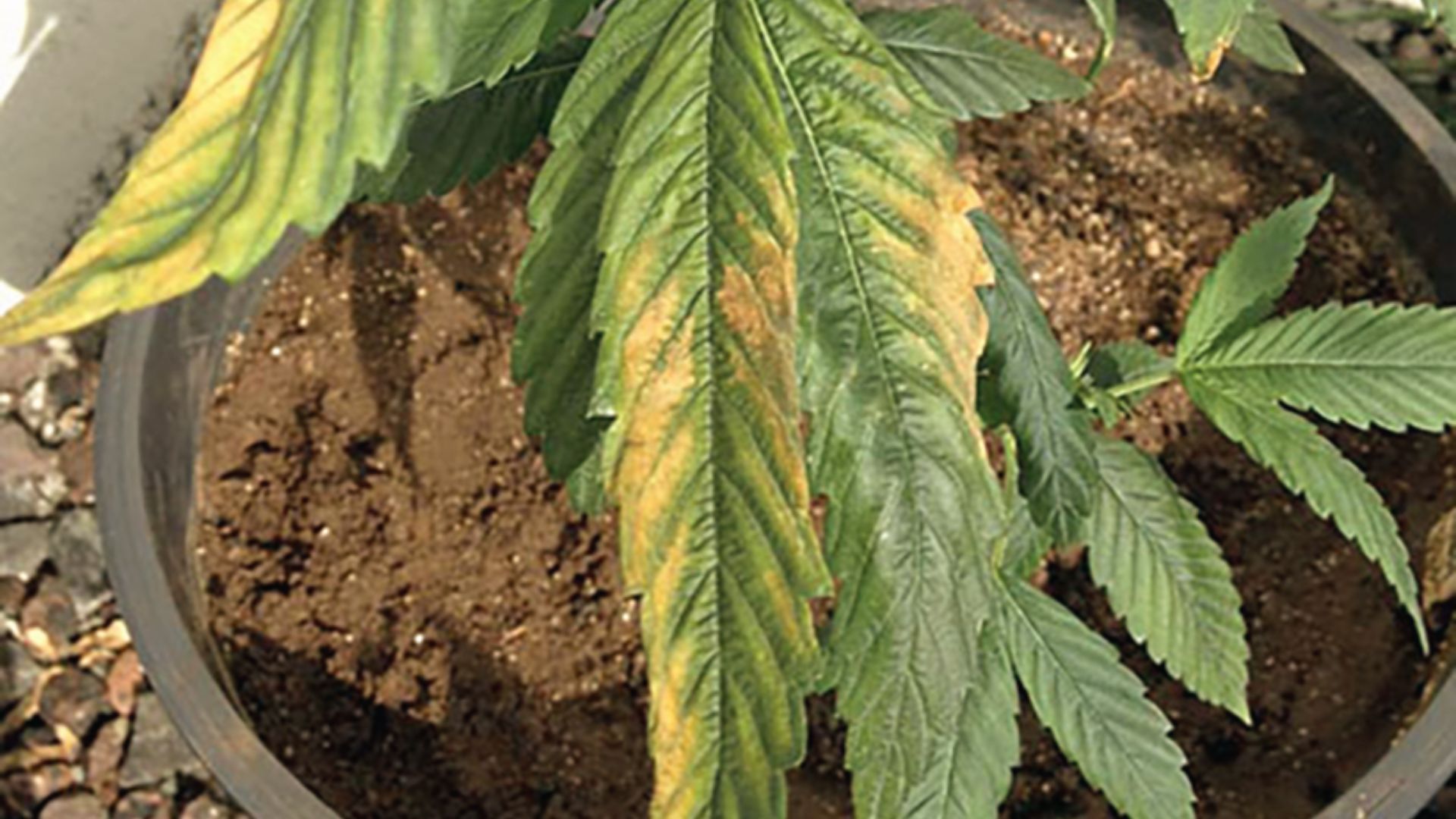
Nitrogen is used heavily during the vegetative stage. When it runs low, older leaves turn yellow and the plant slows down. Growth becomes weak, and leaves may drop early.
Phosphorus Deficiency Signs
Low phosphorus shows up as dark green or purple-tinted leaves. Flowering slows down, roots develop poorly, and the plant struggles to build strong buds.
Potassium Deficiency Signs
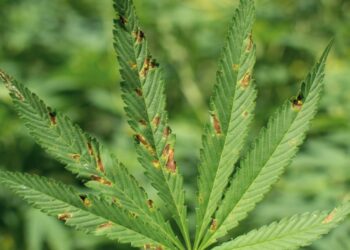
Potassium issues cause burnt-looking edges on leaves, especially on older growth. Stems become weak, and bud formation suffers noticeably.
Secondary Nutrient Deficiencies (Calcium and Magnesium)
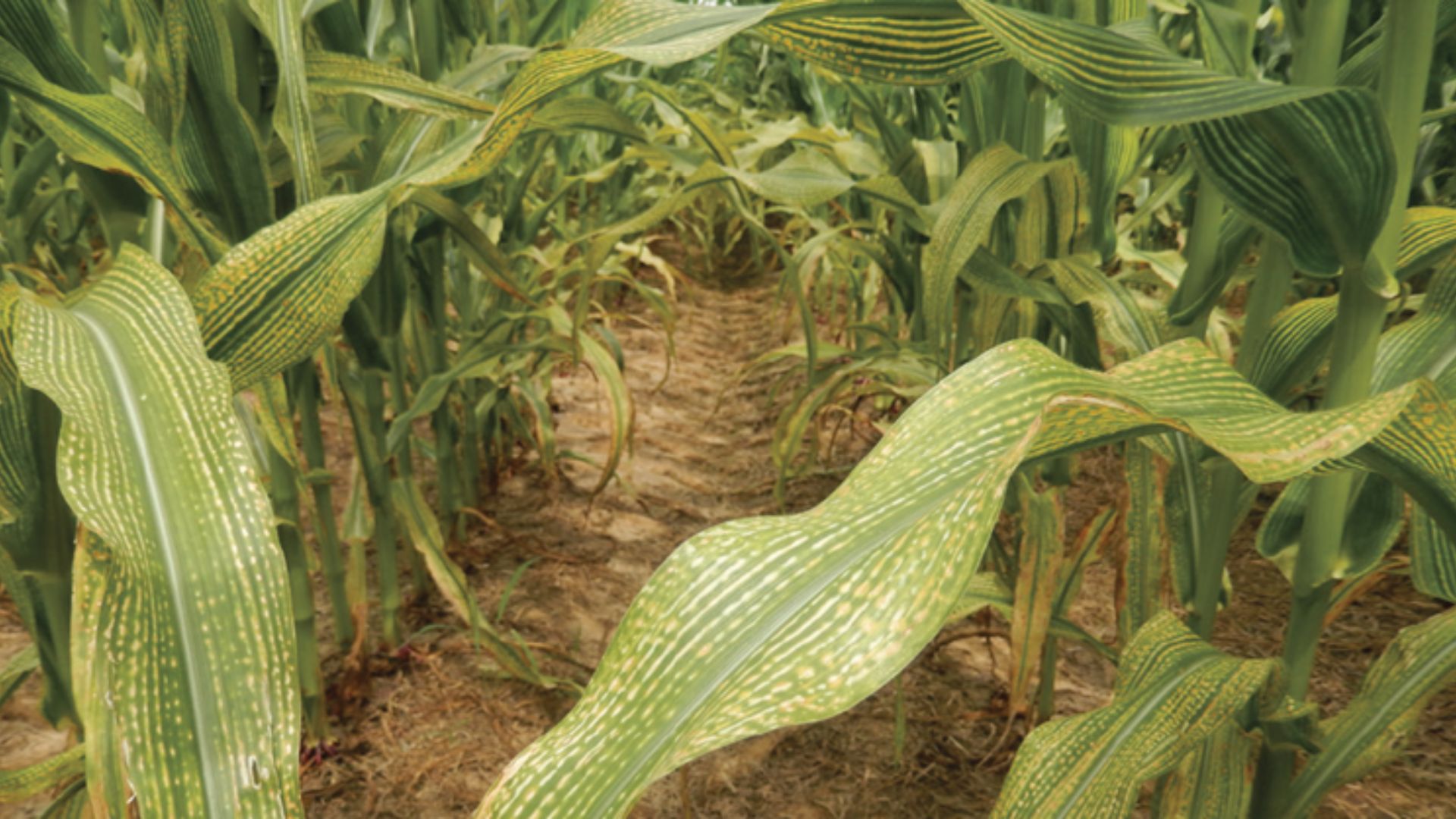
Calcium and magnesium work closely together, and both are needed in higher amounts than most other secondary nutrients.
Calcium Deficiency Symptoms
Calcium problems cause weak stems and distorted new leaves. Root development slows, making it harder for the plant to absorb other nutrients.
Magnesium Deficiency Symptoms
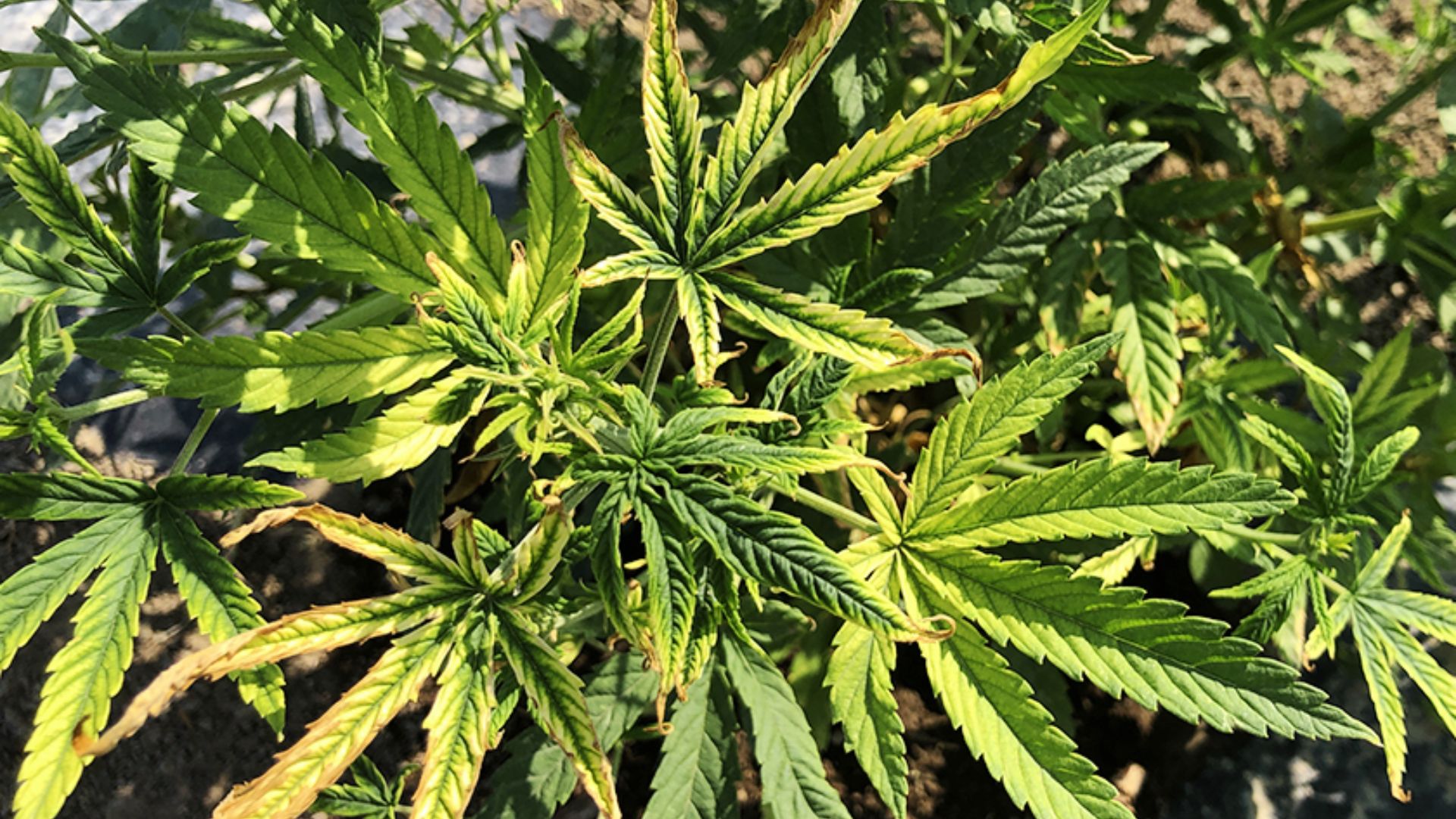
Magnesium deficiency shows as yellowing between the veins on older leaves while the veins stay green. This pattern is called interveinal chlorosis. Lower leaves curl and drop over time.
Micronutrient Deficiencies in Cannabis Plants
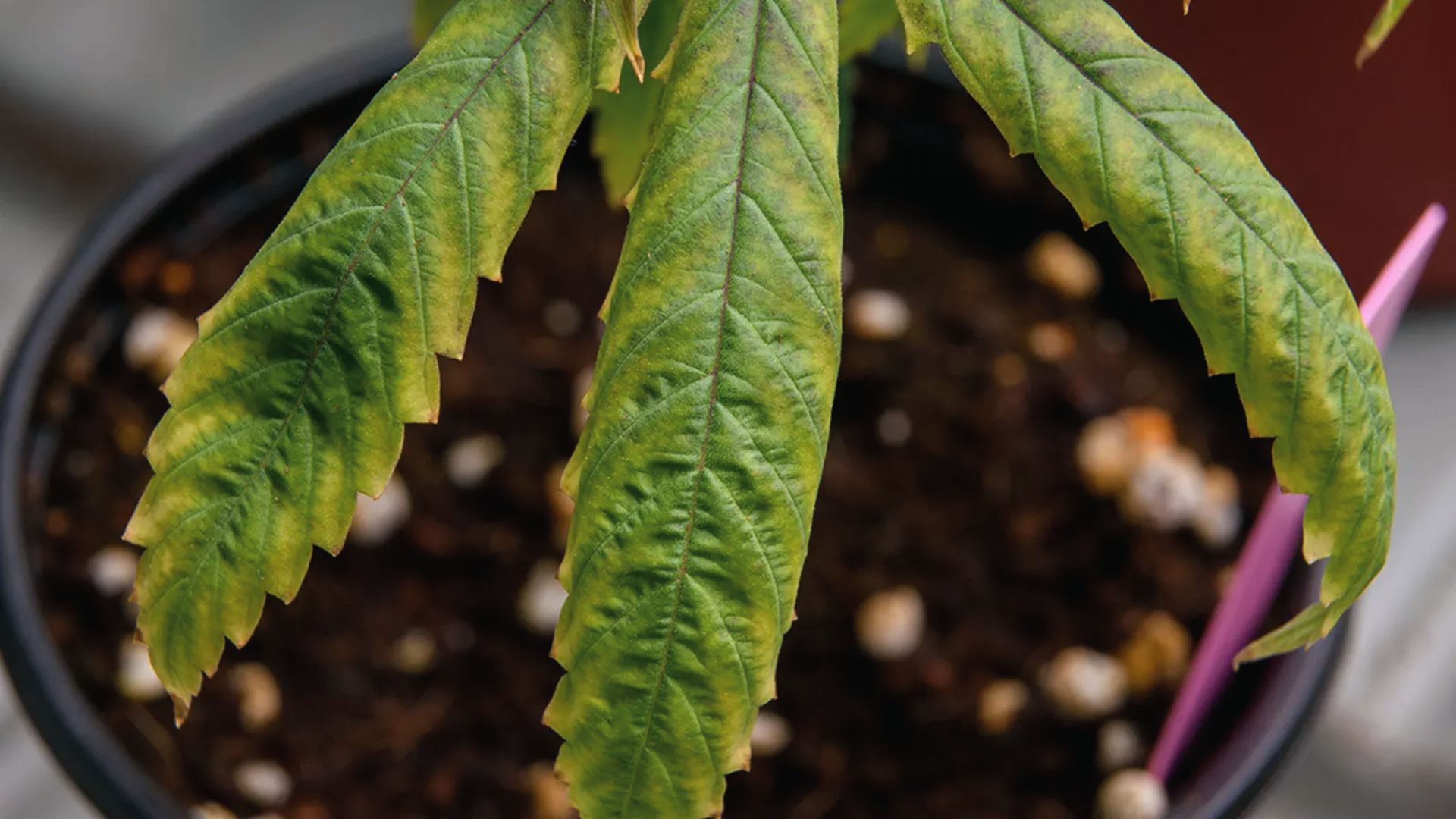
Trace elements are needed in small amounts, but they still play a big role in plant health and metabolism.
Iron and Zinc Deficiency Signs
Iron deficiency causes yellowing in new growth while the veins stay green. Zinc deficiency leads to small, misshapen leaves and slowed growth in young shoots.
Boron, Copper, and Manganese Issues
Boron deficiency twists new growth tips and makes stems brittle. Copper and manganese issues cause irregular spots, necrosis, and unusual leaf patterns that can be easy to confuse with other problems.
Common Mistakes When Diagnosing Deficiencies
Even experienced growers get this wrong sometimes, and it can set your growth back by weeks.
- Confusing nutrient deficiency with overfeeding
- Ignoring temperature or humidity as possible causes
- Adding multiple nutrients at once without testing first
- Not waiting long enough to see if a fix is working
How to Use a Marijuana Deficiency Chart Effectively
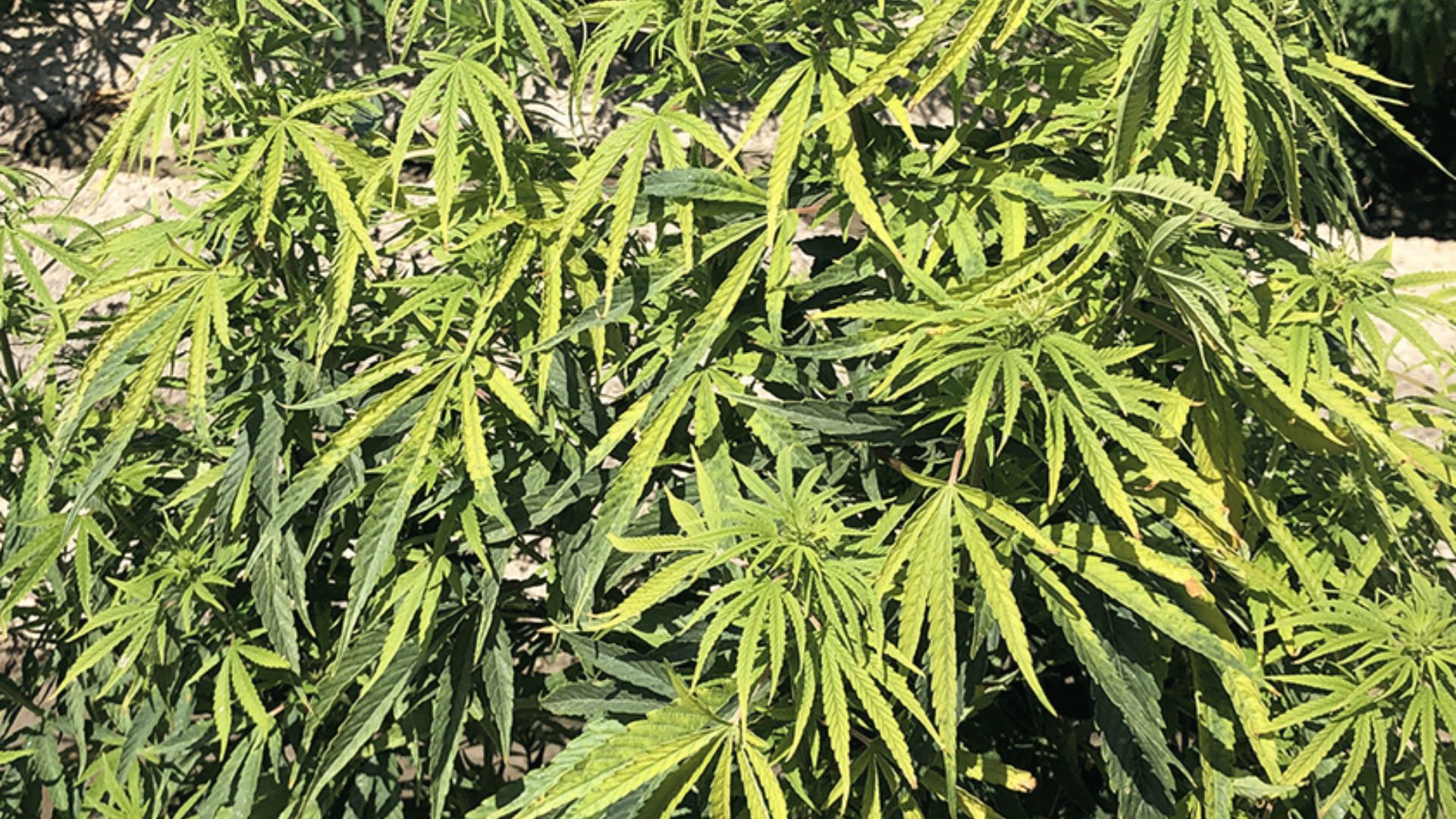
Using the chart properly means following a clear process instead of jumping to conclusions.
Identify Where Symptoms Appear
Start by noting where the problem is showing up. Older leaves and newer leaves tell different stories.
Mobile nutrients move from old to new growth, so deficiencies show in older leaves first. Immobile nutrients stay fixed, so problems appear in newer growth.
Match Visual Signs
Look at the color, texture, shape, and pattern. Compare these closely to what the chart shows for each nutrient. Don’t rush this step.
Confirm with pH and Feeding Check
Before treating, check your pH and review your recent feeding history.
A pH imbalance causes lockout, which looks just like a deficiency. Fixing pH often clears the symptoms without adding any nutrients.
Quick Tips Before You Start
Simple habits that save time and protect your plants from the start.
- Check pH first. Before assuming a deficiency, always test your pH. Most nutrient problems come from lockout, not lack of nutrients.
- Look at the leaf location. Older leaves show signs of mobile nutrient loss. Newer leaves point to immobile nutrient problems.
- Avoid overfeeding. Adding more nutrients while correcting an issue makes things worse. Go slow and steady.
- Stick to a feeding schedule. Random feeding creates instability. Consistent routines keep your plants balanced and healthy.
- Keep a grow journal. Track what you feed, when you water, and how your plant responds. It makes diagnosis much easier next time.
Conclusion
I’ve had growth where I ignored early signs and paid for it later. Trust me, catching problems early makes all the difference.
The marijuana deficiency chart is one of the best tools you can keep close during your growth.
It saves time, reduces waste, and keeps your plants on track. Start observing more, act on what you see, and stay consistent with your routine.
If this guide helped you, drop a comment below and let me know. Share it with a fellow grower who might need it too.
Frequently Asked Questions
What does a marijuana deficiency chart show?
A marijuana deficiency chart shows the visual symptoms of each nutrient problem. It helps growers match what they see on their plants to a specific deficiency, making diagnosis faster and more accurate.
Why do my cannabis leaves keep turning yellow?
Yellowing leaves are most often linked to nitrogen deficiency, but pH lockout and overwatering can cause the same look. Always check pH and feeding history before adding more nutrients.
How do I tell the difference between a deficiency and a toxicity?
Deficiency shows loss of color and weak growth. Toxicity usually causes dark, burnt, or clawed leaves from too much of a nutrient. A marijuana deficiency chart helps you spot the difference by comparing specific symptoms.
Can pH cause false deficiency symptoms?
Yes. When pH is too high or too low, nutrients get locked out even if they’re present in the soil. This is called nutrient lockout and it mimics deficiency. Fixing pH is often the only step needed.
How often should I check my plants for deficiencies?
Check your plants at every watering, or at least every few days. Early detection gives you more time to fix problems before they affect yield. Keep a grow journal to track changes over time.