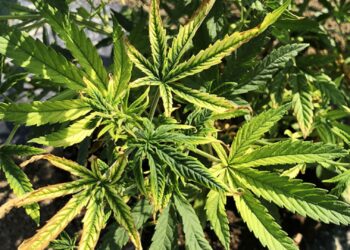
I’ve seen calcium toxicity cannabis problems destroy promising growth more than once. It sneaks up on you, and by the time you notice, the damage is already spreading.
This article covers everything you need to know, What calcium toxicity looks like, What causes it, and how to fix it fast.
I’ve worked through these problems firsthand, and I’ll walk you through each step clearly. No guesswork. No confusing charts.
You’ll know exactly what to do after reading this.
Whether your leaves are clawing, yellowing, or just looking off, this guide will help you find the answer. Thousands of growers face this same issue every season. Let’s sort it out together.
Understanding Calcium Toxicity in Cannabis
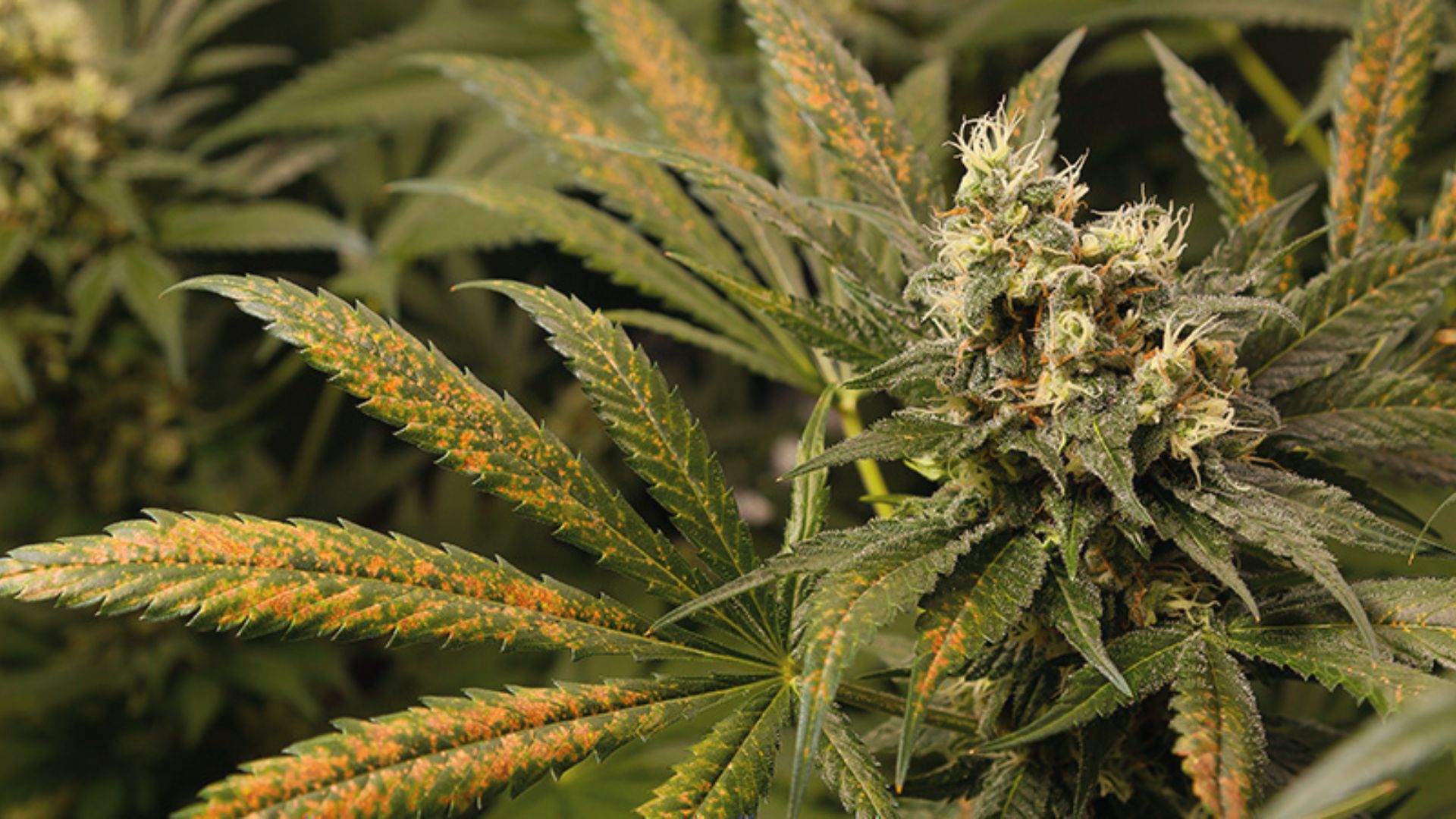
Calcium is a building block for cannabis plants. It supports cell walls, helps roots absorb water, and keeps the plant stable under stress.
Too much calcium is just as harmful as too little. Deficiency shows up as yellowing between leaf veins and weak new growth.
Toxicity causes dark green leaves, tip burn, and nutrient lockout. Mixing these two up is a common mistake.
Excess calcium blocks magnesium, potassium, and iron from being absorbed in a process called antagonism.
Adding more cal-mag when calcium is already high makes things worse. Always check your runoff EC and pH first.
Keeping calcium balanced through every growth stage directly affects your final yield.
Calcium Toxicity Cannabis Symptoms
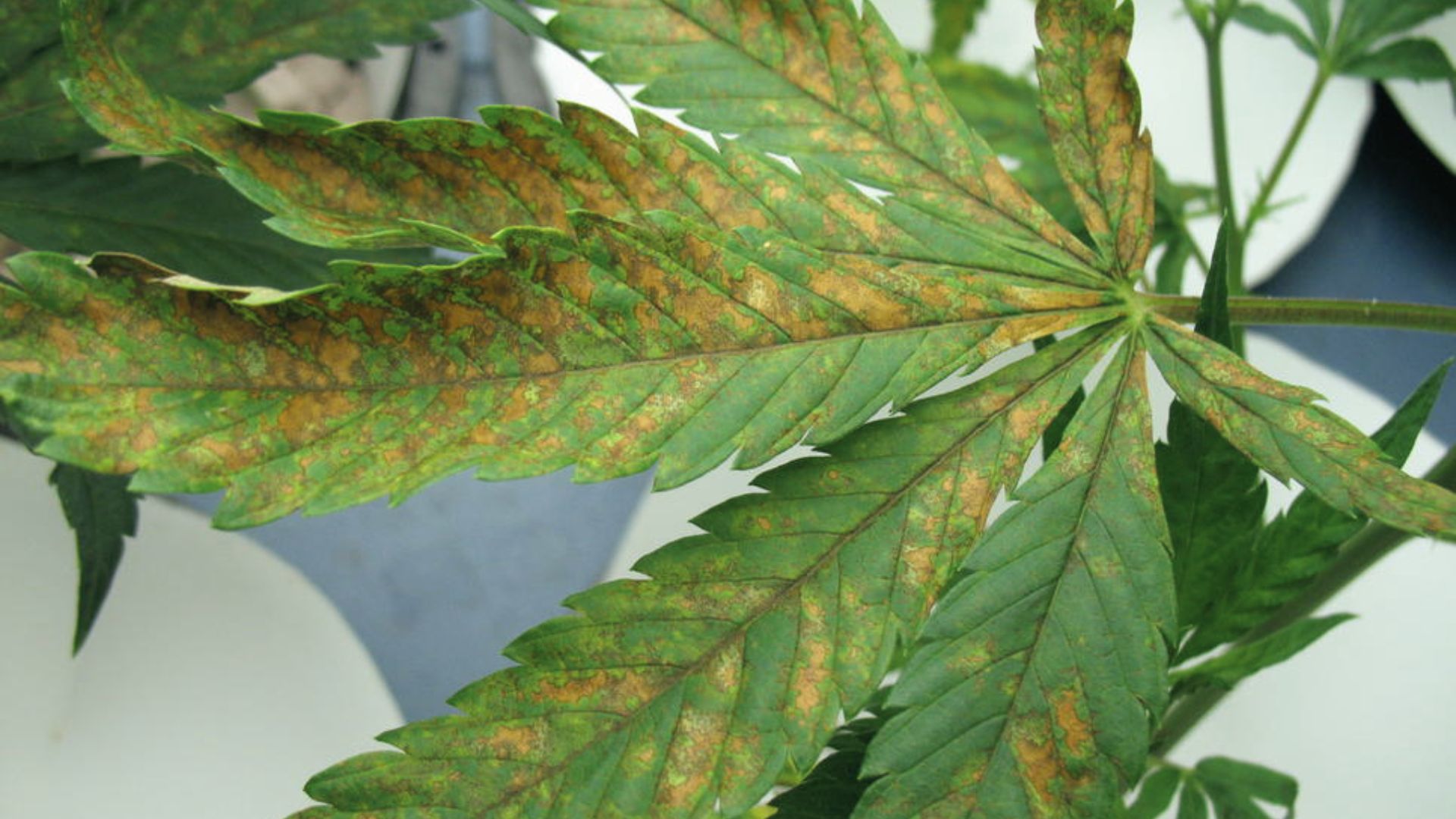
Spotting the right symptoms early can save your plants before the damage gets too serious.
Dark Green and Clawing Leaves
Leaves turning very dark green and clawing downward at the tips is an early stress sign. It points to too much calcium in the root zone. It is often confused with nitrogen toxicity.
Brown Spots, Burned Tips, and Leaf Curling
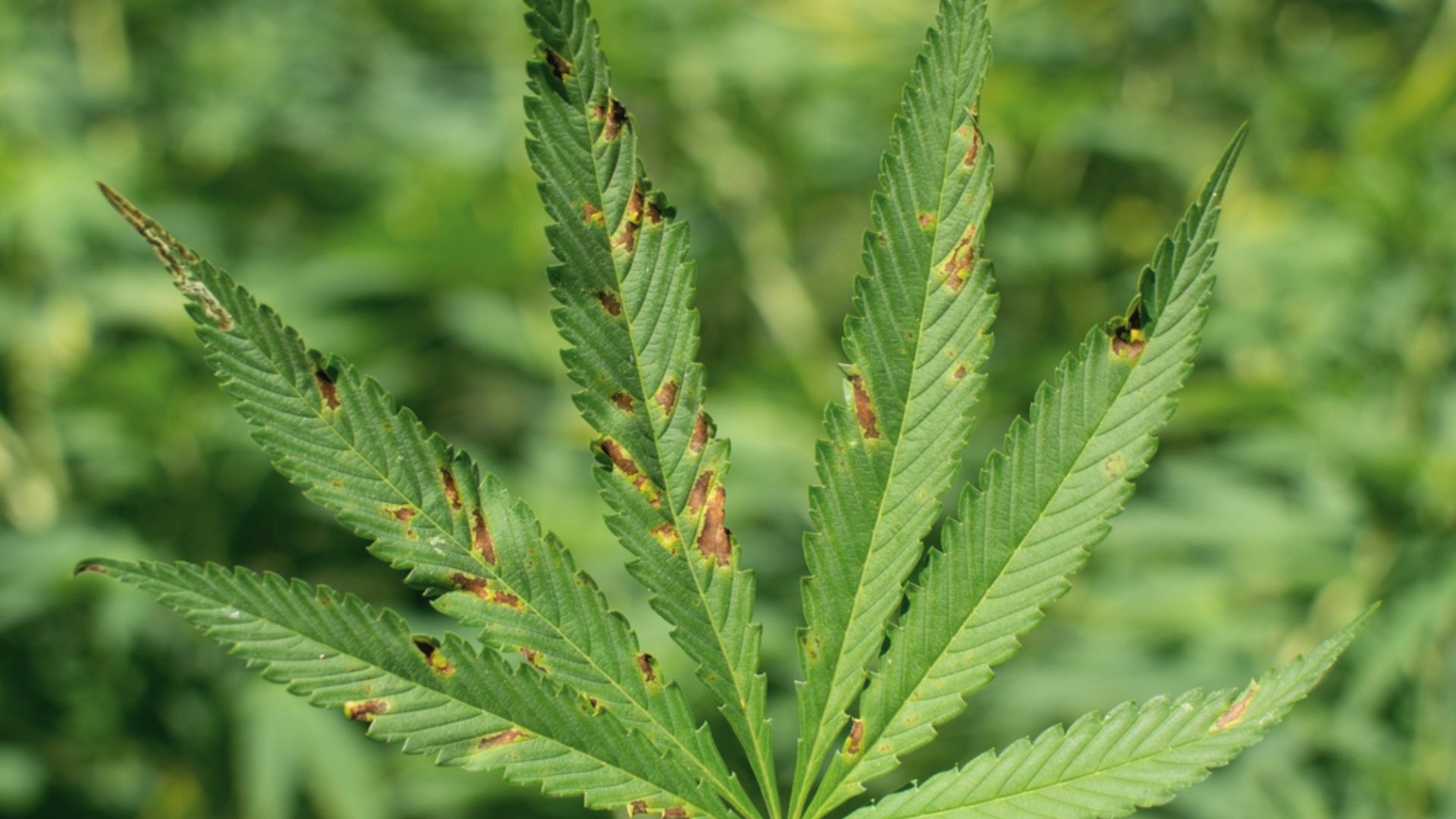
Brown spots show up on mid or lower leaves, and tips may look burnt or dry. Edges can curl up or down depending on the growth stage.
This usually means other nutrients are getting locked out too.
Magnesium and Potassium Lockout Symptoms
Too much calcium blocks magnesium and potassium from entering the plant.
You will see yellowing between veins and brown leaf edges. Adding more nutrients at this point only makes the salt buildup worse.
Stunted Growth and Weak Bud Development
Slow growth with short internodes can point to a calcium imbalance.
Buds may form but stay small and airy during flowering. This often means the plant never fully recovered from an earlier nutrient issue.
Signs of Calcium Toxicity During Flowering
Flowering plants show early brown pistils, small buds, and burnt leaf edges when calcium is too high.
Avoid heavy flushing at this stage. A lighter flush with reduced feeding is usually enough to get through harvest.
What Causes Calcium Toxicity in Cannabis Plants?
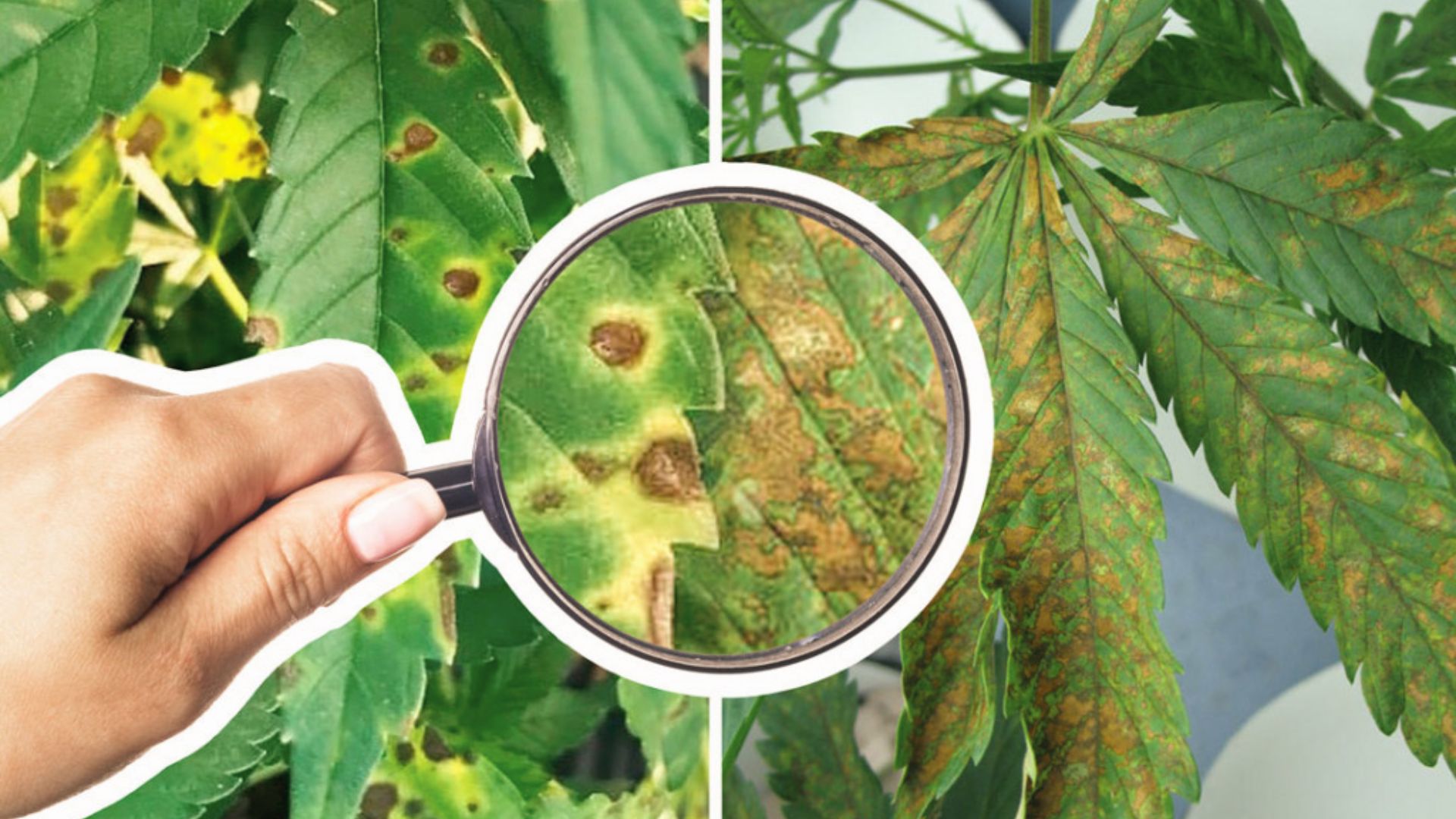
Understanding the cause helps you fix the problem properly and stop it from coming back.
Overusing Cal-Mag Supplements
Cal-mag is one of the most overused supplements in cannabis growing.
If your tap water already has calcium in it, adding full-dose cal-mag on top of base nutrients is usually too much. Always check your water report before adding more.
Hard Water With High Calcium Levels
Hard water already contains calcium and magnesium before feeding even starts.
Many growers skip testing their source water EC, which leads to accidental overfeeding. A basic TDS meter can tell you what’s already dissolved in your water.
Nutrient Imbalances in Coco and Hydro
Coco naturally holds calcium through cation exchange and can release it later, raising levels over time.
Hydro systems build up high EC quickly if not managed well. Regular EC and pH checks are not optional in these growing setups.
Salt Buildup in the Root Zone
Nutrients build up as salts in the growing medium over time, raising EC and causing lockout.
This is common in coco and soil when growers skip regular flushing. Runoff EC that’s much higher than your feed EC is a clear warning sign.
Incorrect pH and Calcium Lockout
pH controls which nutrients your roots can absorb. If pH drifts outside the ideal range, calcium either builds up or gets locked out.
Testing runoff pH at every watering helps you catch problems early.
How to Diagnose Calcium Toxicity Cannabis Correctly
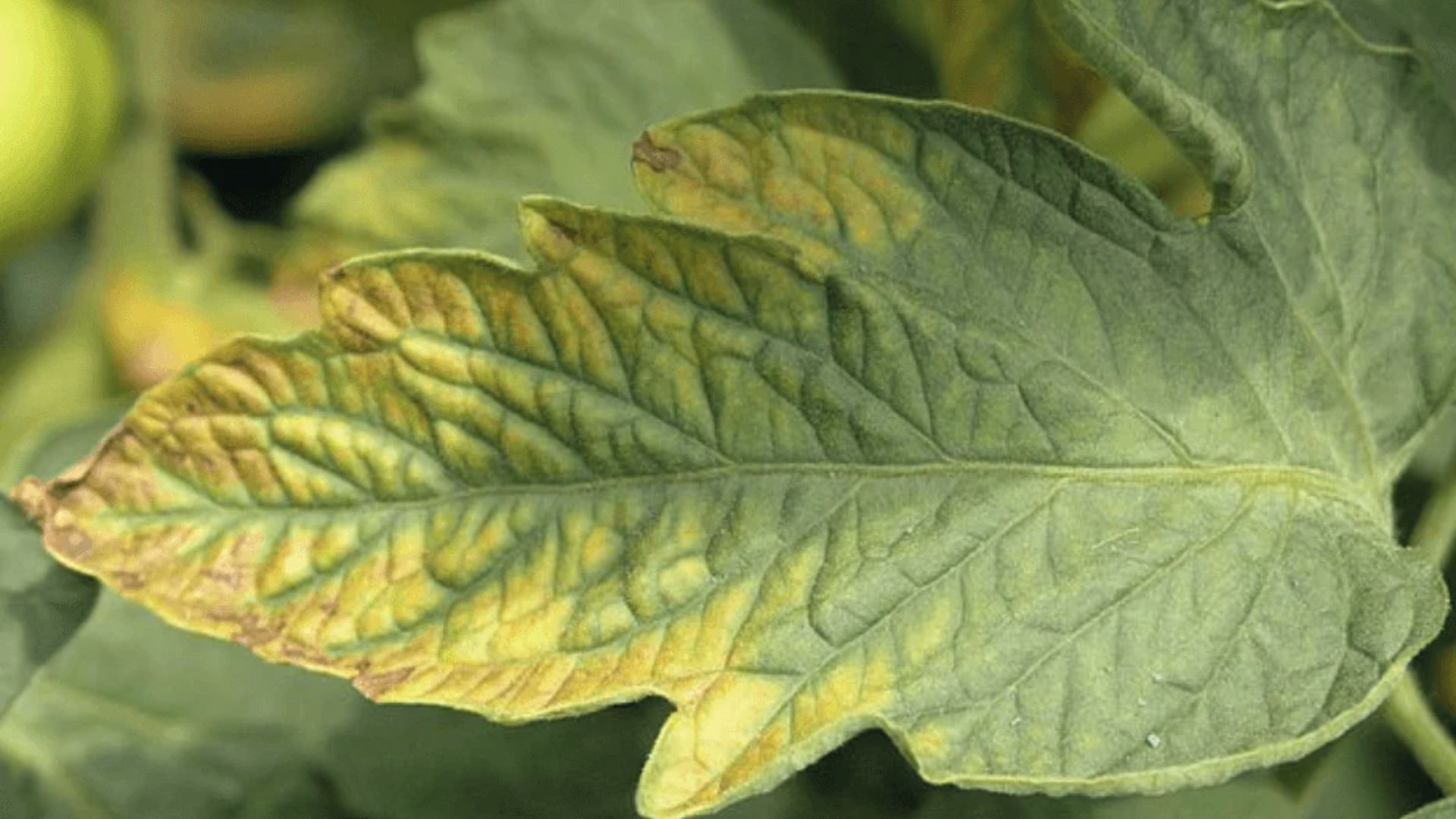
Getting the diagnosis right before you act saves time, money, and plant health.
How to Check Runoff EC and pH
Collect the first 10–20% of your runoff after watering. Measure both EC and pH. If runoff EC is significantly higher than your input EC, salts are building up.
If pH is drifting out of range, that explains any lockout symptoms.
Do this at least once a week. It gives you a clear picture of what’s actually happening at the root zone.
Calcium Toxicity vs Magnesium Deficiency
These two conditions share overlapping symptoms. Magnesium deficiency shows yellowing between veins, starting on older leaves.
Calcium toxicity often shows as dark green leaves with tip burn and clawing.
The key difference is the overall look of the plant. A magnesium-deficient plant looks light and faded. A calcium-toxic plant looks dark and stressed.
How Nutrient Lockout Mimics Other Deficiencies
Lockout can look exactly like a deficiency. That’s what makes it tricky. Adding more nutrients when you already have lockout is one of the most common mistakes growers make.
If you’re seeing deficiency symptoms but your EC is already high, stop adding more. Flush first, then rebalance.
Identifying Calcium Problems in Soil, Coco, and Hydro
Soil holds nutrients longer, so problems build slowly. Coco can show symptoms faster due to its cation exchange capacity.
Hydro systems show problems almost immediately because roots are in direct contact with the solution.
Knowing your growing medium helps you predict how fast things will change and how aggressively you need to respond.
How to Fix Calcium Toxicity in Cannabis
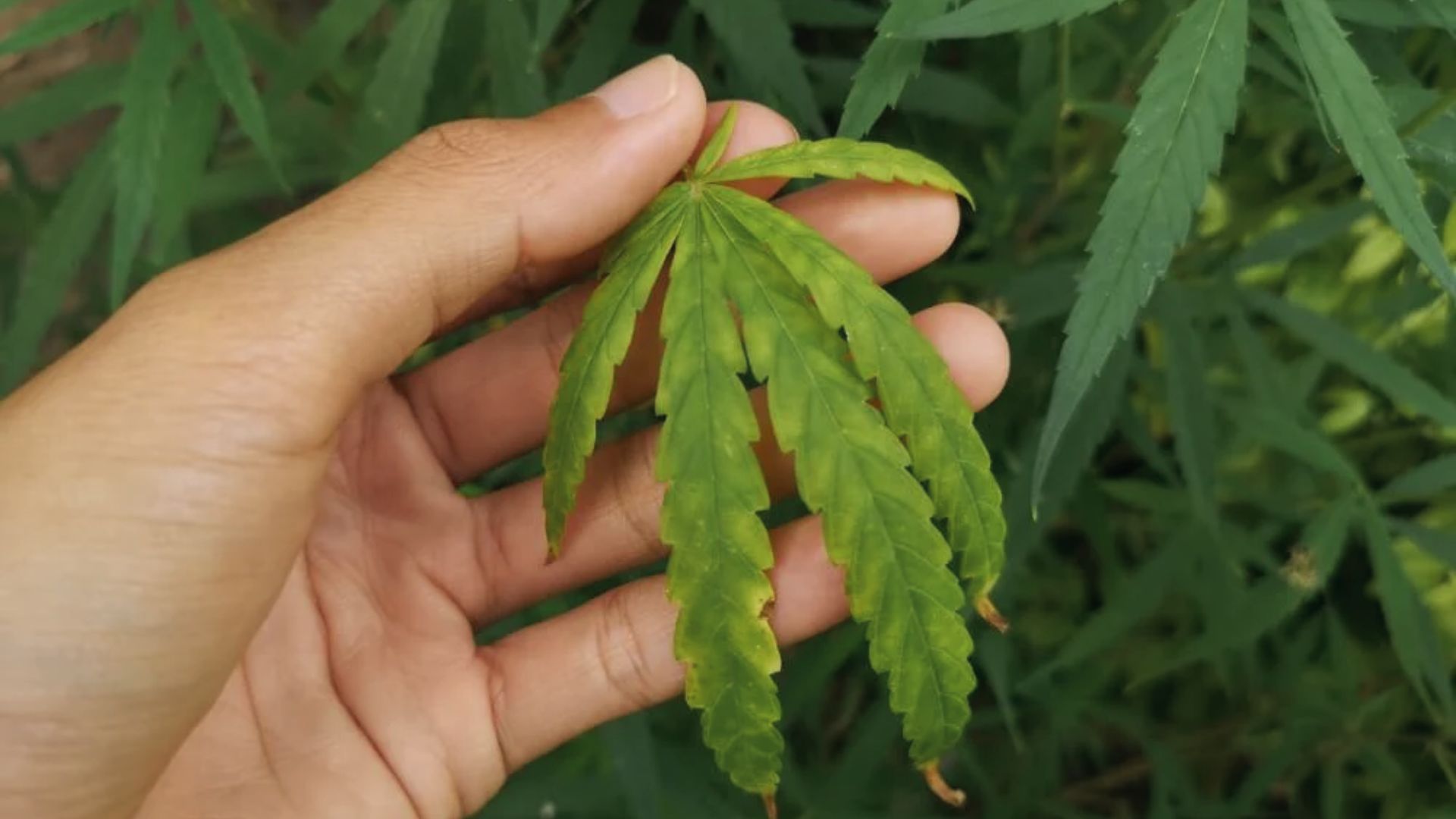
Acting quickly and calmly with the right steps will help your plants recover without added stress.
Flush the Growing Medium Properly
Use plain, pH-adjusted water to flush the medium. For soil, use two to three times the pot volume. Let the medium dry slightly before feeding again.
Reduce or Stop Excess Cal-Mag
Stop adding cal-mag for one or two feeding cycles. Let the plant work through what’s already in the medium. Reintroduce it later at a lower dose only if needed.
Rebalance Potassium and Magnesium Levels
After flushing, feed a balanced base nutrient at a reduced EC. Make sure potassium and magnesium are at correct levels. Avoid adding extra supplements without a confirmed deficiency.
Improve Water Quality and Feeding Schedule
If hard water is part of the problem, mix it with RO water for better control. Review how often you’re feeding and make sure the medium dries slightly between waterings.
Restoring Healthy Growth After Toxicity
Recovery takes time, so watch new growth as your main sign of progress. Damaged leaves won’t heal, but don’t remove them all at once. Let the plant focus energy on new, healthy growth.
Tips to Prevent Calcium Toxicity Cannabis Problems
Small, consistent habits prevent most calcium issues before they start.
- Keep soil pH between 6.2 and 6.5 for proper calcium absorption
- In coco and hydro, maintain pH between 5.8 and 6.2 for tighter control
- Always start new nutrients at half dose and increase slowly based on plant response
- Check runoff EC weekly and skip a feed if levels are already high
- Use cal-mag with RO water starting at 1–2 ml per liter, adjusting as needed
Conclusion
Calcium toxicity is fixable, but only when you catch it early and act correctly. Keeping all nutrients in balance, not just calcium, is what gives plants the strength to produce healthy, heavy yields.
Test your water. Track your EC. Don’t overfeed. These three habits fix most calcium problems before they start.
I’ve dealt with this myself, and I know how stressful it feels when your plants start looking off.
But now you have the tools to handle it. Start by testing your runoff today. If this helped you, drop a comment below and share it with a grower who needs it.
Frequently Asked Questions
Can calcium toxicity kill cannabis plants?
It rarely kills plants directly, but it can cause serious nutrient lockout that weakens growth significantly. Catching and fixing it early prevents long-term damage to your crop.
How long does it take for cannabis to recover from calcium toxicity?
Recovery usually takes one to two weeks after flushing and rebalancing nutrients. New growth showing healthy color is the clearest sign that your plant is on the right track.
Should I use cal-mag with tap water?
It depends on your tap water hardness. If your tap water already has a moderate EC, adding full-dose cal-mag may cause excess calcium. Always test your source water before adding any supplements.
What is the best pH to prevent calcium problems in soil?
Keep soil pH between 6.2 and 6.5 for best calcium absorption. Staying within this range keeps calcium and other nutrients available to your roots throughout the grow.
How do I tell the difference between calcium toxicity and nitrogen toxicity?
Both can cause dark green leaves and clawing. Nitrogen toxicity usually affects the whole plant more evenly. Calcium toxicity often comes with tip burn, brown spots, and signs of other nutrient lockout.